

Style Editorial Team
Style Editorial Team is the collective byline for our editorial team and contributor network. Articles published under this byline or an editorial pen name are researched, written, and reviewed according to our editorial standards for clarity, consistency, and independence before publication.
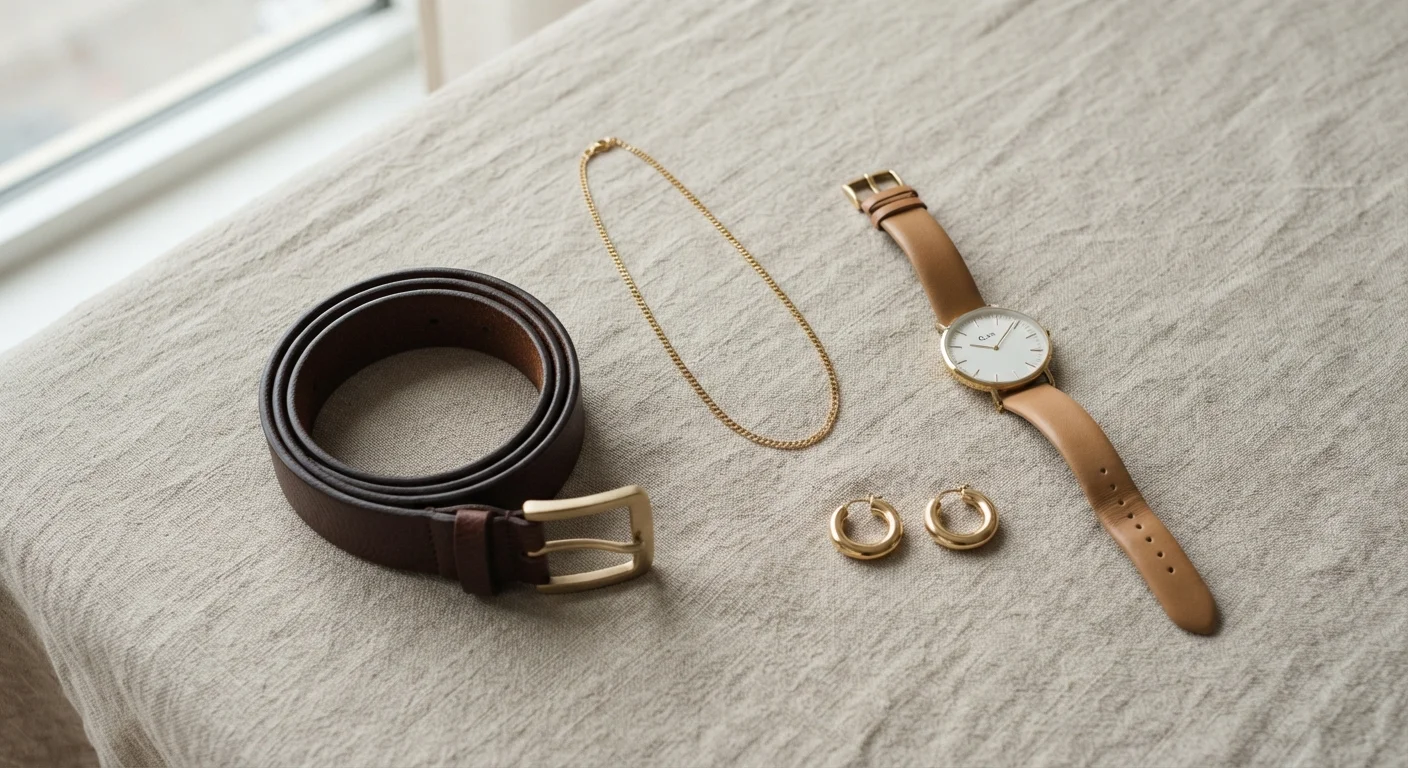
Accessories as a Style Tool: What They Add (and When They Clutter)
Accessories can pull an outfit together or overwhelm it. A balanced look at how accessories function, what they contribute, and when to hold back.

Building an Everyday Wardrobe from Scratch
A comprehensive starting point for anyone assembling a functional, versatile wardrobe—covering foundations, fit, color, and how pieces relate to each other.
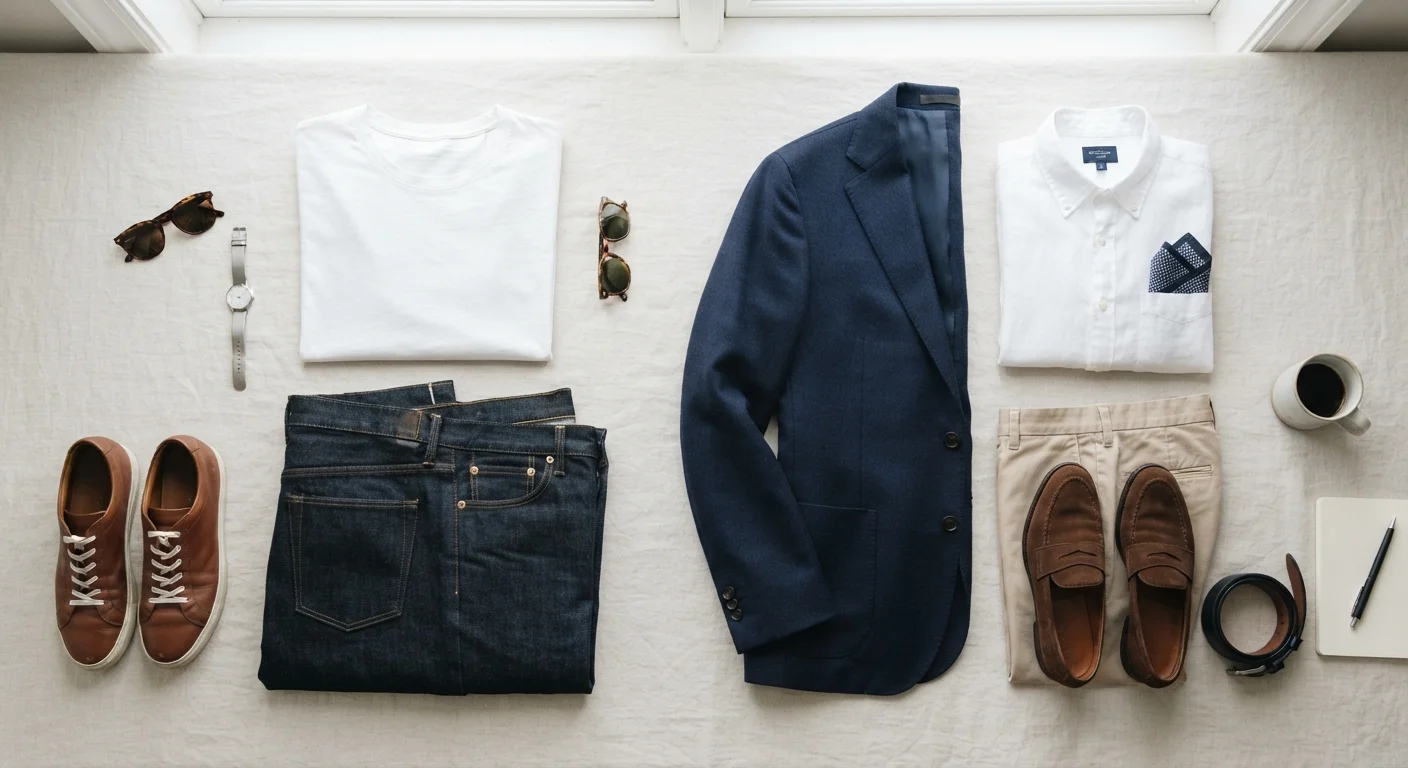
Casual vs. Smart-Casual: Where the Line Actually Falls
Two of the most commonly misread dress codes compared side by side, with clear examples of what each one typically calls for in real settings.
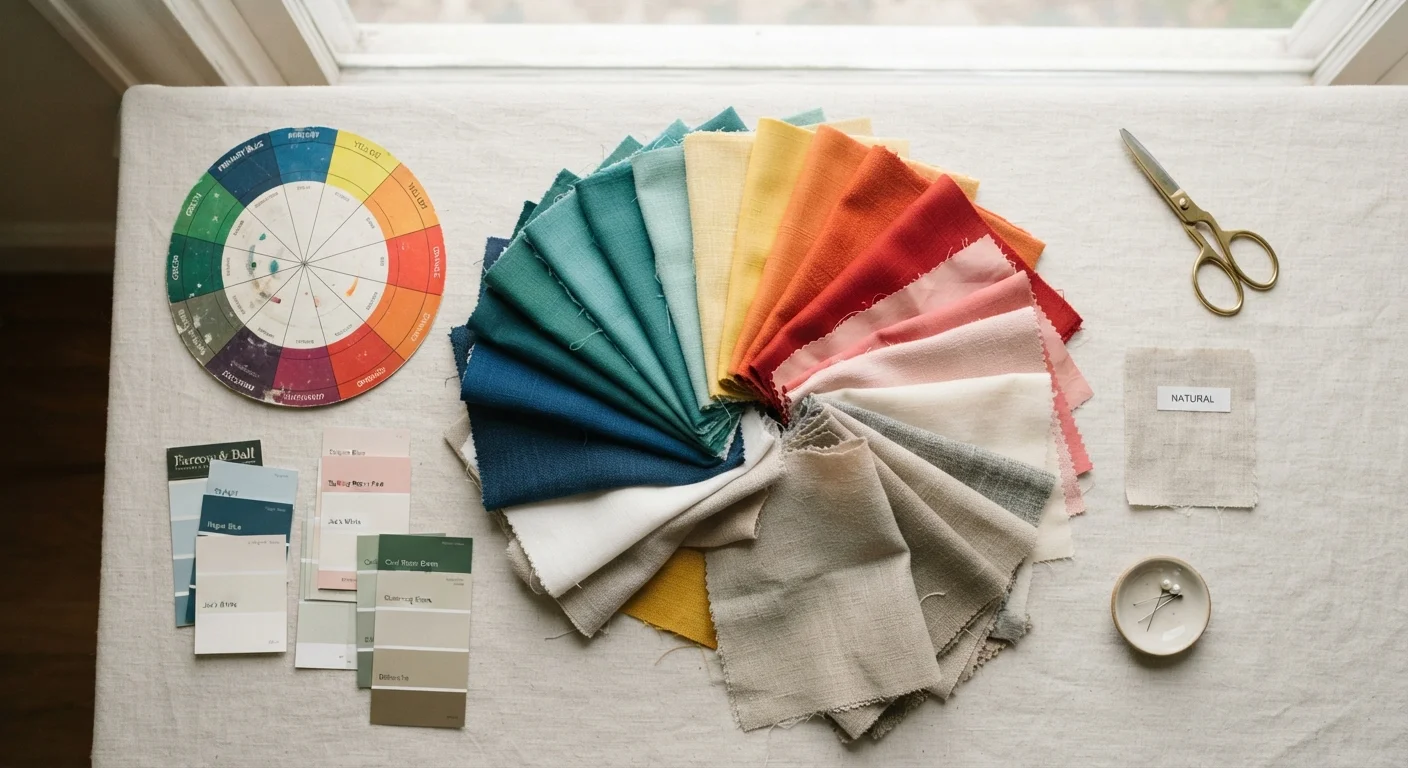
Color Confidence: Understanding Undertones, Palettes, and Why Some Colors 'Click'
Learn why certain colors look vibrant on you while others fall flat—and how warm, cool, and neutral undertones shape the colors that work best.
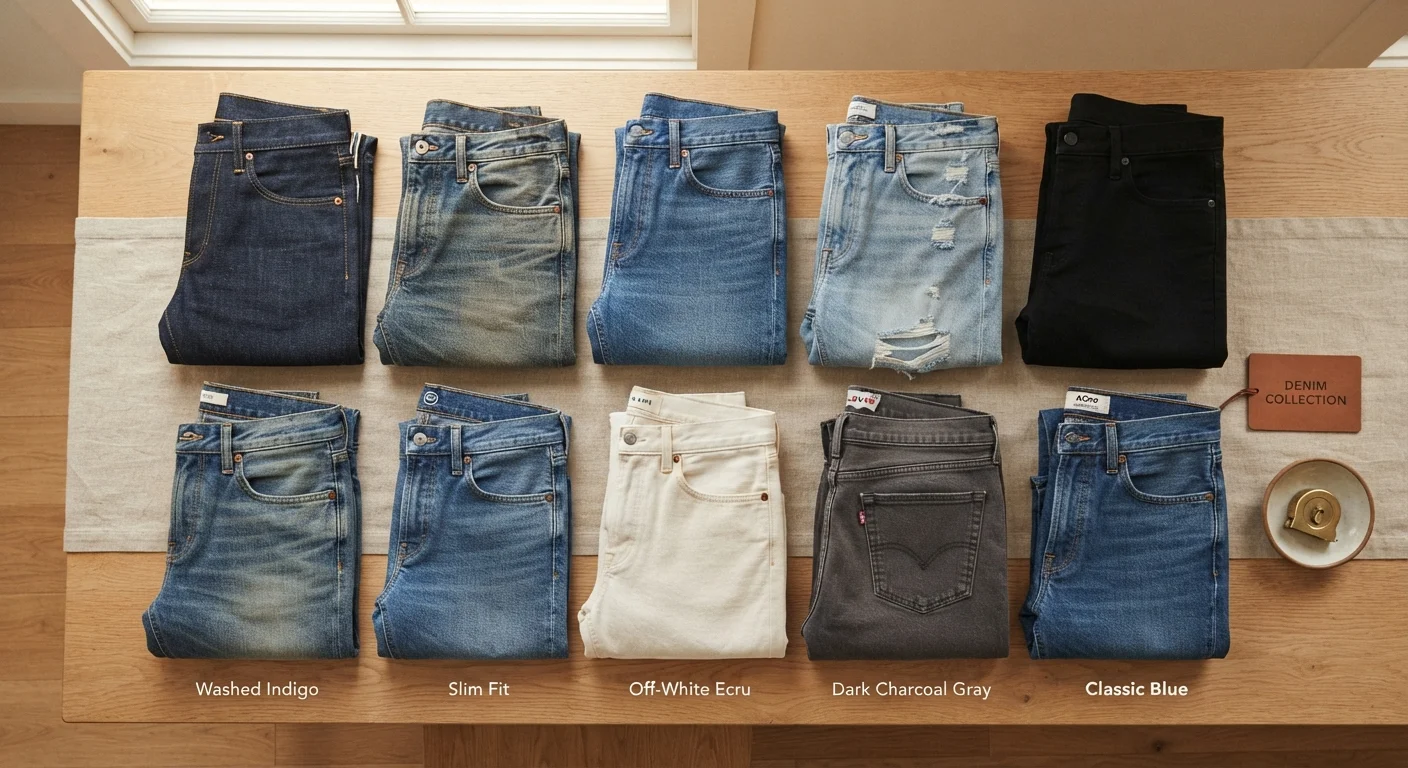
Denim Fits Decoded: Rise, Cut, and Leg Opening Explained
High-rise, wide-leg, slim, tapered—denim terminology can be confusing. Here's what each term describes and how different fits behave on the body.

Dressing for Your Body Shape: Fashion Advice Worth Keeping and Worth Ignoring
Body-shape dressing rules are everywhere—but how many actually hold up? Separating genuinely useful guidance from outdated prescriptions.

Fabric Glossary: What Every Clothing Label Is Actually Telling You
From modal to merino to modal blends, a plain-language guide to the fabrics you'll find on clothing labels and what they mean for comfort and care.

Getting Dressed When Nothing Feels Right: Building Outfits from What You Already Own
Before reaching for anything new, learn how to unlock the combinations hiding in your current closet with a few practical styling strategies.

Layering Clothing Effectively Across Different Seasons
Layering is about more than warmth—it shapes proportion, versatility, and polish. Here's how to approach it thoughtfully through the year.
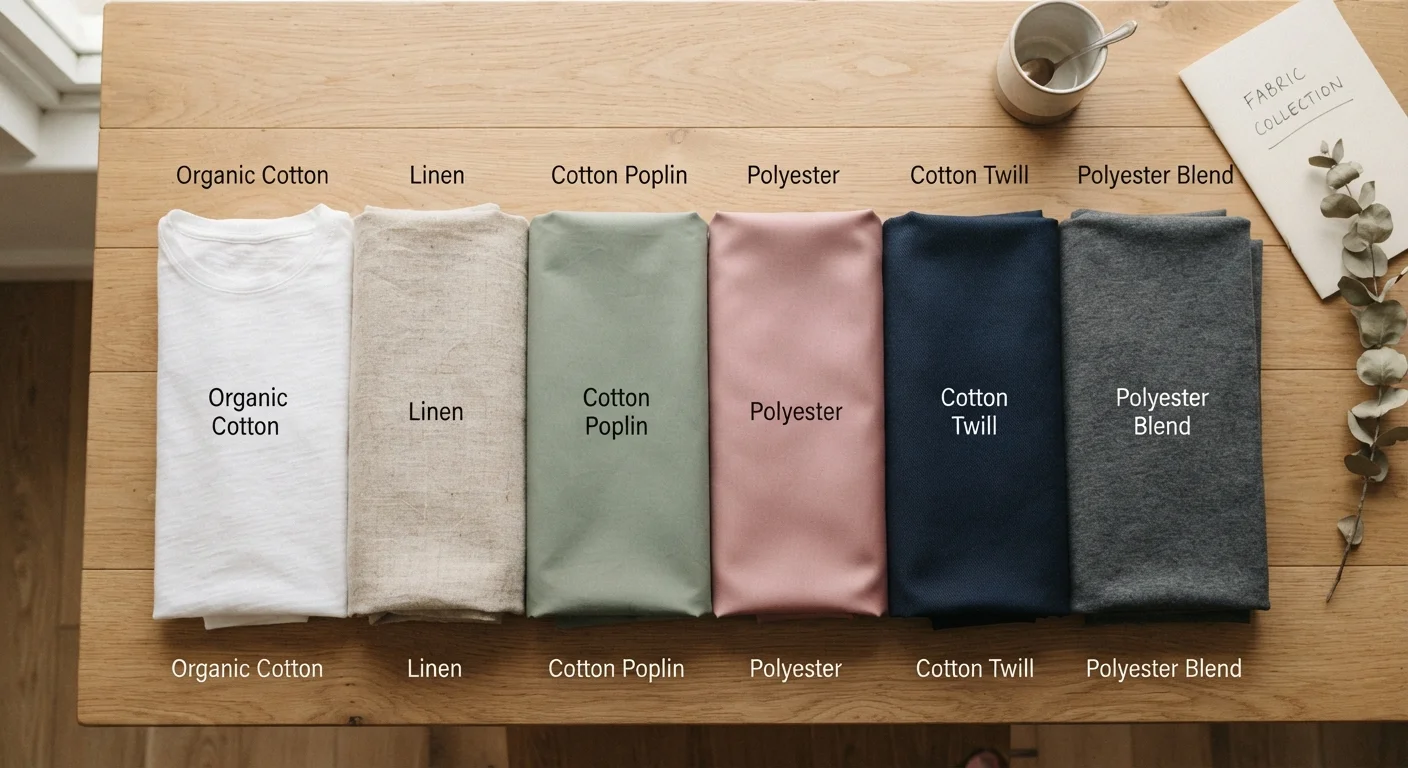
Natural Fibers vs. Synthetics in Everyday Clothing
Cotton, linen, polyester, nylon—how do natural and synthetic fabrics actually compare for comfort, durability, and everyday wear?
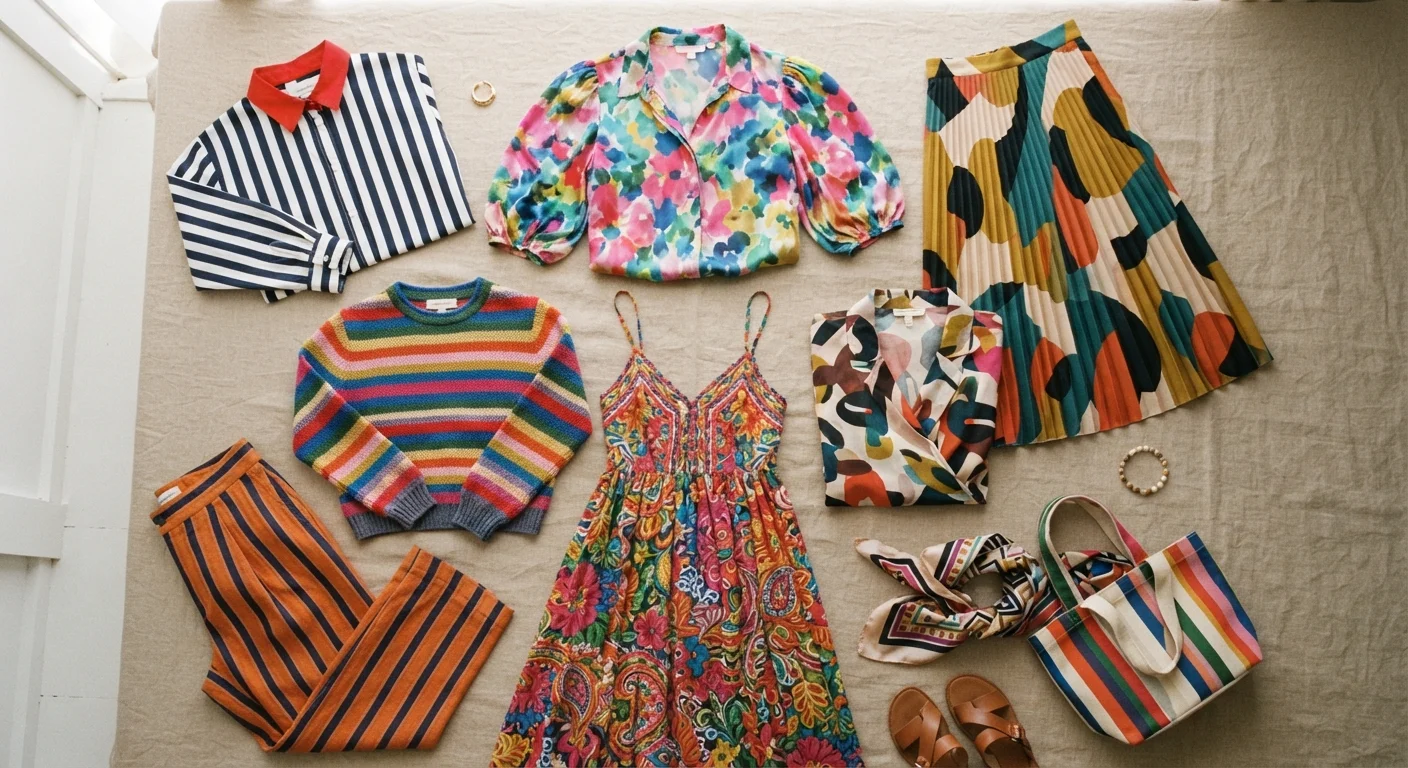
Pattern Mixing: The Informal Rules That Actually Guide It
Mixing prints and patterns looks effortless on some people and chaotic on others. Here's the logic behind what tends to work and why.
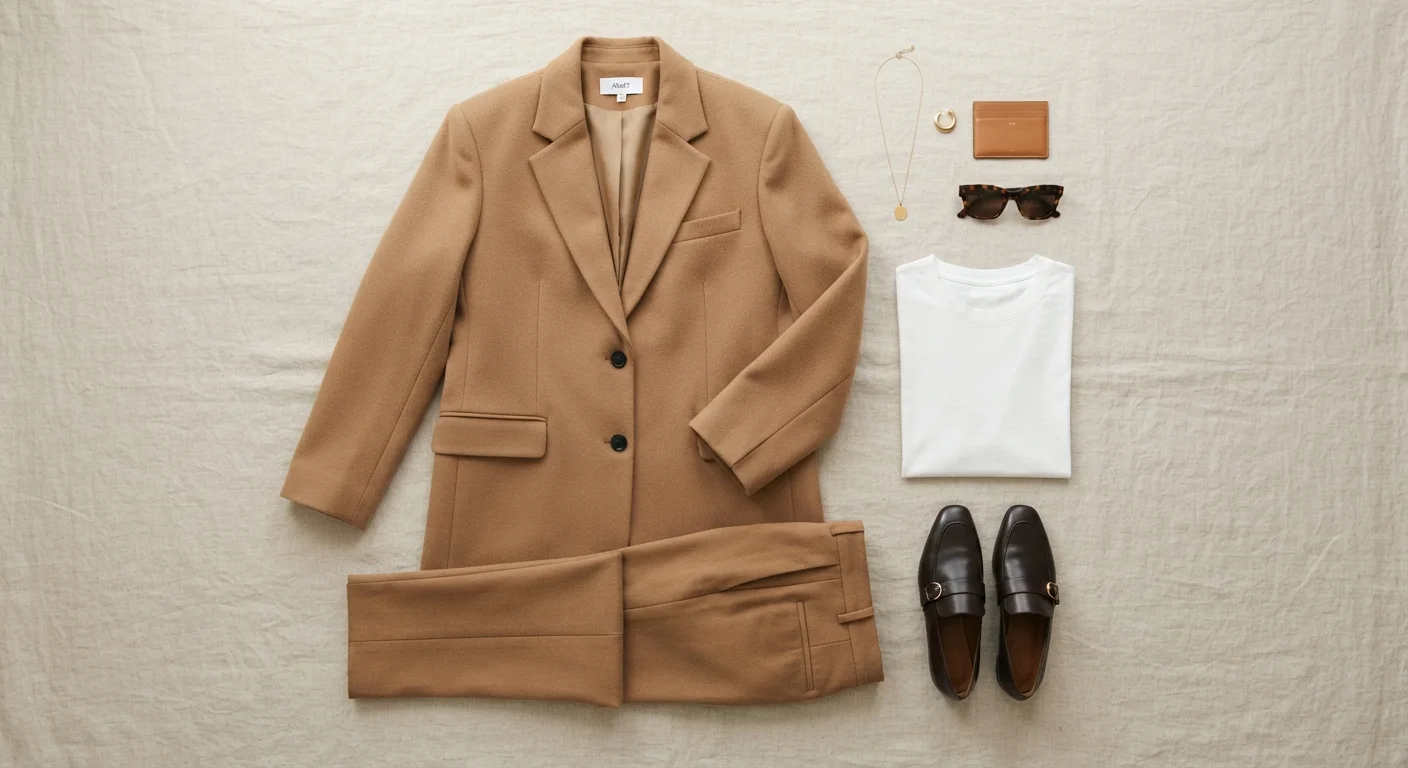
Proportion in Outfit Building: The Principle That Makes Clothes Look Intentional
Understanding proportion—how volumes, lengths, and silhouettes interact—is the single concept that most changes how everyday outfits read.

The Capsule Wardrobe: What It Actually Means and Whether It Works
Capsule wardrobes promise simplicity, but what do they really involve? A clear-eyed look at the concept, its origins, and how it plays out in real life.

Wardrobe Audit: Reviewing What You Own So You Actually Wear It
A structured checklist for going through your closet, identifying what works, what doesn't, and where the gaps are before you add anything new.

Wardrobe Mistakes That Make Getting Dressed Harder Than It Needs to Be
From hoarding unworn pieces to chasing trends without a plan, these common wardrobe habits quietly make daily dressing more stressful.
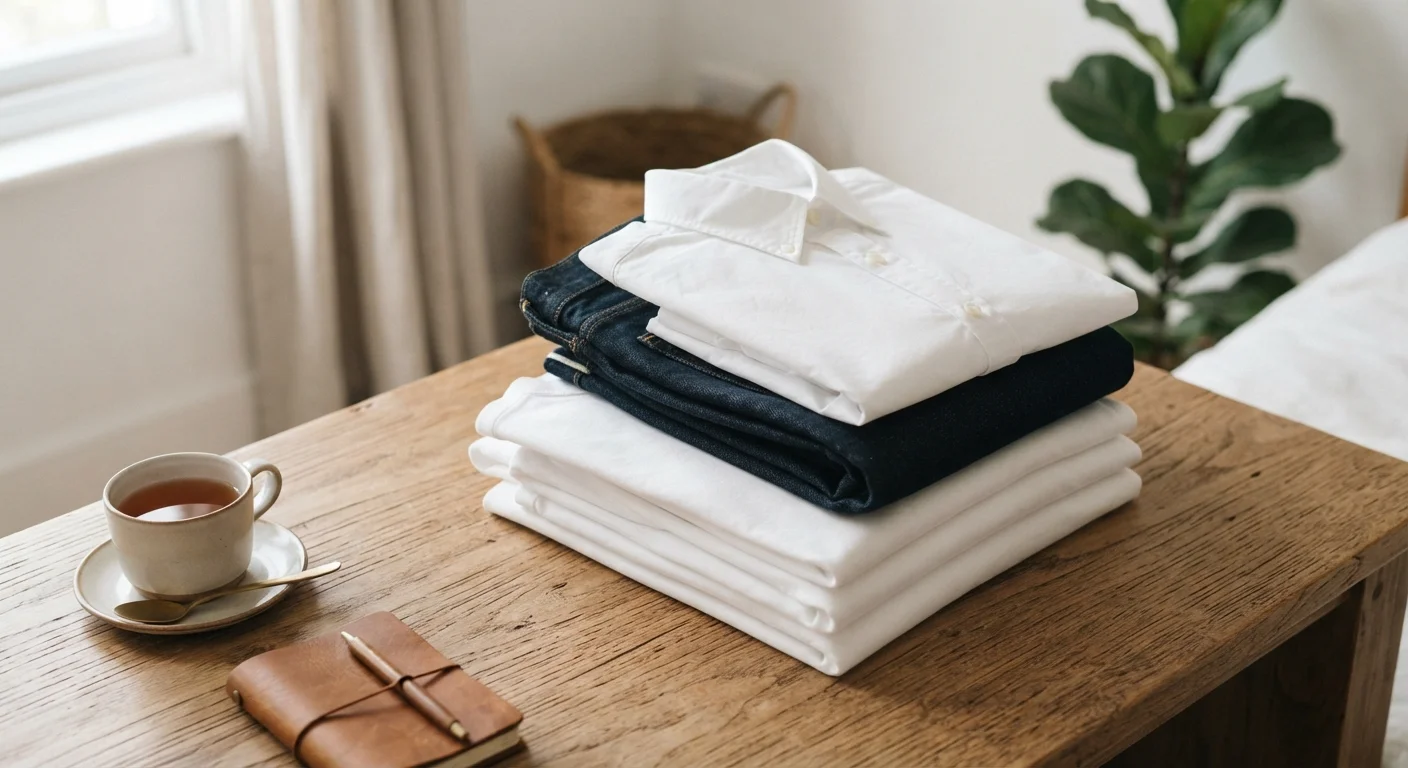
Why 'Invest in Basics' Is More Complicated Than It Sounds
The advice to buy quality basics is common, but what counts as a basic, and does spending more actually deliver? A grounded look at the idea.
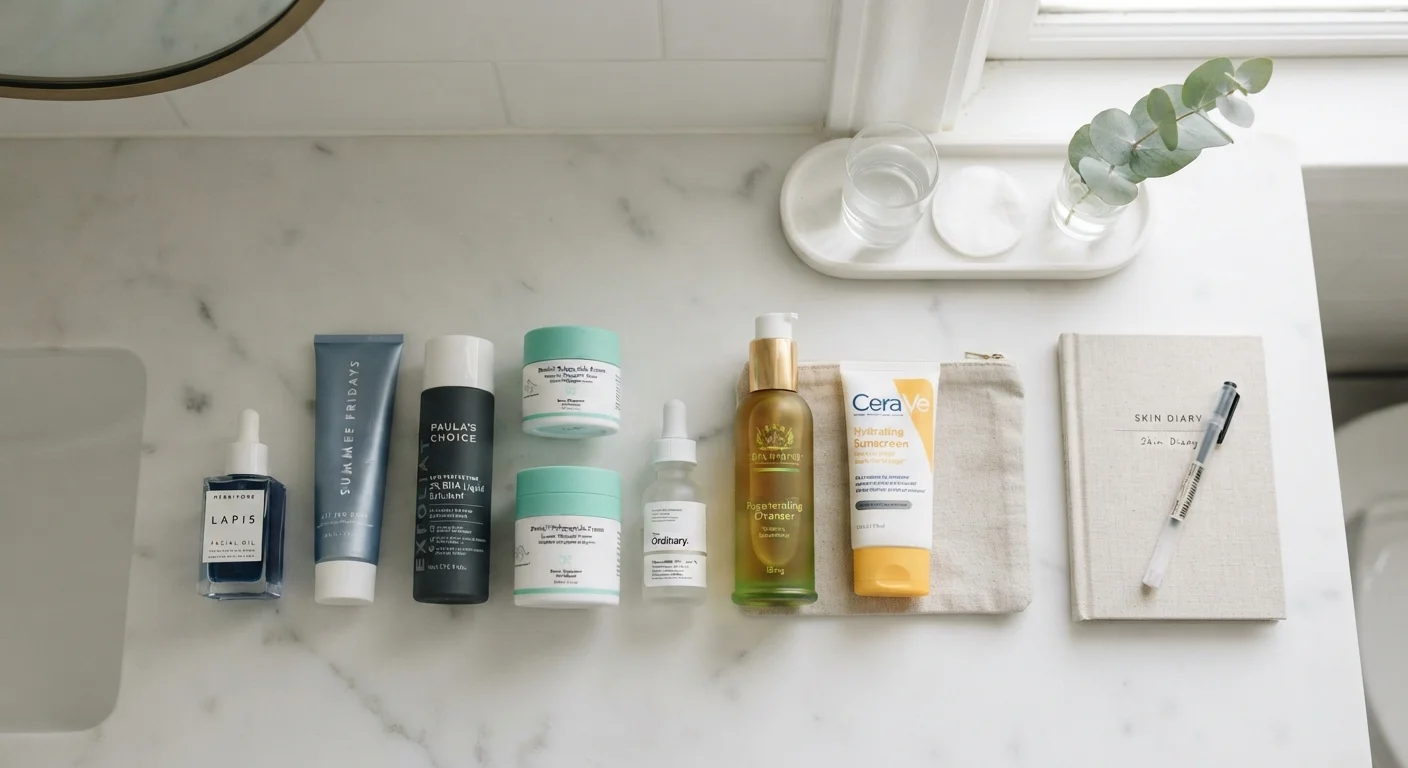
Before You Start a New Skincare Routine: A Practical Self-Audit
Patch testing, identifying sensitivities, checking expiry dates — what to assess before adding products to your skin in a new routine.
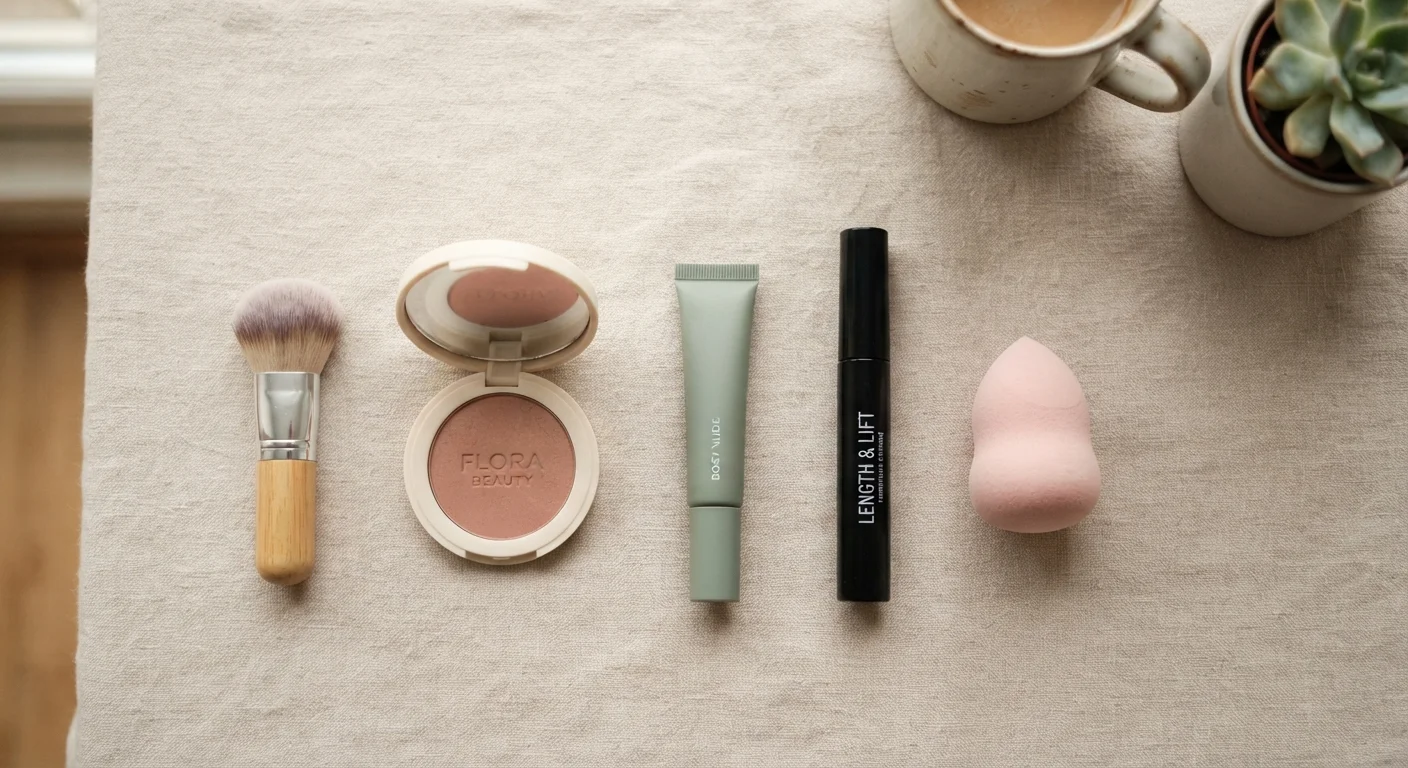
Building a Simple Makeup Kit From Scratch
No overwhelming product lists — just a clear-eyed look at what tools and products form a genuinely useful starter makeup kit.
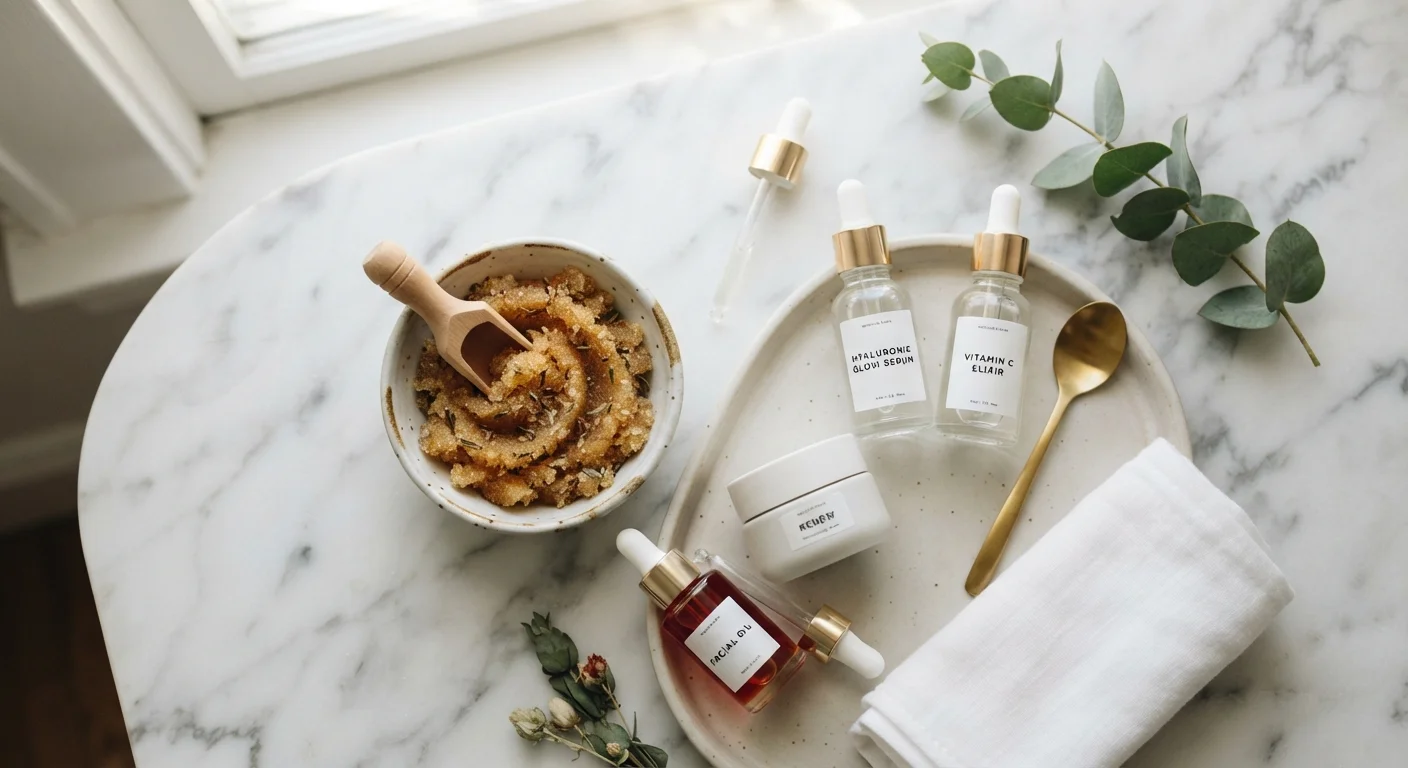
Chemical Exfoliants vs. Physical Scrubs: What's Actually Happening to Your Skin
AHAs, BHAs, and sugar scrubs all promise smoother skin — but they work very differently. Here's what sets them apart.
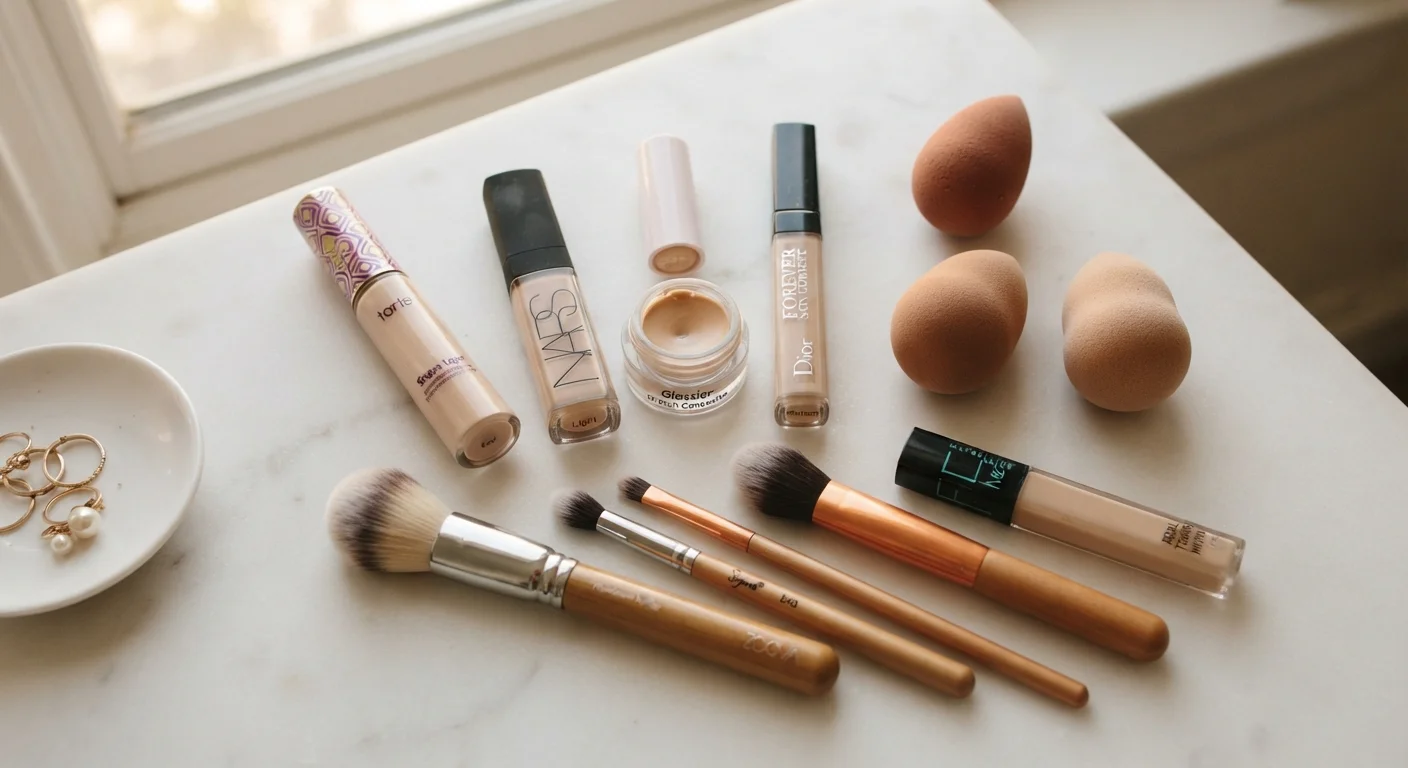
Concealer Pitfalls That Make Skin Look Worse, Not Better
From wrong undertone to over-application, small concealer errors are easy to make. Here's what goes wrong and how to correct it.
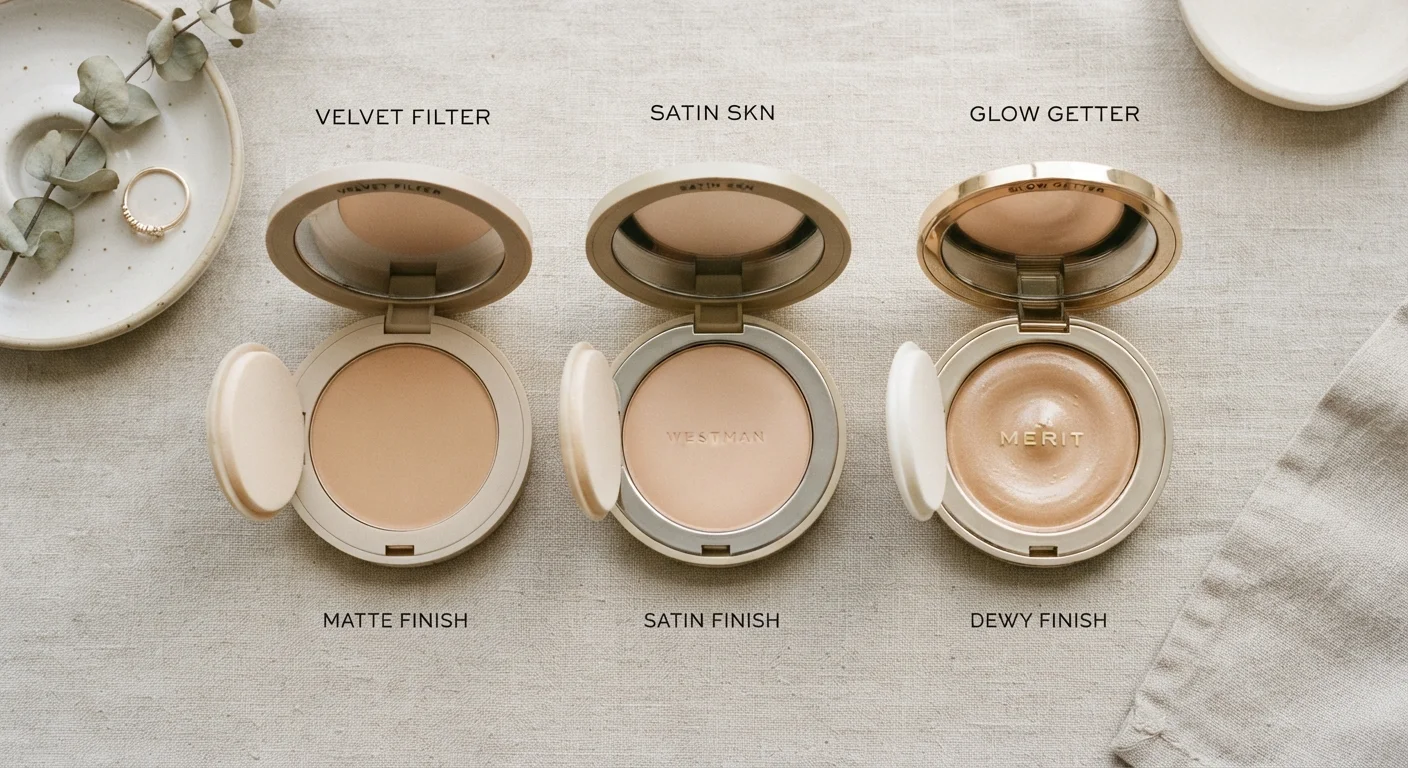
Foundation Finish Types: Matte, Dewy, Satin, and Which Suits Your Skin
The finish of a foundation affects how your skin looks all day. Here's how each type behaves and which tends to work best for different skin types.
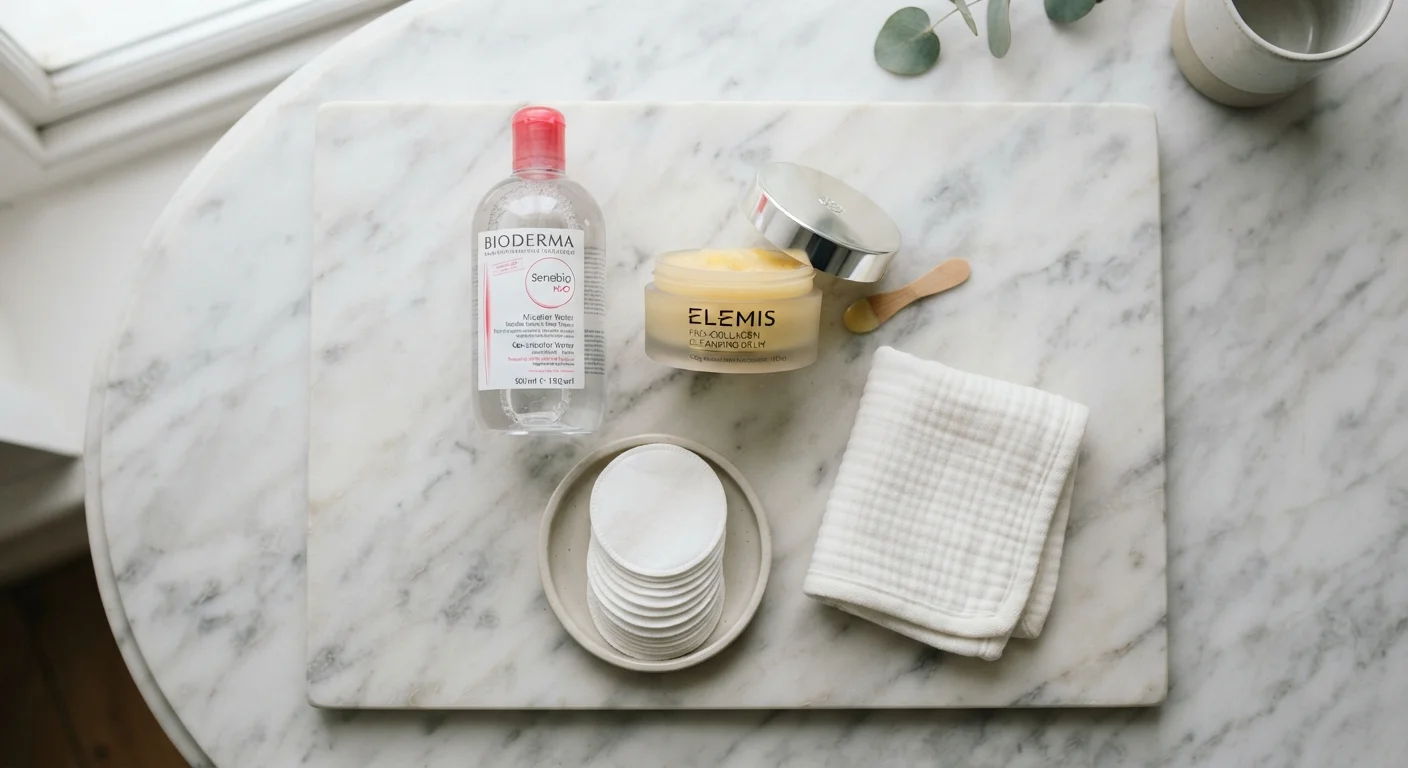
Makeup Removal Done Right: What Cleansing Actually Needs to Accomplish
Micellar water, cleansing balms, double-cleansing — understand what each method achieves and how to choose one that suits your skin and habits.
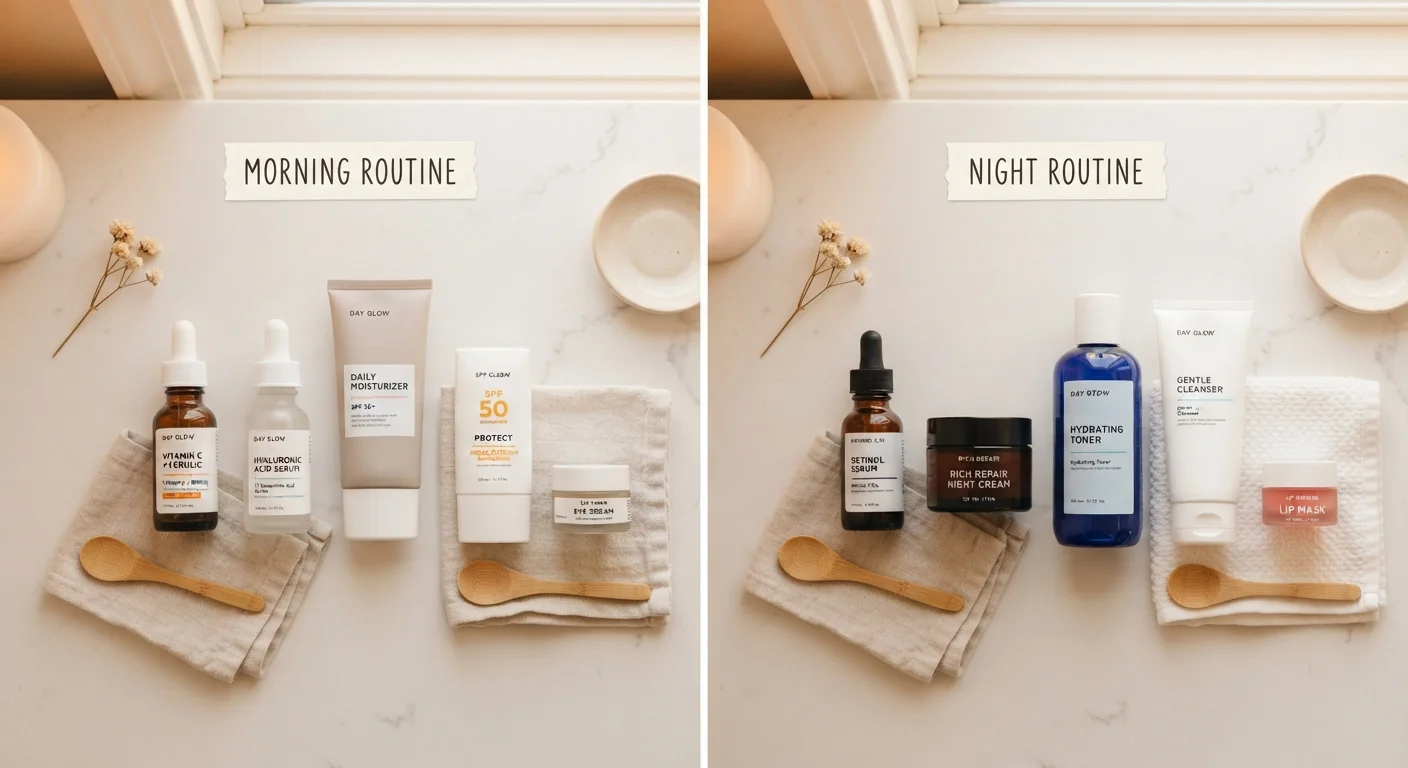
Morning vs. Night Skincare: Why the Same Products Don't Always Belong in Both Routines
Some ingredients belong only at night; others are essential by day. Here's how AM and PM routines differ — and why it matters.
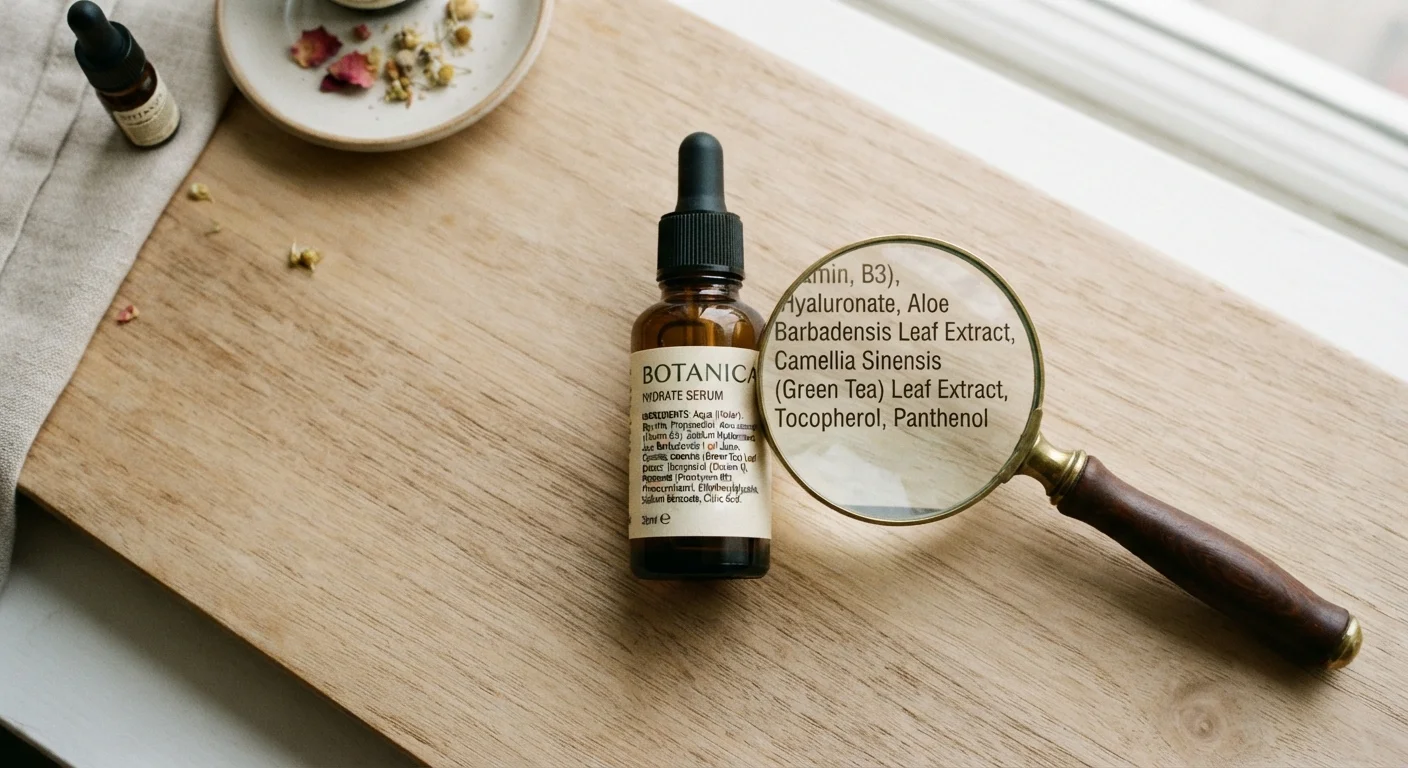
Reading a Skincare Ingredient List Without a Chemistry Degree
INCI names, fragrance disclosures, and ingredient order — learn what a product label is actually telling you and what to look past.
Retinol: What It Does, Who It's For, and Why Patience Is Non-Negotiable
Retinol is one of the most studied skincare ingredients — but it's also one of the most misused. Here's a grounded overview of how it works.
Skin Types Decoded: What Oily, Dry, Combination, and Sensitive Actually Mean
Not sure what your skin type really is? Learn what each category means and how to identify yours before building a routine.
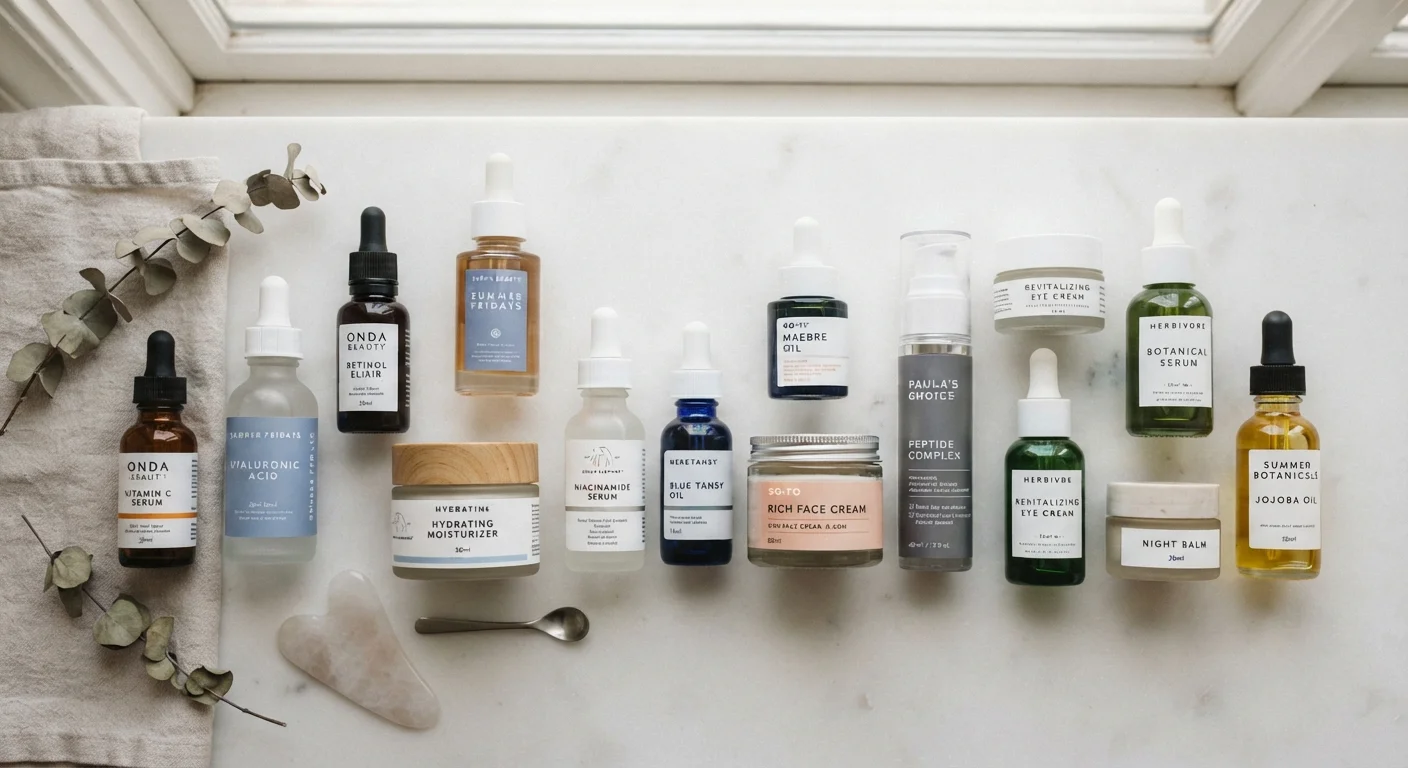
Skincare Ingredient Layering: What Pairs Well and What Doesn't
Mixing the wrong active ingredients can reduce their effectiveness or irritate skin. Here's a practical guide to common combinations to embrace or avoid.
Sunscreen Myths That Dermatologists Wish Would Disappear
From "darker skin doesn't need SPF" to "SPF in makeup is enough" — common sunscreen misconceptions set straight.
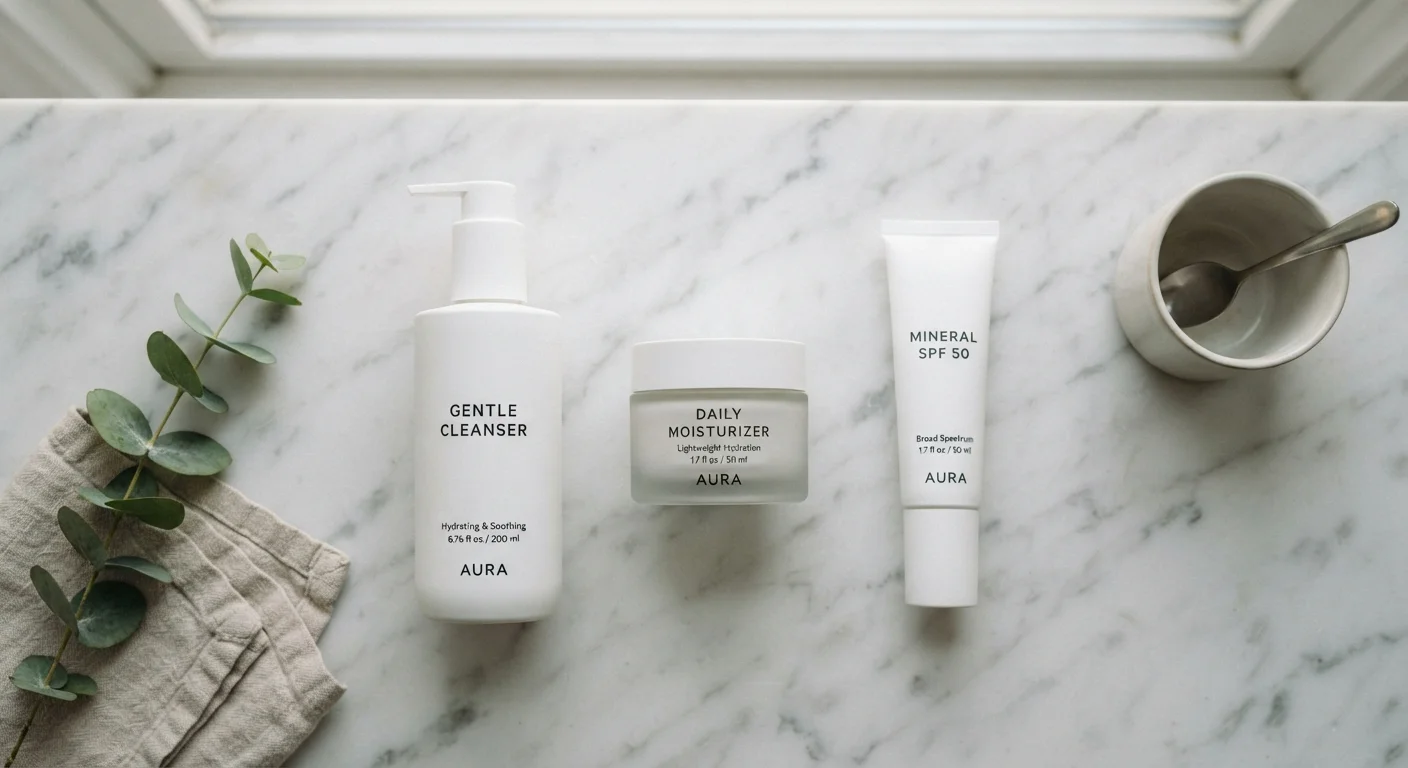
The Everyday Skincare Routine: Cleanser, Moisturizer, SPF — and Why That Order Matters
A plain-language walkthrough of a foundational skincare routine, including why layering products in the right order makes a real difference.

The Honest Trade-Offs of Skipping Sunscreen Daily
A clear-eyed look at what daily SPF protection does and doesn't do, and what the skin science says about long-term sun exposure.
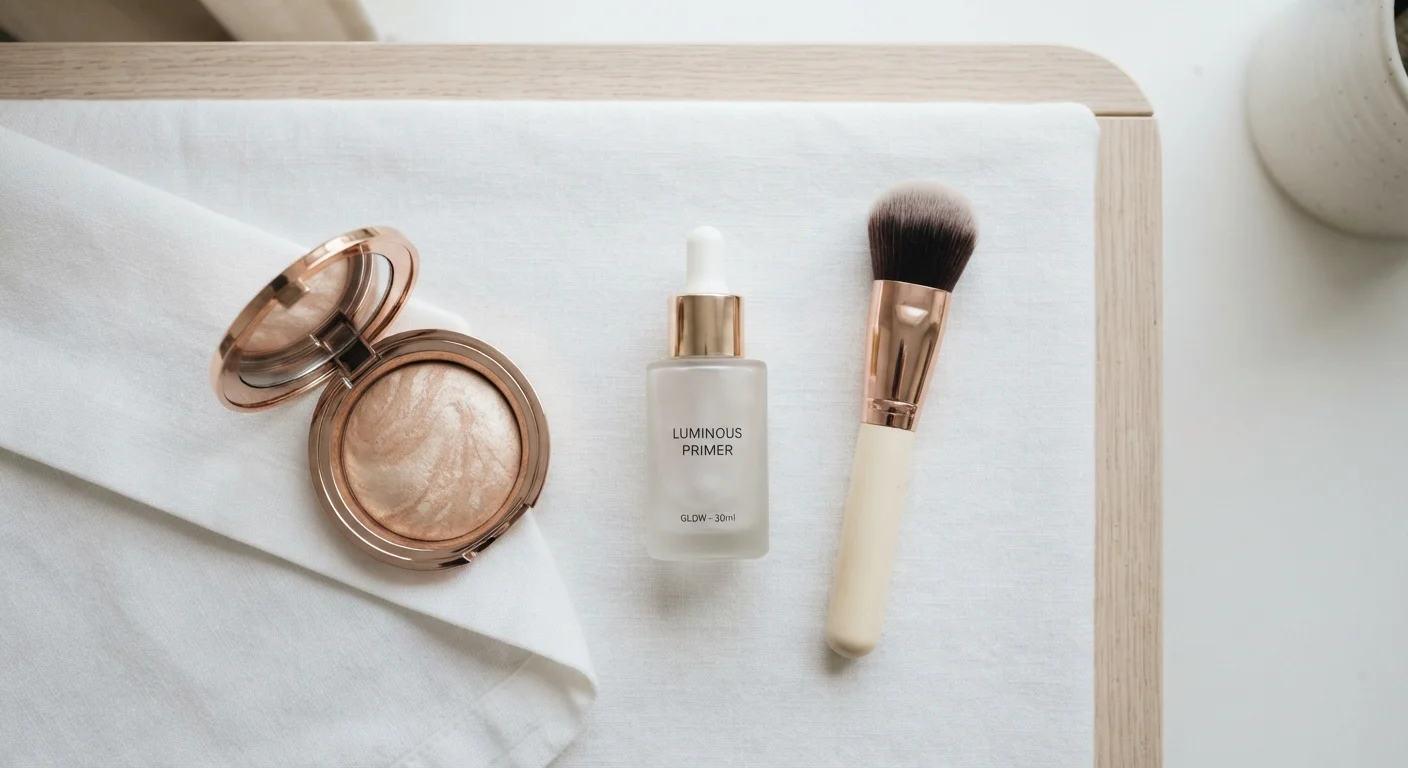
What Makeup Primers Actually Do — and When You Genuinely Need One
Primers are marketed as essential, but the truth is more nuanced. Learn what they're designed to do and whether your routine needs one.
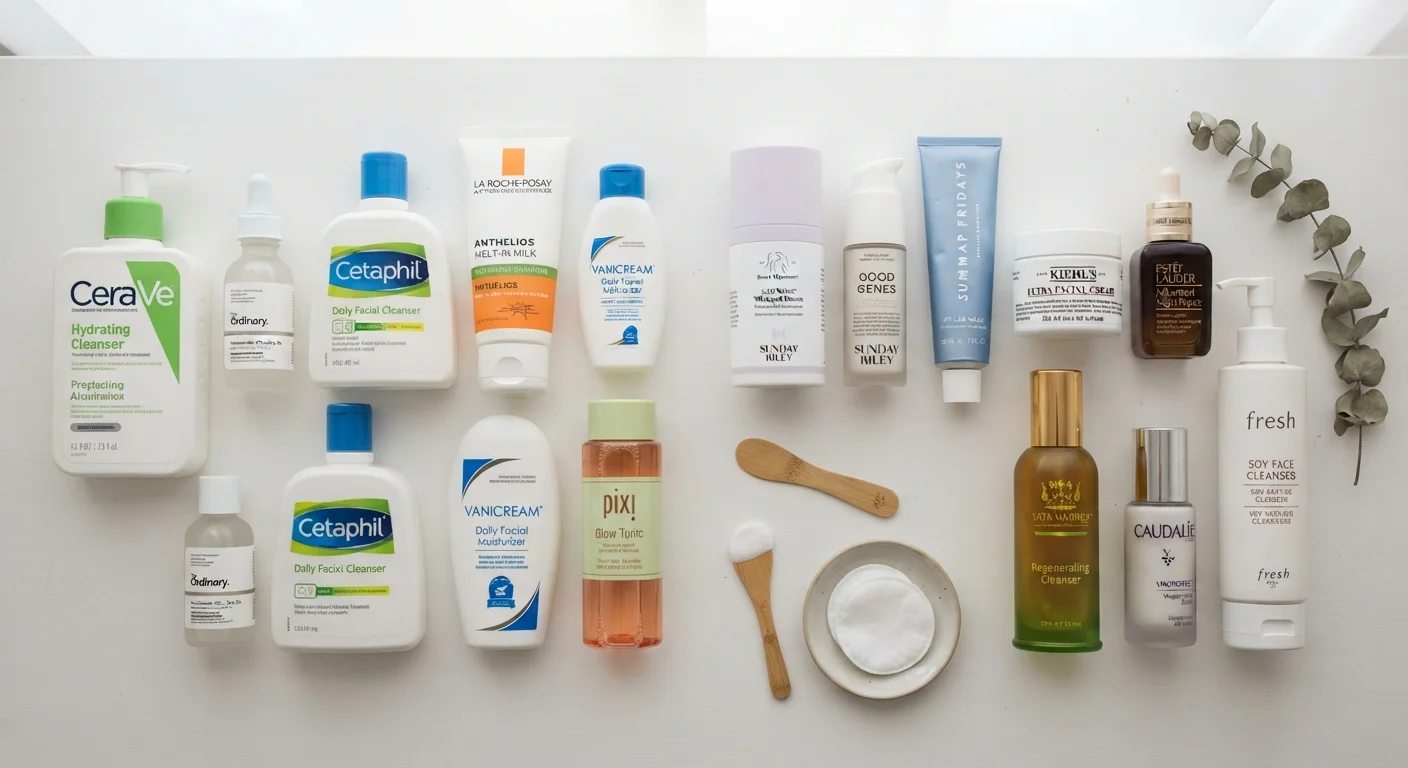
Why Drugstore and Department Store Formulas Are Closer Than You Think
Price doesn't always predict performance in skincare. Here's what actually drives formulation quality — and where the gaps are real vs. perceived.

Before Your Next Haircut: What to Assess and Communicate
Walk into any salon or barber chair prepared. This checklist covers hair goals, texture notes, lifestyle factors, and questions worth raising.
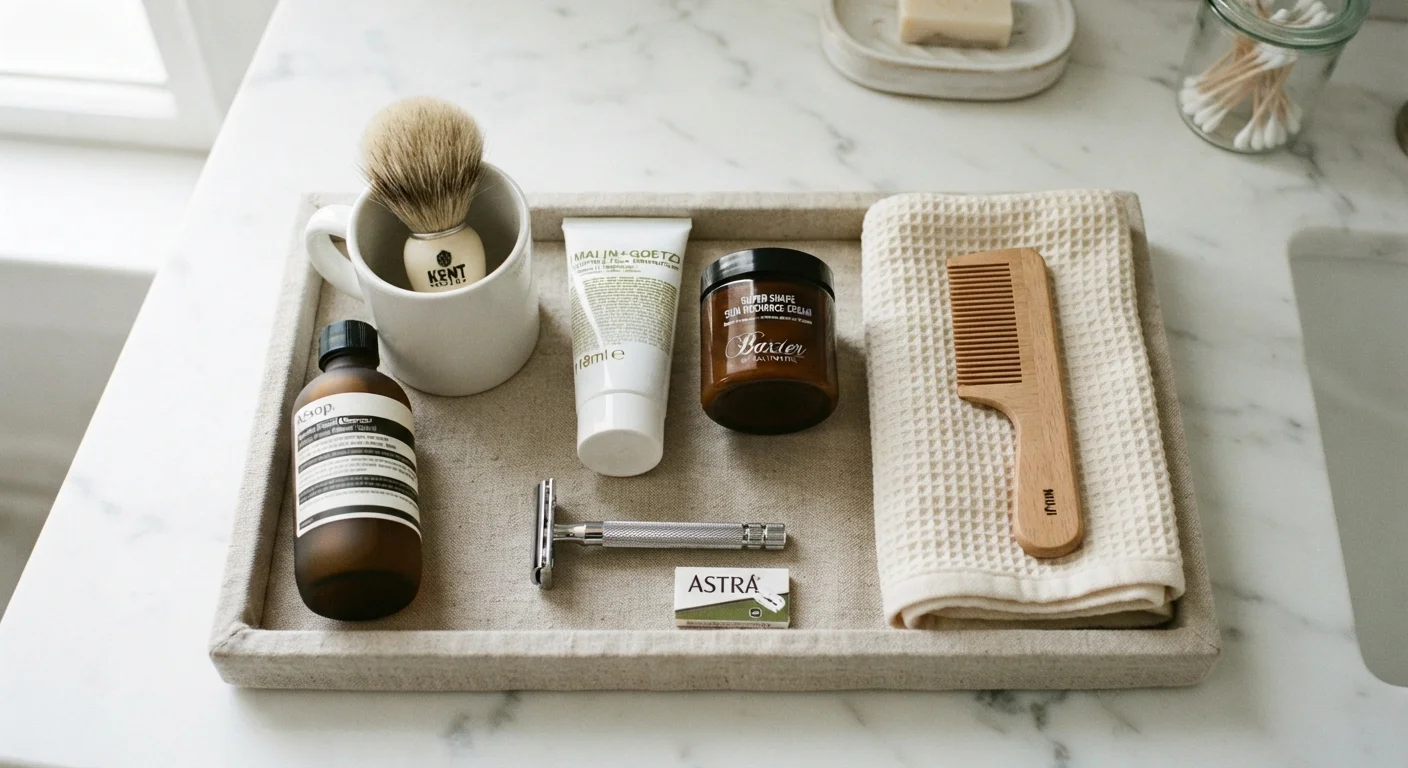
Building a Grooming Routine From Scratch
New to intentional grooming? This plain-language guide covers face care, hair basics, and hygiene essentials for anyone starting from zero.

Grooming for Textured Hair: Terminology, Tools, and Techniques
A practical reference covering curl types, shrinkage, co-washing, LOC method, and the tools commonly used in textured hair care routines.

Hair Loss in Women: Patterns, Causes, and When to See a Doctor
Female hair loss takes many forms. This overview explains common causes, what distinguishes them, and why early evaluation matters. Not medical advice.
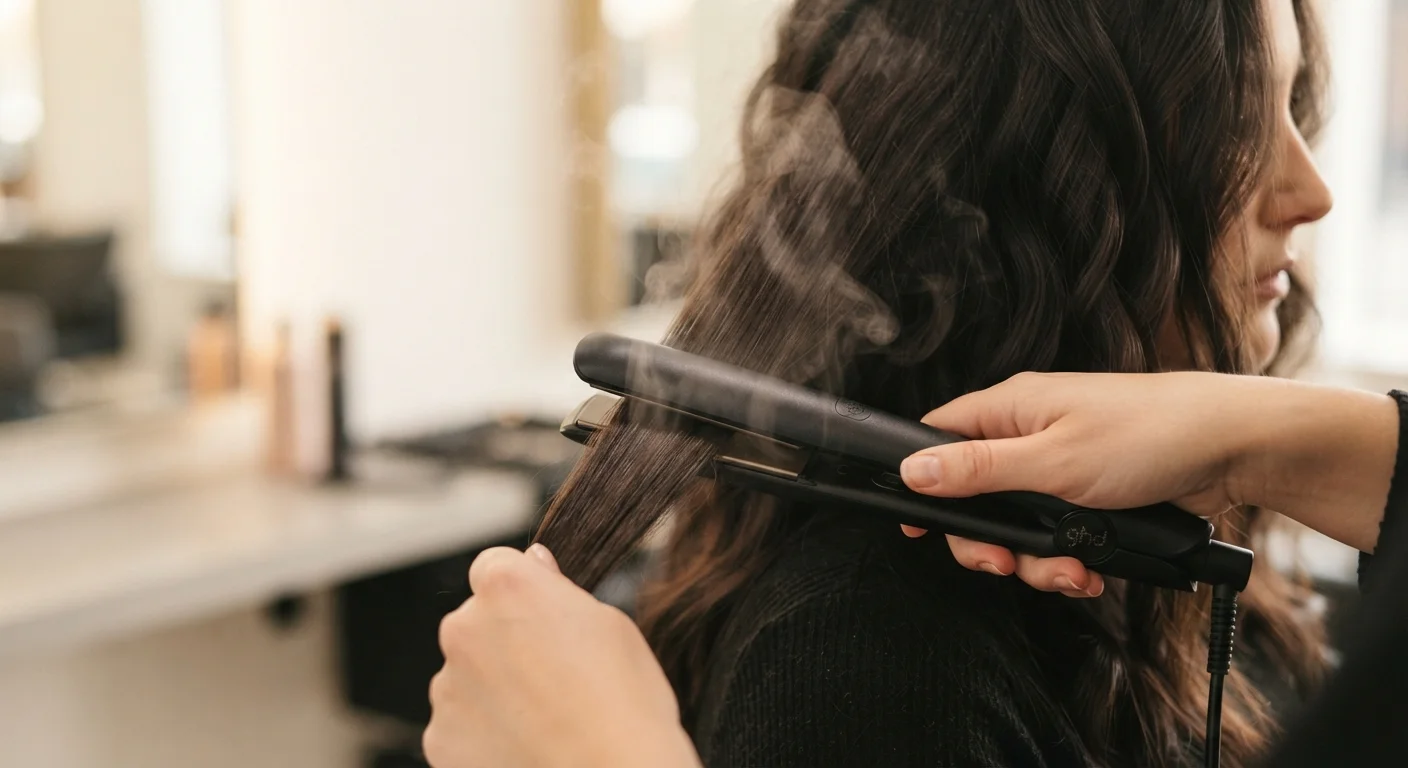
Heat Styling and Hair Damage: What the Science Actually Says
Flat irons, curling wands, and blow dryers affect hair structure in measurable ways. Here's what research shows and how to reduce the risk.

How Humidity Affects Hair — and Practical Ways to Adapt Your Routine
High humidity causes frizz; low humidity causes dryness. Learn how moisture in the air interacts with different hair types and what adjustments help.
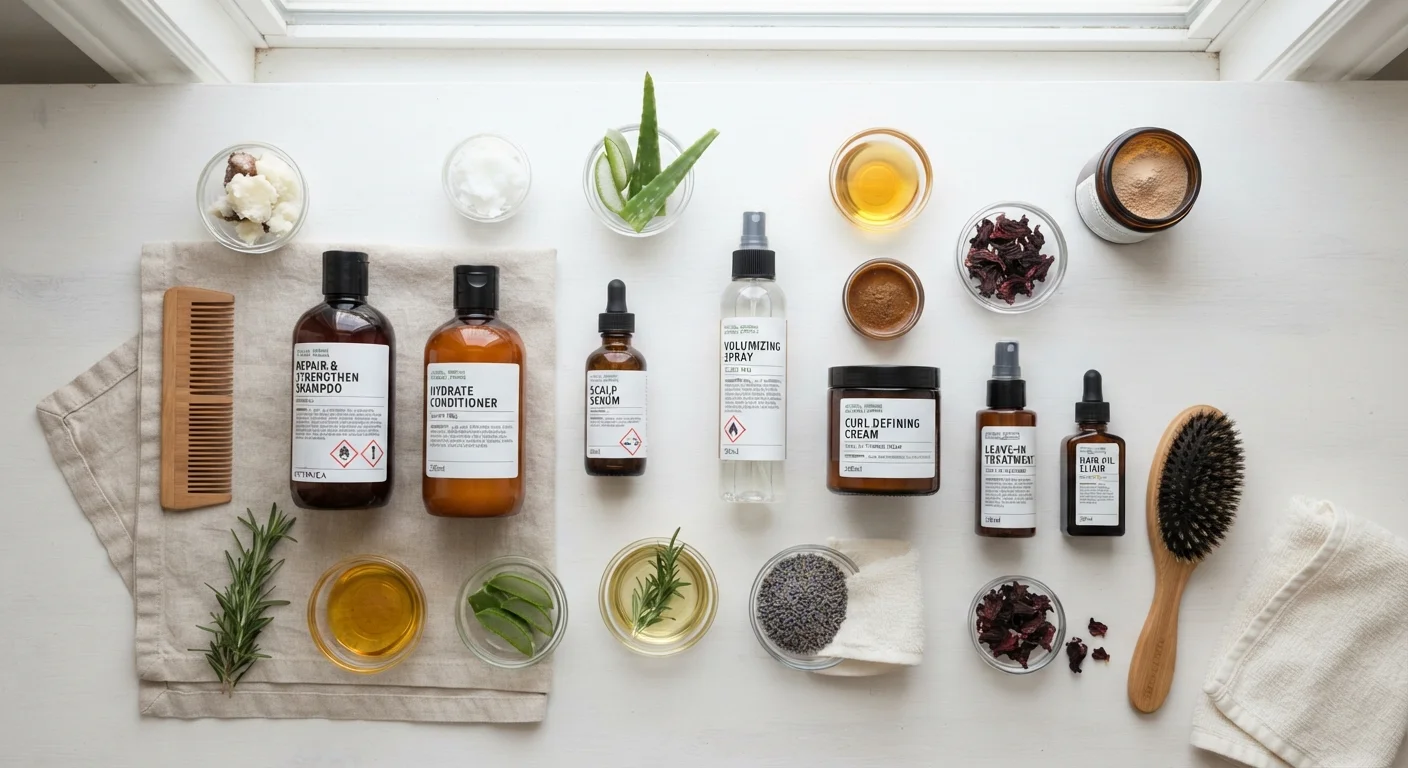
Ingredient Pairs That Work Against Each Other in Hair Care
Some commonly combined hair ingredients cancel each other out or cause buildup. Learn which pairings to avoid and why formulation order matters.
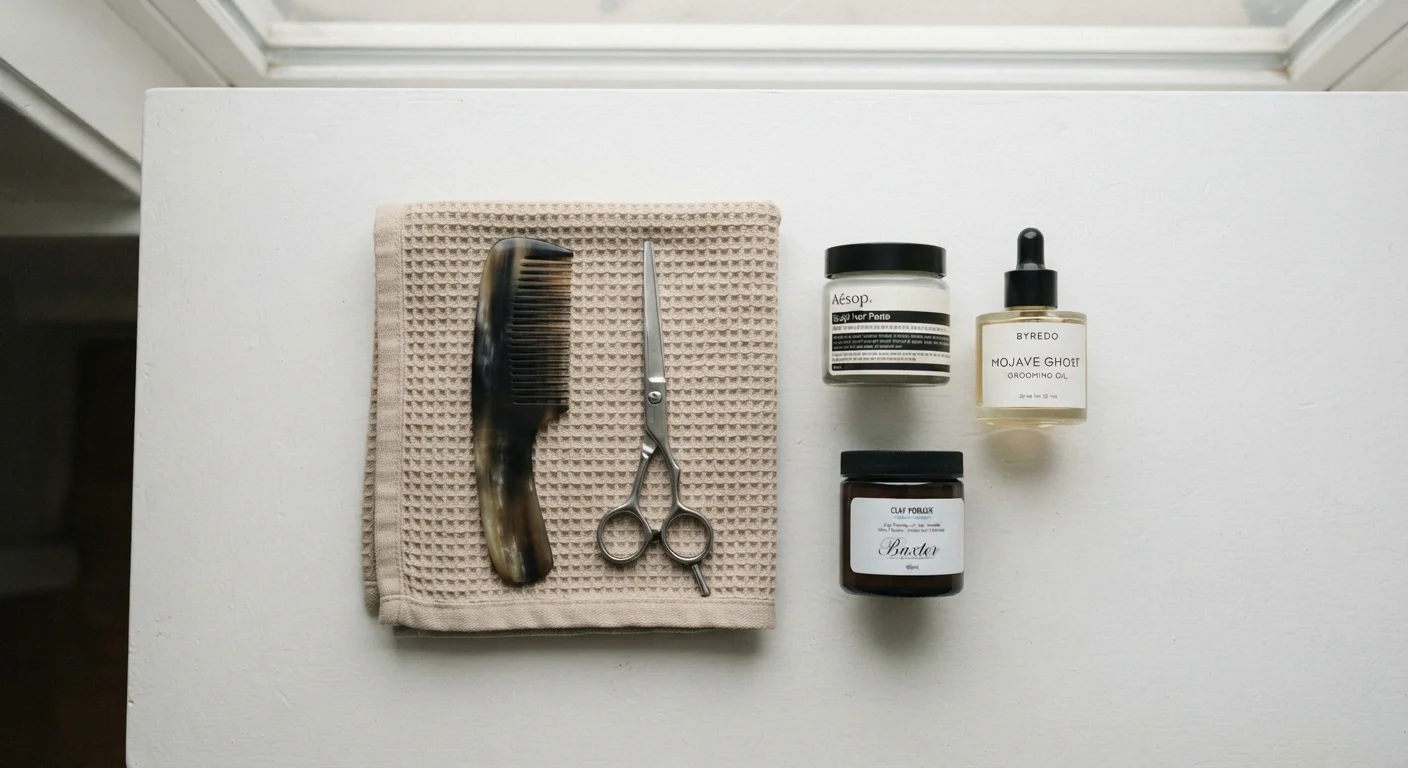
Men's Hair Grooming: A Practical End-to-End Reference
From scalp care and product selection to haircut maintenance and beard grooming, this guide covers the full spectrum of men's everyday hair care.
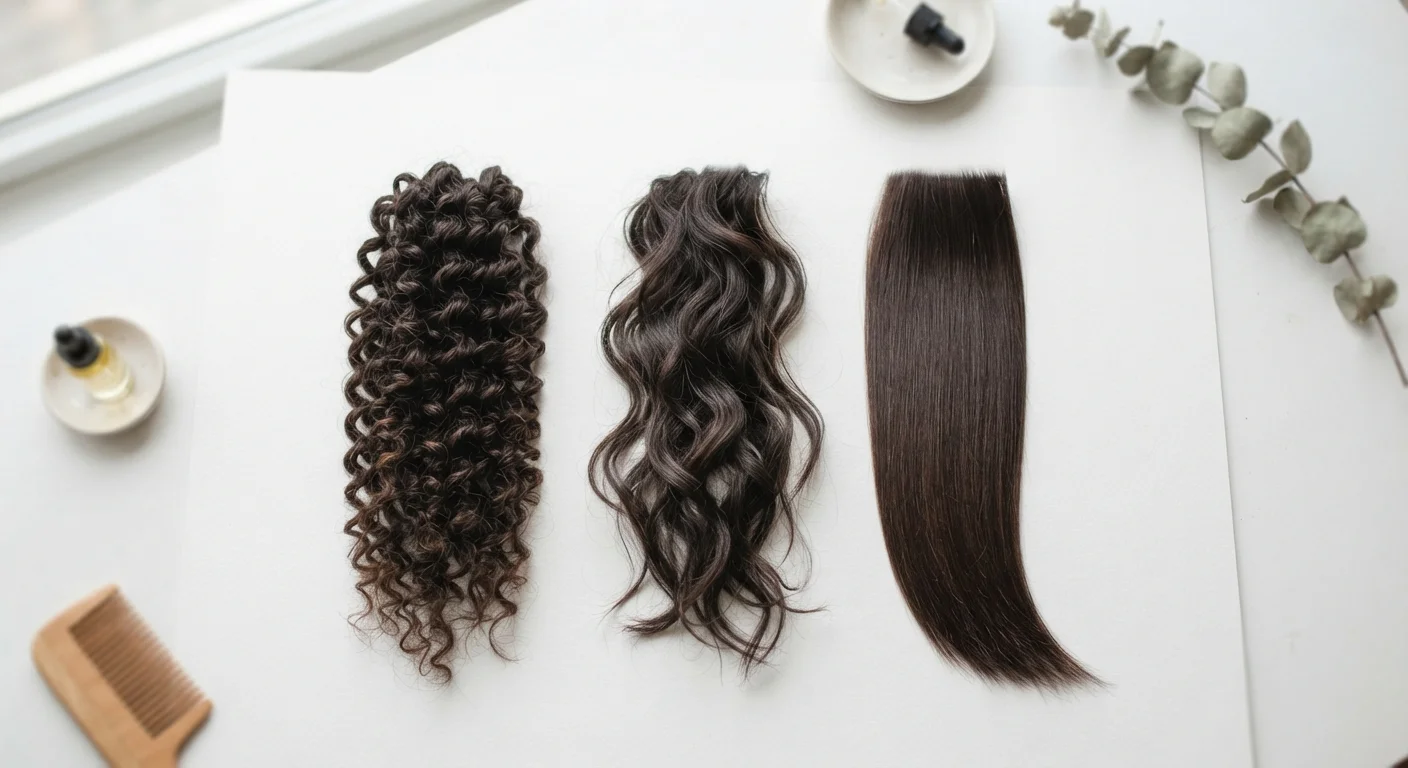
Porosity, Elasticity, and Density: The Three Hair Properties That Change Everything
Understanding your hair's porosity, elasticity, and density helps you choose the right products and routines — here's what each property means.

Protective Styles and Long-Term Hair Health
Braids, twists, and locs can support length retention — but only when done and maintained correctly. Here's what to know before styling.
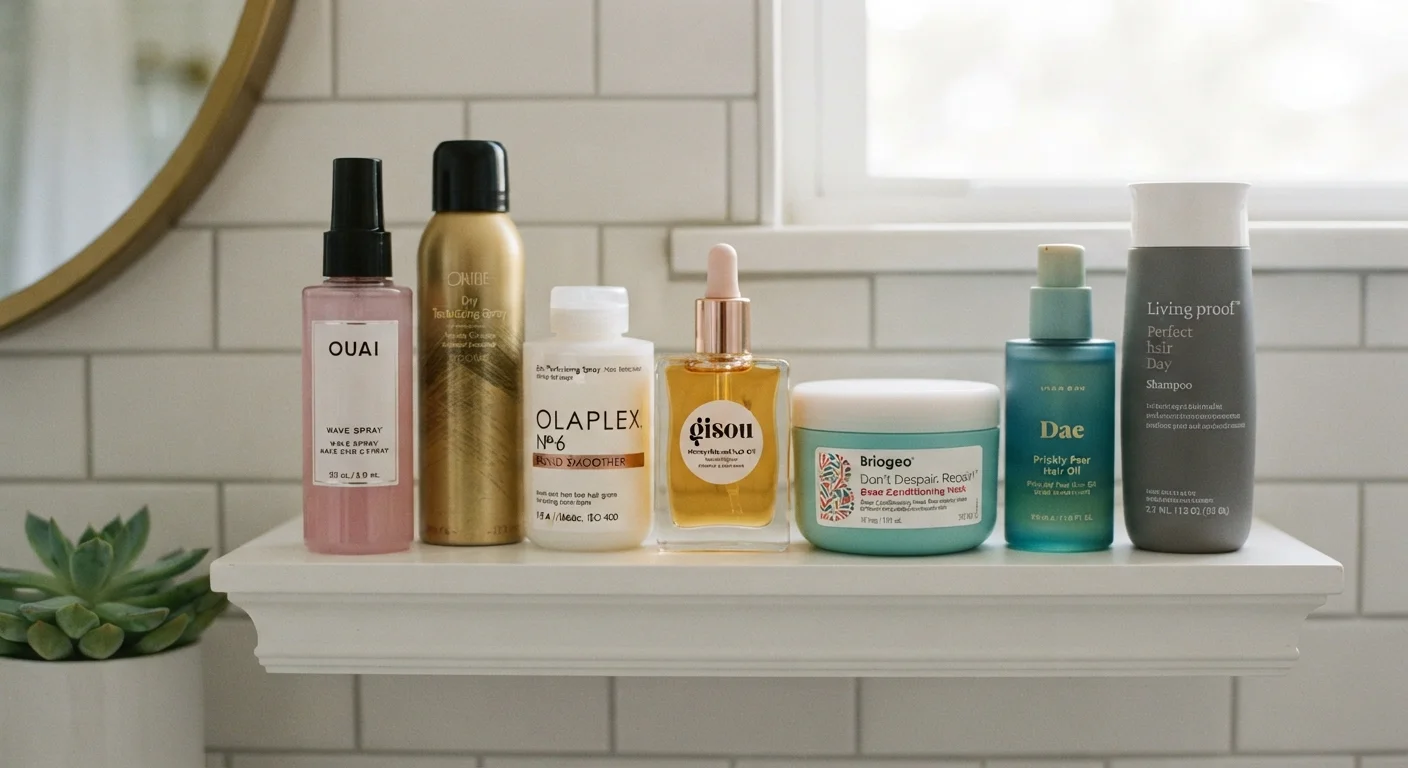
Reading a Hair Product Label Without Getting Lost in the Ingredient List
Silicones, humectants, proteins, alcohols — this guide decodes common hair product ingredients so you can make sense of what's in the bottle.
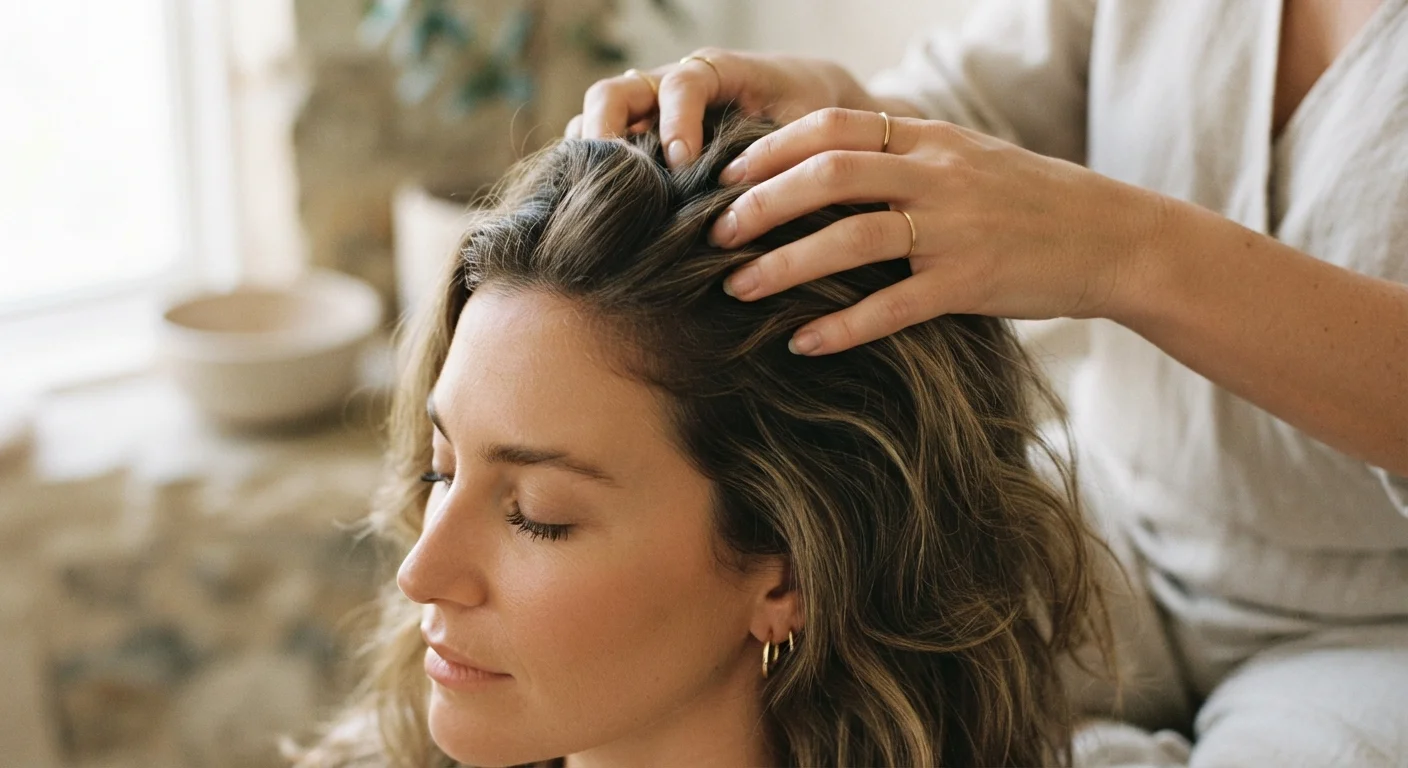
Scalp Massage: What It Does, What It Doesn't, and How to Do It
Scalp massage is often credited with hair growth claims that outpace the evidence. Here's an honest breakdown of its actual effects and proper technique.
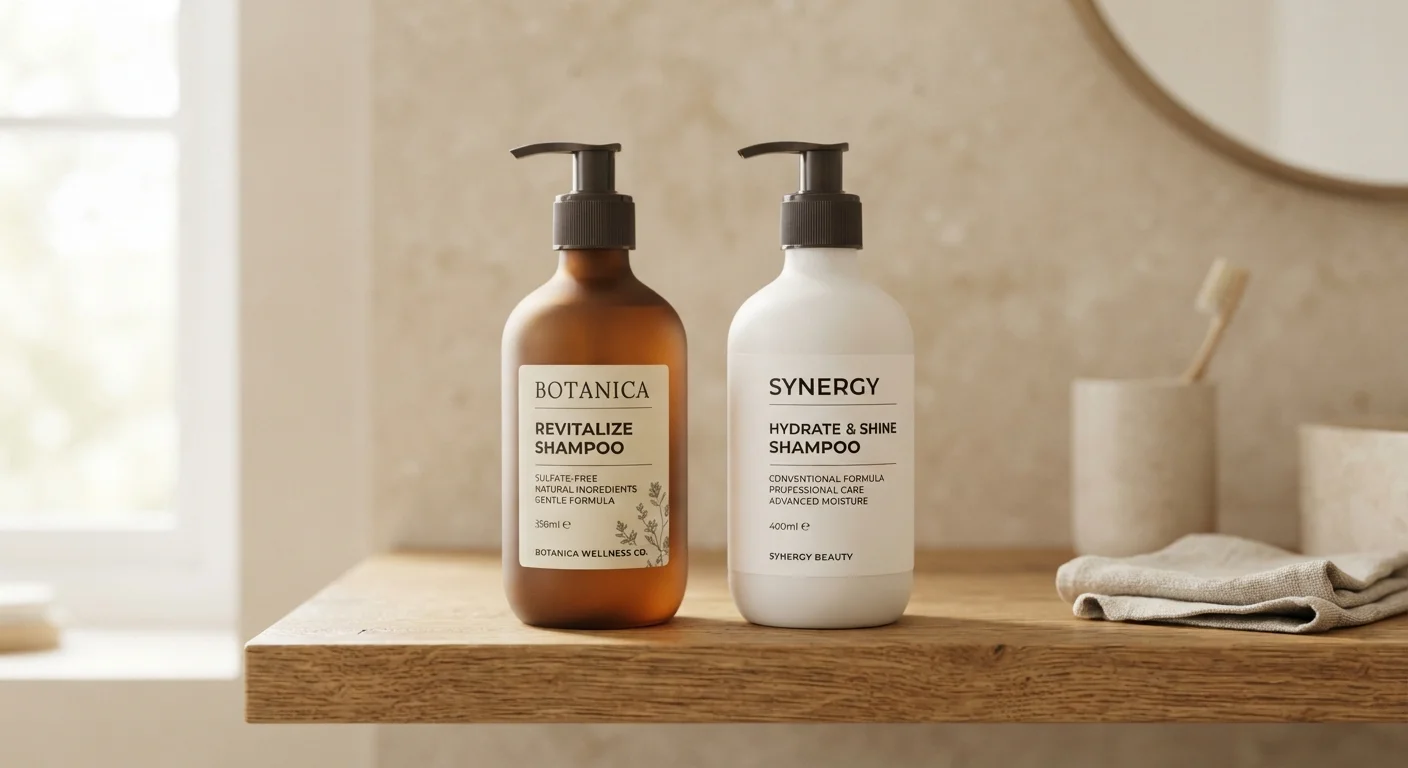
Sulfate-Free vs. Traditional Shampoo
Sulfate-free and conventional shampoos cleanse differently. See how each affects scalp oil, color, curl patterns, and everyday hair health.
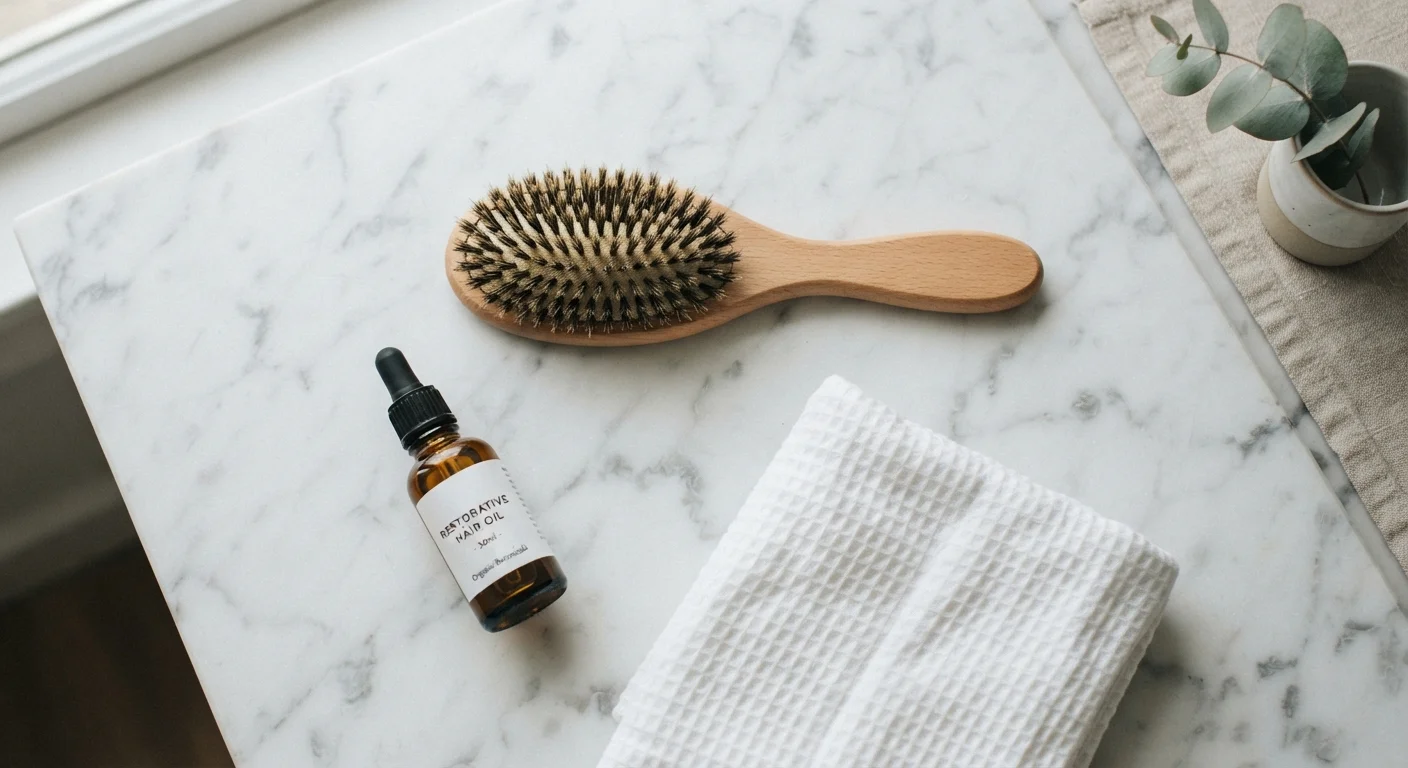
The Case Against Daily Washing — and What to Do Instead
Washing your hair every day may strip natural oils and cause more harm than good. Here's the science and what smarter cleansing looks like.
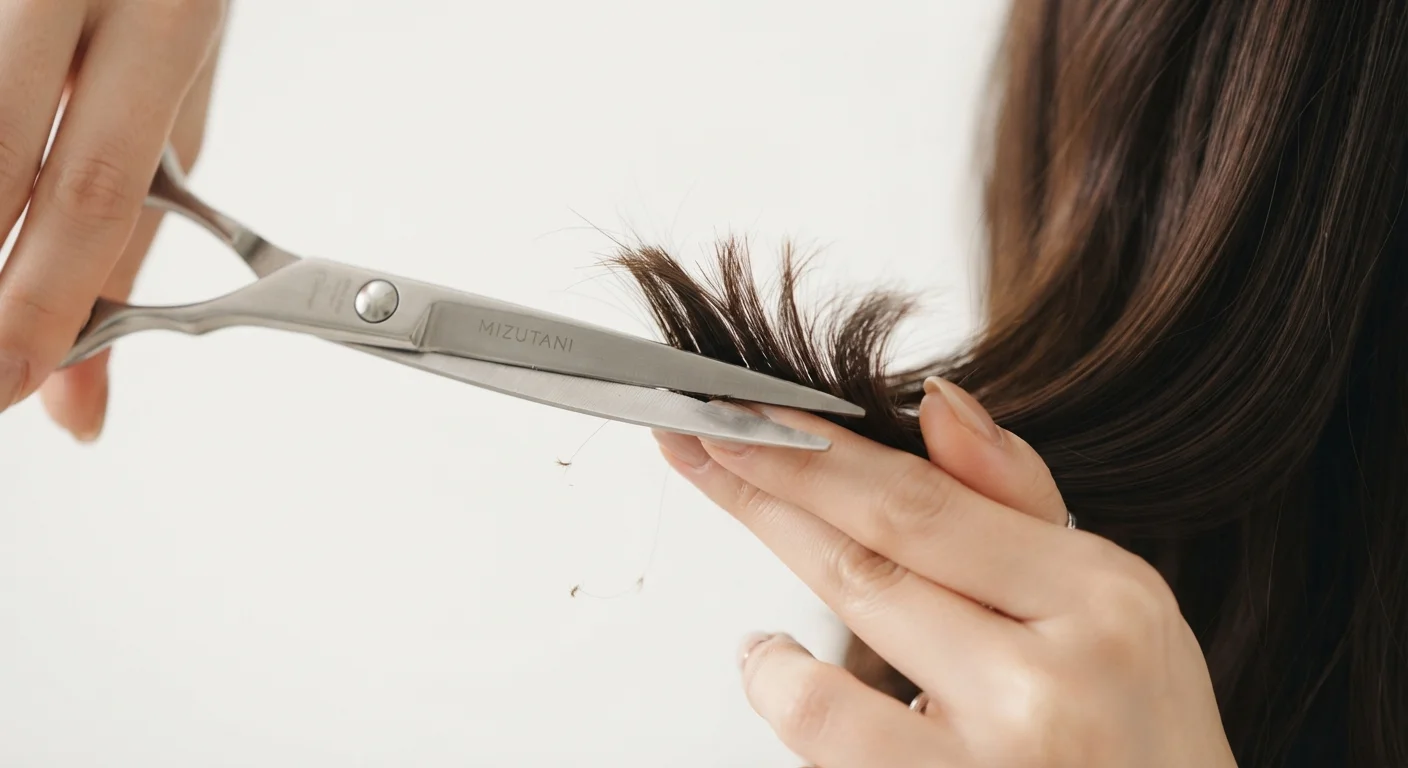
Trimming vs. Treating: Addressing Split Ends the Right Way
Can leave-in conditioners repair split ends, or is the scissors the only real fix? A clear look at what actually works and why.

What Your Scalp Is Telling You About Your Hair Health
Flaking, oiliness, tightness — learn what common scalp conditions signal about your overall hair health and when to seek professional guidance.