
The Case Against Daily Washing — and What to Do Instead
Washing your hair every day may strip natural oils and cause more harm than good. Here's the science and what smarter cleansing looks like.
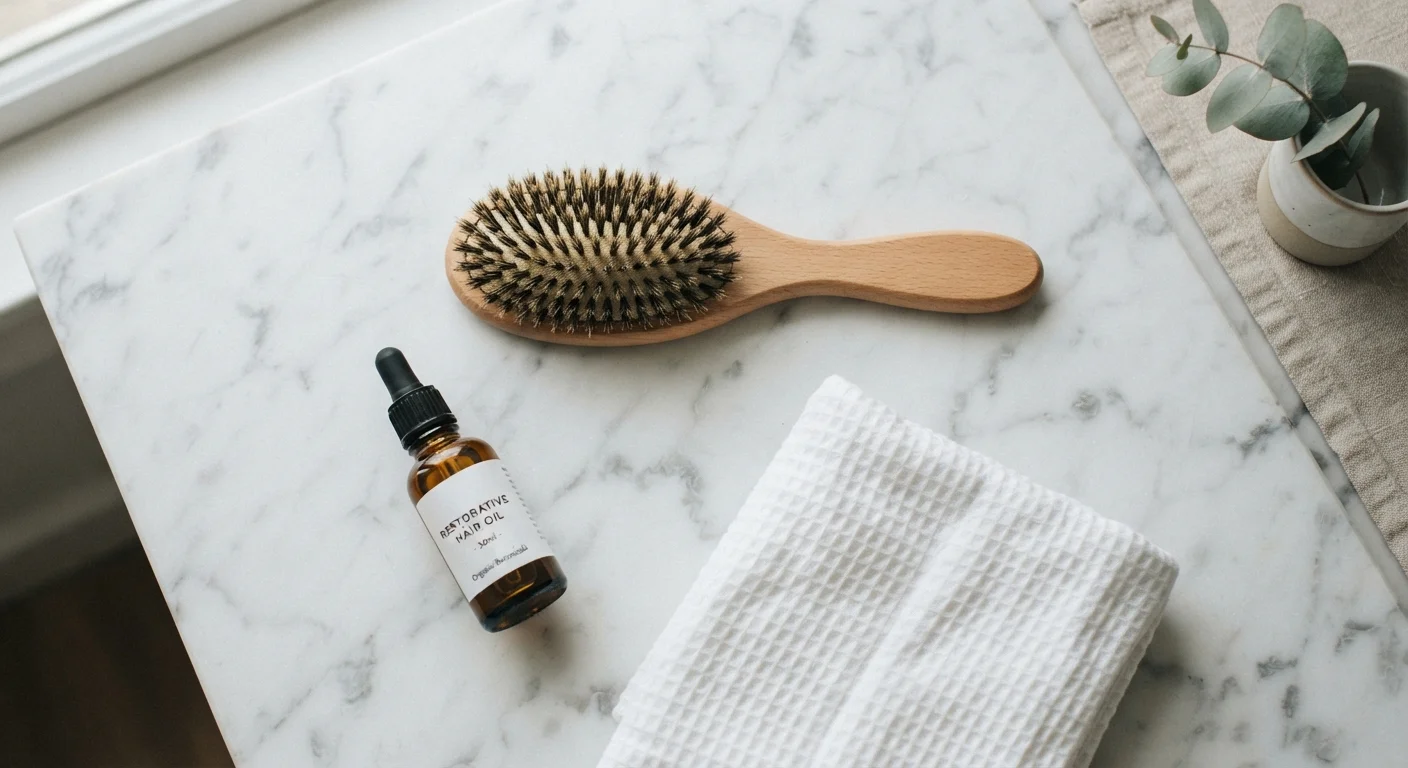
Photo: SaverSteals.com editorial
—— In This Article
Key Takeaways
- Daily shampooing strips natural scalp oils, often triggering more oil production over time.
- Wash frequency should be guided by hair type, scalp condition, and lifestyle — not habit.
- Co-washing, scalp-only cleansing, and dry shampoo are viable alternatives on rest days.
- Most people can train their scalp to produce less oil by gradually spacing out washes.
- Overwashing is one of the most common — and easily corrected — hair care mistakes.
Why Daily Washing Works Against You
The scalp produces sebum — a natural oil that lubricates the hair shaft and protects both the scalp and strands from environmental stressors. When you shampoo every day, you remove this oil before it has a chance to do its job. The scalp responds by ramping up production, which can leave hair looking greasier faster and create a frustrating cycle that feels impossible to break.
This isn't a niche theory. Dermatologists generally agree that most people don't need to wash daily, and that wash frequency should be determined by hair type, scalp behavior, physical activity, and environment — not a rigid schedule. Coarser, drier, or curlier hair types typically need less frequent washing than very fine, straight, or oily hair. But even those with naturally oilier scalps often find relief by slowly extending their wash intervals.
2–3x
Typical overwash frequency vs. recommended
Dermatologists commonly observe that many patients wash their hair far more often than their scalp type actually requires, according to general clinical guidance.
~28 days
Natural scalp renewal cycle
Like skin elsewhere on the body, the scalp undergoes a roughly monthly cell turnover cycle, making gentle, infrequent cleansing sufficient for most people.
The good news: the scalp is adaptable. Most people notice that after a few weeks of gradually spacing out washes, excess oiliness begins to calm down. It takes patience, but it works for many people.
Common Mistakes That Make Things Worse
It's not just how often you wash — it's also how you wash. Several deeply ingrained habits can undercut even a well-intentioned routine.
Washing hair daily out of habit, regardless of actual scalp condition.
Why it happens: Many people grew up in households where daily washing was the norm, or assume that clean-feeling hair requires daily lathering. Advertising has also historically reinforced the idea that freshly washed hair is ideal hair.
Applying shampoo all the way down the hair shaft instead of focusing on the scalp.
Why it happens: It feels thorough, and it's easy to assume lathering the entire length gets hair "more clean." In reality, most dirt and oil accumulates at the roots — not the ends.
Using the same shampoo regardless of whether the scalp is oily, dry, or balanced.
Why it happens: Most people pick a shampoo and stick with it. Scalp conditions change with seasons, stress, diet, and hormonal shifts, so what worked well at one point may not be right now.
Skipping conditioner on wash days to avoid hair feeling weighed down.
Why it happens: People with fine or oily hair often fear that conditioner will make things worse. So they skip it entirely, which leaves hair more vulnerable to breakage and tangling.
Relying on high-lather shampoos as a sign that cleansing is working.
Why it happens: Lather feels satisfying and is culturally associated with "clean." But heavy foam often comes from sulfates, which can be overly stripping for many hair types.
One often-overlooked factor is water temperature. Very hot showers feel relaxing, but hot water can further strip oils from both scalp and strands, leaving hair dull and brittle. Rinsing with cooler water is a low-effort change that many people find genuinely helpful for shine and moisture retention. You can also explore what heat does to hair structure to understand the full picture of thermal stress.
Smarter Alternatives for Rest Days
Spacing out washes doesn't mean tolerating uncomfortable hair in between. A few practical strategies make rest days easier:
- Scalp-only rinse: A plain water rinse can remove some surface sweat and residue without stripping oils. This works especially well after light workouts.
- Co-washing: Using conditioner only — skipping shampoo entirely — is a popular approach for curly and coily hair types that tend toward dryness. It gently detangles and adds moisture without aggressive cleansing.
- Dry shampoo: A legitimate tool for absorbing excess oil at the roots and refreshing volume.
Dry Shampoo Isn't a Permanent Fix
Dry shampoo absorbs excess oil and adds volume, but regular heavy use can lead to buildup on the scalp that may clog follicles. It's best used as a bridge between washes — not as a long-term substitute for cleansing. Make sure you're fully washing it out on your next shampoo day.
- Scalp massage: Stimulating the scalp with fingertip pressure on rest days can help distribute oil more evenly through the hair. See our honest breakdown of scalp massage for technique and realistic expectations.
Scalp Issues May Need Professional Input
Persistent itching, significant flaking, or unusual hair shedding are not simply signs of washing too much or too little. These may signal underlying scalp conditions that warrant attention from a dermatologist. This article provides general hair care information — it is not medical advice. When in doubt, consult a qualified professional.
If you're curious about how your cleanser choice interacts with your scalp's behavior, understanding ingredient interactions is worth exploring before your next product swap.
This article is for informational purposes only and does not constitute medical advice. If you are experiencing persistent scalp concerns, consult a qualified dermatologist or healthcare professional.

Style Editorial Team
Style Editorial Team is the collective byline for our editorial team and contributor network. Articles published under this byline or an editorial pen name are researched, written, and reviewed according to our editorial standards for clarity, consistency, and independence before publication.
View author profile