
Proportion in Outfit Building: The Principle That Makes Clothes Look Intentional
Understanding proportion—how volumes, lengths, and silhouettes interact—is the single concept that most changes how everyday outfits read.
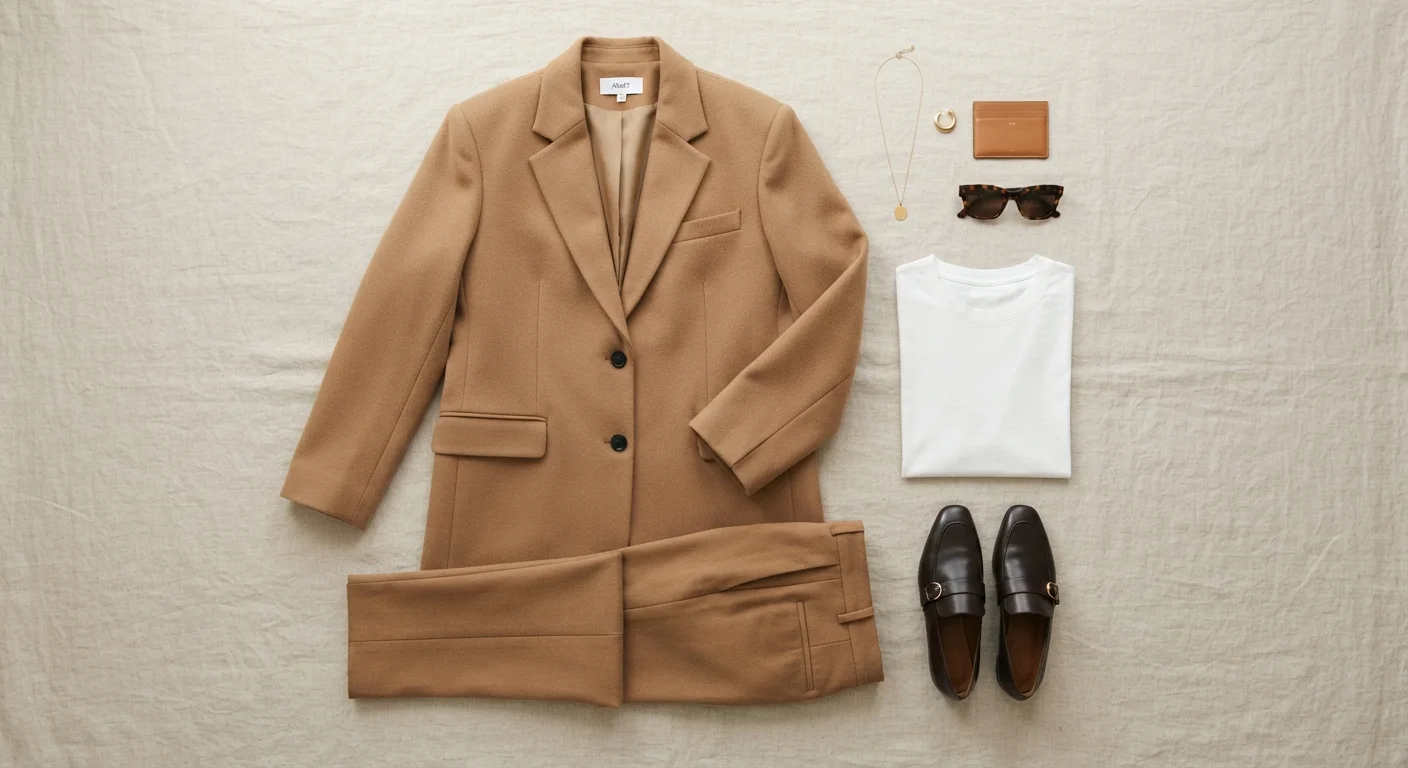
Photo: SaverSteals.com editorial
—— In This Article
Key Takeaways
- Proportion is about how volumes, lengths, and silhouettes interact — not about rules that apply to every body.
- Balancing loose with fitted is the most reliable starting point for most everyday outfits.
- Where fabric ends (hemlines, waistbands, cuffs) controls how long or short your body appears.
- Layering adds complexity — and directly shapes proportion when done thoughtfully.
- You don't need new clothes to improve proportion; rearranging what you own often does the work.
Why Proportion Is the Foundation of Getting Dressed Well
Most of us have experienced opening a full closet and feeling like we have nothing to wear. Often, the real issue isn't a shortage of clothes — it's a gap in understanding how pieces work together. Proportion is the concept that bridges that gap.
When stylists talk about an outfit looking 'put together,' they're usually describing proportion at work. The loose linen shirt paired with slim-cut trousers. The boxy jacket layered over a fitted turtleneck. These combinations feel resolved because the volumes balance. Swap in a billowy pant and that balance shifts entirely — not necessarily badly, but differently.
Proportion awareness doesn't require formal training. It's a way of looking at how shapes and sizes relate — and once you see it, you can't unsee it. If you've ever felt that something about an outfit was 'almost right,' proportion is likely what needed adjusting.
See our outfit-building strategies from your existing wardrobe for more on unlocking combinations you might be overlooking.
~70%
Of styling advice centers on fit and proportion
Style educators and wardrobe consultants consistently identify fit and proportion as the foundational elements behind polished everyday dressing.
1 tuck
Single adjustment that transforms a look
Wardrobe stylists frequently cite the half-tuck as one of the simplest, most impactful proportion adjustments available without changing clothing.
The Core Principle: Loose and Fitted in Conversation
The most practical starting point for proportion is the loose-fitted contrast. When one element of an outfit is voluminous or relaxed, its partner benefits from being more streamlined — and vice versa. This creates visual rhythm rather than a single overwhelming mass of fabric.
Think of it this way: a wide-leg trouser and an oversized crewneck are both great pieces, but worn together without any definition, they can read as one large shape. Add a tucked-in hem, a fitted underlayer visible at the collar, or even a structured shoe, and the same two pieces suddenly look intentional.
This isn't a rigid rule — it's a principle to experiment with. Some of the most compelling outfits break the loose-fitted dynamic deliberately, using scale and texture to compensate. But when you're starting out, or when an outfit feels 'almost right,' checking the volume contrast is often the fastest diagnostic tool you have.
Start With a Simple Proportion Check
Before heading out, ask yourself: which piece is doing the volume work, and which is providing the line? If both pieces are competing for the same visual role, try swapping one or adjusting a tuck, a roll, or a layer. You'll be surprised how quickly one small change can shift the whole outfit.
Hemlines, Waistlines, and Where Fabric Ends
Beyond volume, where a garment ends matters enormously. Every hemline or waistline creates a visual break — a point where the eye pauses. These breaks divide your silhouette, and controlling them is one of the most powerful proportion tools available.
A top that ends at the widest part of the hip, for example, draws the eye there and can make a bottom-heavy silhouette feel heavier still. The same top cropped two inches higher changes the focal point entirely. This is why tucking, cropping, and layering lengths thoughtfully makes such a difference — it's geometry, not guesswork.
High-waisted bottoms elongate the leg line by raising that visual break. Midi skirts create a different rhythm than mini or maxi lengths, partly because of where the hem lands relative to the knee. None of these choices are inherently right or wrong — but being deliberate about them is what separates a styled outfit from a random one.
Proportion in Layering and Pattern
Layering is one of the most effective — and often most overlooked — ways to actively shape proportion. A longline cardigan over a shorter top creates vertical lines that shift the overall silhouette. An unbuttoned overshirt worn as a layer adds width to the upper body. Each layer introduces a new edge, a new hemline, and therefore a new proportion decision.
Our seasonal layering guide explores how to approach this thoughtfully across the year, but the core proportion principle applies in every season: vary the lengths of your layers to create visual movement rather than stacking similar-length pieces.
Pattern mixing follows similar logic. Large prints expand the area they occupy visually; smaller prints tend to recede. Mixing a bold pattern on top with a quieter one below uses that contrast to guide the eye. If proportion already feels complex, start here: the informal rules that guide pattern mixing.
“Proportion is the silent language of style. It's not about rules — it's about understanding how shapes speak to each other, and then deciding what you want them to say.”
— Tim Gunn, Fashion educator and author
Making It Work for Your Wardrobe Right Now
The practical power of proportion thinking is that it costs nothing to apply. Before reaching for something new, experiment with what you own. Try tucking the same top three different ways. Swap which bottom you pair with an oversized piece. Layer a shorter jacket over a longer dress hem.
If you're building a wardrobe from scratch, keeping proportion in mind from the start means buying pieces that work in more combinations — a worthwhile filter when choosing between options.
And if you've ever wondered whether body-shape rules actually help or just add confusion, the honest answer is: proportion is more useful than most body-type frameworks. It's flexible, it's visual, and it puts you in control. For a deeper look at how those rules hold up, see what's worth keeping and what's worth ignoring in body-shape advice.
Start with one outfit today. Pick two pieces, note which is the 'volume' piece and which is the 'line' piece, and see what adjusting that contrast does. That single exercise builds more styling confidence than any trend guide.
Proportion Is Personal, Not Prescriptive
These principles are starting points, not edicts. What creates balance on one person's silhouette may feel entirely different on another's — and that's expected. Use these ideas as a framework for experimentation rather than a strict formula. Fashion should feel like play, not compliance.
Frequently Asked Questions

Style Editorial Team
Style Editorial Team is the collective byline for our editorial team and contributor network. Articles published under this byline or an editorial pen name are researched, written, and reviewed according to our editorial standards for clarity, consistency, and independence before publication.
View author profile