
How Humidity Affects Hair — and Practical Ways to Adapt Your Routine
High humidity causes frizz; low humidity causes dryness. Learn how moisture in the air interacts with different hair types and what adjustments help.
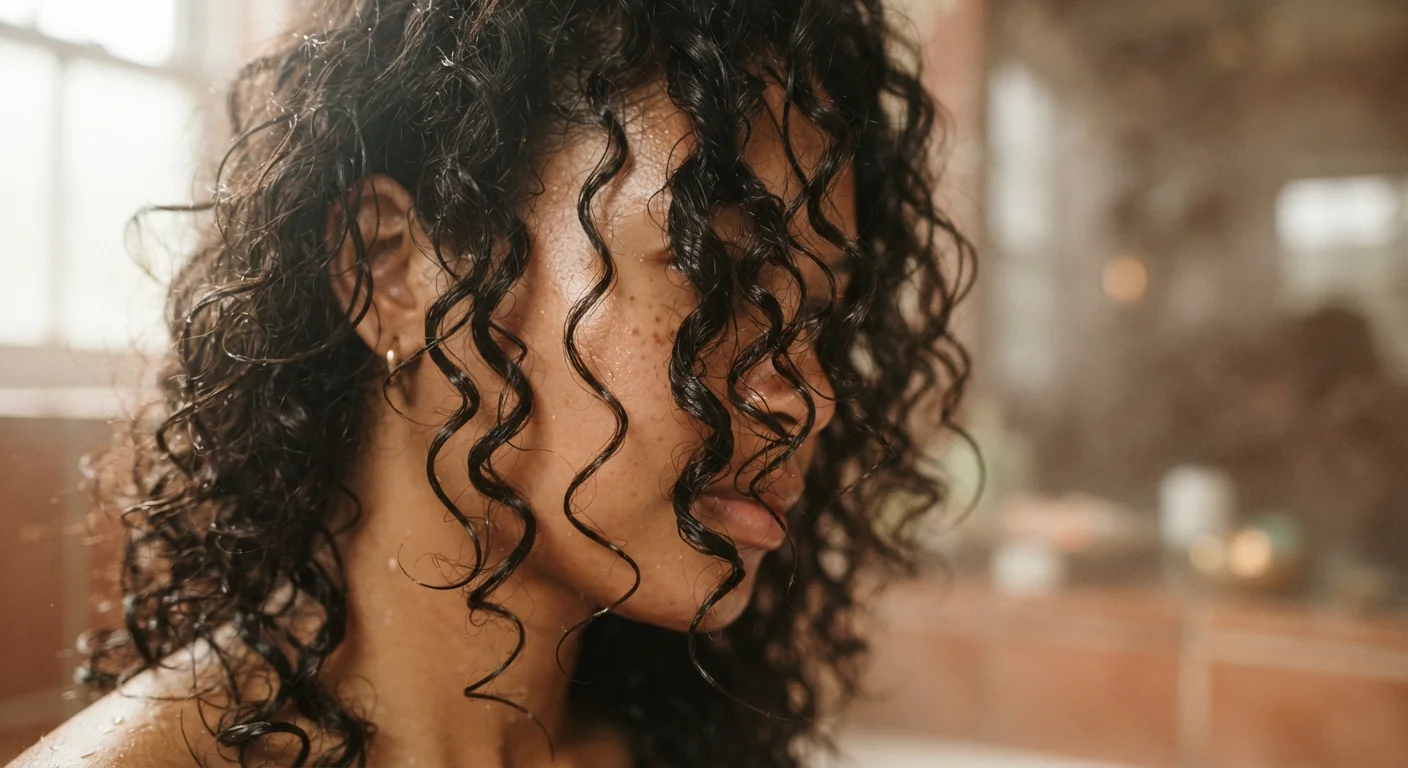
Photo: SaverSteals.com editorial
—— In This Article
Key Takeaways
- High humidity pushes moisture into the hair shaft, causing swelling, frizz, and loss of definition.
- Low humidity pulls moisture out of hair, leading to dryness, brittleness, and static.
- Hair porosity determines how strongly humidity affects your strands.
- Sealing products like oils and creams help lock in moisture and reduce weather-related frizz.
- Small adjustments to your wash-day and styling routine can offset seasonal humidity changes.
Why Humidity Messes with Your Hair
Hair's relationship with humidity comes down to chemistry. The protein structure in each strand — primarily keratin — contains bonds that respond to water. When relative humidity is high, water molecules from the air penetrate the hair shaft and cause the inner cortex to swell unevenly. This swelling disrupts the smooth lay of the cuticle (the hair's outer protective layer), which is what creates that familiar frizzy, puffy appearance.
The reverse happens in low-humidity environments: moisture escapes from the hair shaft into the dry air, leaving strands dull, brittle, or prone to static. Neither extreme is ideal, but both are manageable once you understand what's happening.
Texture matters here, too. Straight hair tends to show humidity effects as limpness or frizz at the roots. Wavy hair may lose its wave definition. Curly and coily hair, which naturally has a more open cuticle structure, often reacts most visibly — curls tighten or frizz unpredictably depending on porosity and moisture levels. To dig deeper into the science of your hair's structure, check out our overview on what your scalp is telling you about hair health.
Porosity Is the Key Variable
How dramatically humidity affects your hair depends heavily on its porosity — the hair's ability to absorb and release moisture. High-porosity hair absorbs airborne water quickly, making it especially prone to frizz and swelling in humid conditions. Low-porosity hair resists moisture uptake but can still become dry and static-prone in arid climates. Knowing your porosity helps you choose products that actually work. See our guide on porosity, elasticity, and density for a full breakdown.
Building a Humidity-Aware Routine
The goal of a humidity-adaptive routine isn't to fight the weather — it's to give your hair enough internal moisture and a strong enough external barrier that it stays relatively stable no matter what's happening outside. The steps below work for most hair types, with notes on where to adjust based on your texture and the season.
What you will need
Leave-in conditioner
Provides a base layer of moisture that helps the hair shaft resist humidity-driven swelling.
Lightweight sealing oil (e.g., argan, jojoba)
Creates a protective barrier over the hair cuticle to slow moisture exchange with the air.
Anti-humidity or anti-frizz styling cream
Coats strands to reduce frizz and help styles hold their shape in wet weather.
Humidifier (for home use in winter)
Adds moisture back into dry indoor air to reduce winter static and brittleness.
Microfiber towel or cotton T-shirt
Reduces mechanical friction during drying, which limits cuticle roughness and frizz.
Identify how humidity is currently affecting your hair
Before adjusting your routine, observe what your hair is actually doing. If you're seeing puffiness, frizz, or undefined curl patterns on humid days, excess moisture absorption is likely the issue. If your hair feels brittle, develops static cling, or snaps easily during dry winter months, low-humidity moisture loss is the culprit. Noting this pattern is your starting point — don't adjust products before you know which direction the problem is running.
Start every wash day with a hydrating cleanser or conditioner
On wash day, reach for a sulfate-free or moisturizing cleanser rather than a clarifying shampoo unless buildup is specifically the issue. Follow with a conditioner focused on moisturizing rather than protein — well-hydrated hair is less likely to desperately absorb ambient moisture from the air. Deep conditioning once a week or every two weeks can further reinforce this baseline, especially for high-porosity or textured hair types.
Apply a leave-in conditioner before styling
After washing, apply a leave-in conditioner while hair is still damp. This creates a moisture buffer that stabilizes the hair shaft before it encounters the outside air. In high-humidity environments, use a lighter, water-based leave-in to avoid buildup. In dry, low-humidity conditions, a richer cream-based leave-in provides more lasting hydration.
Seal with a lightweight oil or cream to lock moisture in
Once your leave-in is applied, layer a small amount of lightweight oil or styling cream on top. This step — sometimes called the LOC method (Liquid, Oil, Cream) in textured hair communities — is designed to seal the moisture layer you've just applied and slow its exchange with the environment. In high humidity, the sealing step helps prevent the hair shaft from absorbing excess airborne water. In low humidity, it slows moisture from escaping into dry air.
Dry with low heat or air-dry with minimal disturbance
How you dry your hair after washing significantly affects frizz outcomes. Rough towel-drying raises the cuticle and makes strands more reactive to humidity. Instead, gently squeeze or scrunch water out with a microfiber towel or clean cotton T-shirt. If using a blow dryer, use a diffuser on a low or medium heat setting to avoid excessive cuticle disruption. For those who regularly style with heat tools, understanding the cumulative effect matters — our article on heat styling and hair damage covers what the research shows.
Adjust your routine seasonally
Humidity isn't static — it shifts with the seasons. Summer in most of the U.S. brings higher humidity; winter indoor heating creates very dry conditions. Review your product lineup at least twice a year. In summer, scale back heavier creams and prioritize anti-frizz finishers if needed. In winter, add more moisture-retaining steps and consider running a humidifier in your home to offset dry heated air. Protective styles can also reduce exposure to extreme seasonal conditions. For style ideas that support hair health year-round, our piece on protective styles and long-term hair health is a useful reference.
Micro-Adjust Between Seasons
You don't need a completely different routine for every season — small tweaks go a long way. In summer, swap a leave-in conditioner for a lighter, water-based version. In winter, add a single drop of oil to your usual moisturizer. These small pivots keep your hair balanced without overhauling your whole shelf.

Style Editorial Team
Style Editorial Team is the collective byline for our editorial team and contributor network. Articles published under this byline or an editorial pen name are researched, written, and reviewed according to our editorial standards for clarity, consistency, and independence before publication.
View author profile