

Key Takeaways
What Subscribe & Save Actually Promises
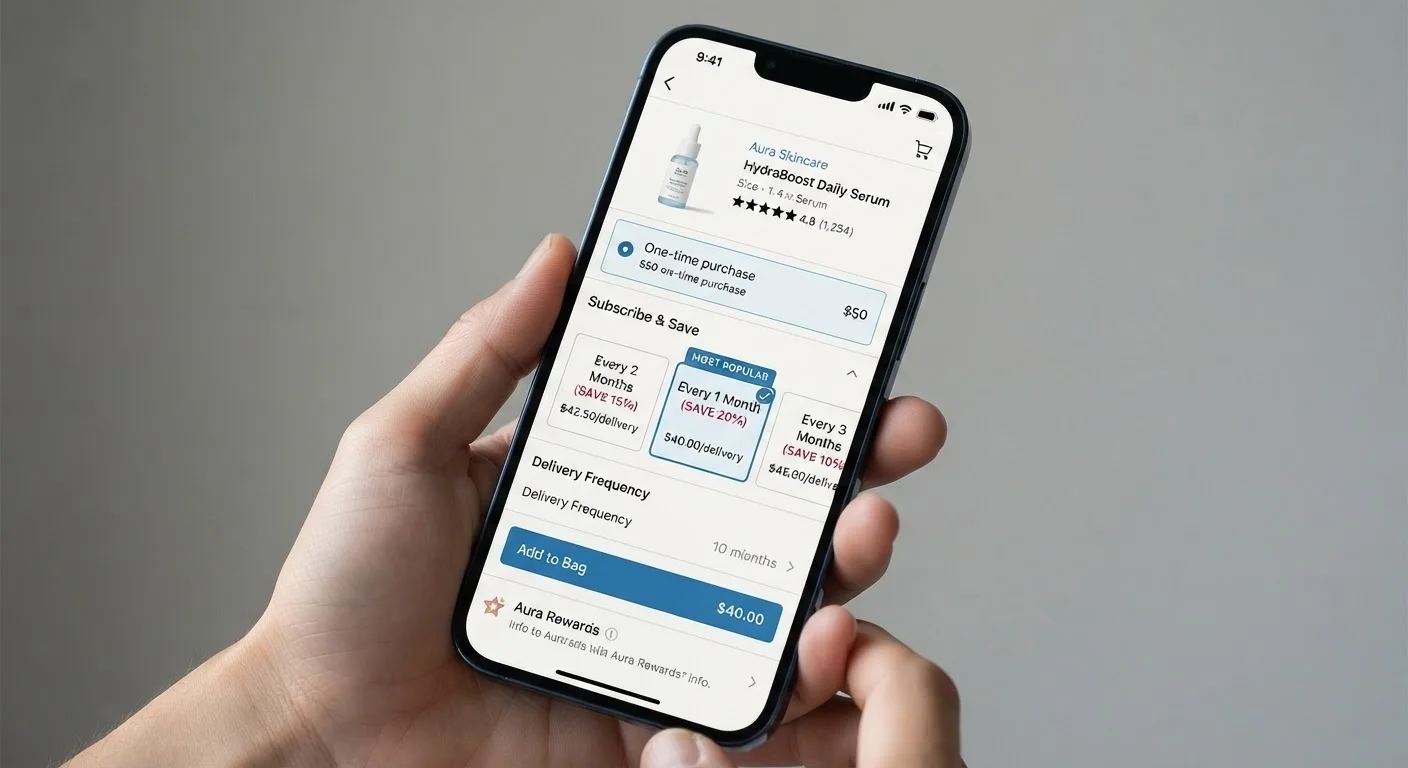
Amazon's Subscribe & Save program offers a discount - typically 5% on a single subscription, scaling up to 15% when you have five or more active subscriptions delivering in the same month - in exchange for signing up for automatic, recurring deliveries on a schedule you choose (every 1, 2, 3, 4, 6, or 12 months).
On paper, it sounds like a system designed for you. In practice, it's a system designed for Amazon - and understanding that distinction is the first step toward using it strategically instead of habitually.
The core pitch is straightforward: commit to buying regularly, and Amazon shaves a percentage off the price. The catch is that the discount applies to Amazon's current price at the time of each delivery, not to a fixed price you locked in when you subscribed. That single detail changes everything about how you should evaluate any subscription.
Used correctly, Subscribe & Save can be a legitimate tool for predictable savings on items you consume consistently. Used on autopilot, it becomes a drain - quietly charging you more than you'd pay shopping around, or delivering products you've already bought elsewhere because they were on a better sale.
The myths below are the ones I see shoppers repeat most often. Each one costs real money.
The Myths - and What the Data Actually Shows
These aren't edge cases. Each misconception below reflects a default assumption that Amazon's interface actively encourages. Let's work through them one by one.
Myth
Subscribe & Save always gives you the lowest price Amazon offers on a product.
Fact
Subscribe & Save applies a percentage discount to Amazon's current price, which fluctuates. A one-time purchase during a Lightning Deal or Prime Day sale often undercuts the subscription price significantly.
Amazon's prices change daily - sometimes hourly on high-velocity products. Your Subscribe & Save discount is calculated against whatever the base price is at the moment your order processes, not the price when you enrolled. If Amazon raises the base price 20% between subscriptions, your 15% discount still leaves you paying more than you would have the previous month.
The practical fix: check the product's price history on CamelCamelCamel before each delivery processes. Amazon emails you 3-5 days before your subscription ships - that's your window to skip the delivery if the current price is inflated. Don't let the subscription run on autopilot without that check.
Also worth noting: Amazon's own sale events (Prime Day, Black Friday, Deal of the Day) routinely offer one-time discounts of 20-40% on the exact same products. If a sale drops a product below your Subscribe & Save price, buy it outright during the sale and skip or delay that subscription cycle.
Myth
The 15% discount makes Subscribe & Save cheaper than buying in bulk from Costco or Walmart.
Fact
Warehouse clubs and big-box stores frequently beat Amazon's Subscribe & Save price on household staples - especially when comparing unit costs on large-format packaging.
The 15% tier requires five or more subscriptions delivering in the same calendar month - a condition many households don't consistently meet. Even when you do hit that threshold, Costco's unit pricing on detergent, paper products, canned goods, and pet food often runs 15-30% below Amazon's base price before any discount is applied.
Run the comparison at the unit level, not the package level. Divide the total price by the number of units, ounces, or count to get a true cost-per-unit figure. Amazon's Subscribe & Save interface doesn't make this easy - which is intentional. Do the math manually before subscribing to anything you could plausibly buy in bulk elsewhere.
The category where Amazon tends to win: specialty or brand-specific products that warehouse clubs don't stock. Niche supplements, specific pet food formulas, and imported food items often have no viable Costco equivalent. Subscribe & Save earns its keep there. For mainstream commodities - dish soap, laundry pods, paper towels - always compare first.
Myth
Subscribing means you're committed - canceling is complicated or comes with a penalty.
Fact
Amazon imposes no cancellation fee, no minimum order requirement, and no commitment period. You can cancel, skip, or pause any subscription at any time with no financial consequence.
This myth keeps people locked into subscriptions they should have canceled months ago, or prevents them from trying the program at all. Neither outcome serves you. Amazon's Subscribe & Save is genuinely flexible - more so than most subscription services.
You can skip individual deliveries without canceling. You can change your delivery frequency at any time. You can cancel mid-cycle with no penalty. The only thing you lose when you cancel is the discount tier if it drops you below five subscriptions - and that's easily recovered by resubscribing to something you actually use.
The real risk isn't cancellation complexity - it's inertia. Subscriptions continue silently unless you actively manage them. Set a calendar reminder to audit your Subscribe & Save dashboard quarterly. Most people who overpay on subscriptions aren't paying a cancellation fee; they're paying for deliveries they forgot they scheduled.
Myth
Subscribe & Save works equally well across all product categories.
Fact
Subscribe & Save delivers consistent value on predictable consumables. It underperforms - or actively costs more - on discretionary items, electronics accessories, or products with volatile demand.
The program's logic only holds when your consumption rate is stable and predictable. If you use approximately the same amount of laundry detergent every month, a monthly subscription is rational. If you're subscribing to a product you buy on impulse or in quantities that vary - a snack food, a skincare item you're testing, a supplement you're not sure you'll keep using - the subscription model works against you by creating supply you may not need.
Categories where Subscribe & Save consistently earns its keep:
- Laundry and dishwasher detergent
- Paper products (toilet paper, paper towels, tissues)
- Pet food and treats (for consistent breeds and formulas)
- Vitamins and supplements you've committed to long-term
- Baby products (diapers, wipes, formula) during active use phases
- Coffee and tea (if you drink the same thing regularly)
Categories where Subscribe & Save frequently disappoints:
- Electronics and accessories (prices drop too fast; you'd often do better buying at a sale price)
- Seasonal food or limited-edition items
- Products you're trying for the first time
- Items available significantly cheaper at your local grocery store or warehouse club
The mental model: if you'd put it on a recurring grocery list without thinking twice, it's a Subscribe & Save candidate. If you're still deciding whether you like it, buy it once first.
Myth
Amazon's Subscribe & Save price is the same as the regular retail price minus the stated discount.
Fact
Amazon sometimes raises the displayed base price before applying the Subscribe & Save discount, which can make the 'discount' illusory - you may be paying near or above what you'd pay buying it outright elsewhere.
This is the most quietly expensive myth on the list. Price anchoring - showing a higher "list" price to make a discounted price look more attractive - is a documented retail practice, and Amazon is not immune to it. Before subscribing to any product, check three things:
- The product's price history via CamelCamelCamel to see if the current base price is inflated relative to its historical average.
- The non-subscription one-time purchase price on the same Amazon listing - sometimes the gap between the one-time price and the subscribe price is smaller than the stated percentage implies.
- The price for the same or equivalent product at Target, Walmart, and the brand's own website.
If the Subscribe & Save price clears all three checks and is still the lowest available option, subscribe with confidence. If it fails any one of those checks, either don't subscribe or set a price alert and wait for a better entry point.
This due diligence takes about three minutes per product. Across a household that subscribes to ten products, that's thirty minutes of work that could easily save $200-$400 annually - a better hourly rate than most side hustles. For more on couponing habits that quietly underperform, why your coupons aren't saving as much as they should applies the same skeptical lens to broader discount strategies.
5-15%
Subscribe & Save discount range
Amazon's stated discount tiers: 5% for a single subscription, up to 15% when five or more subscriptions deliver in the same month.
3-5 days
Advance notice before delivery processes
Amazon emails subscribers this window before each order ships - the critical opportunity to skip, modify, or cancel a delivery cycle.
15-30%
Typical Costco unit-price advantage on staples
Consumer pricing analyses consistently show warehouse club unit costs on household staples running 15-30% below Amazon's base prices before any Subscribe & Save discount is applied.
$0
Cancellation or commitment fee
Amazon charges no penalty for canceling, skipping, or modifying Subscribe & Save subscriptions at any point in the billing cycle.
When Subscribe & Save Genuinely Earns Its Place
Despite the caveats, there are real scenarios where Subscribe & Save is the smartest purchasing decision available. The pattern is consistent: it works best when three conditions overlap.
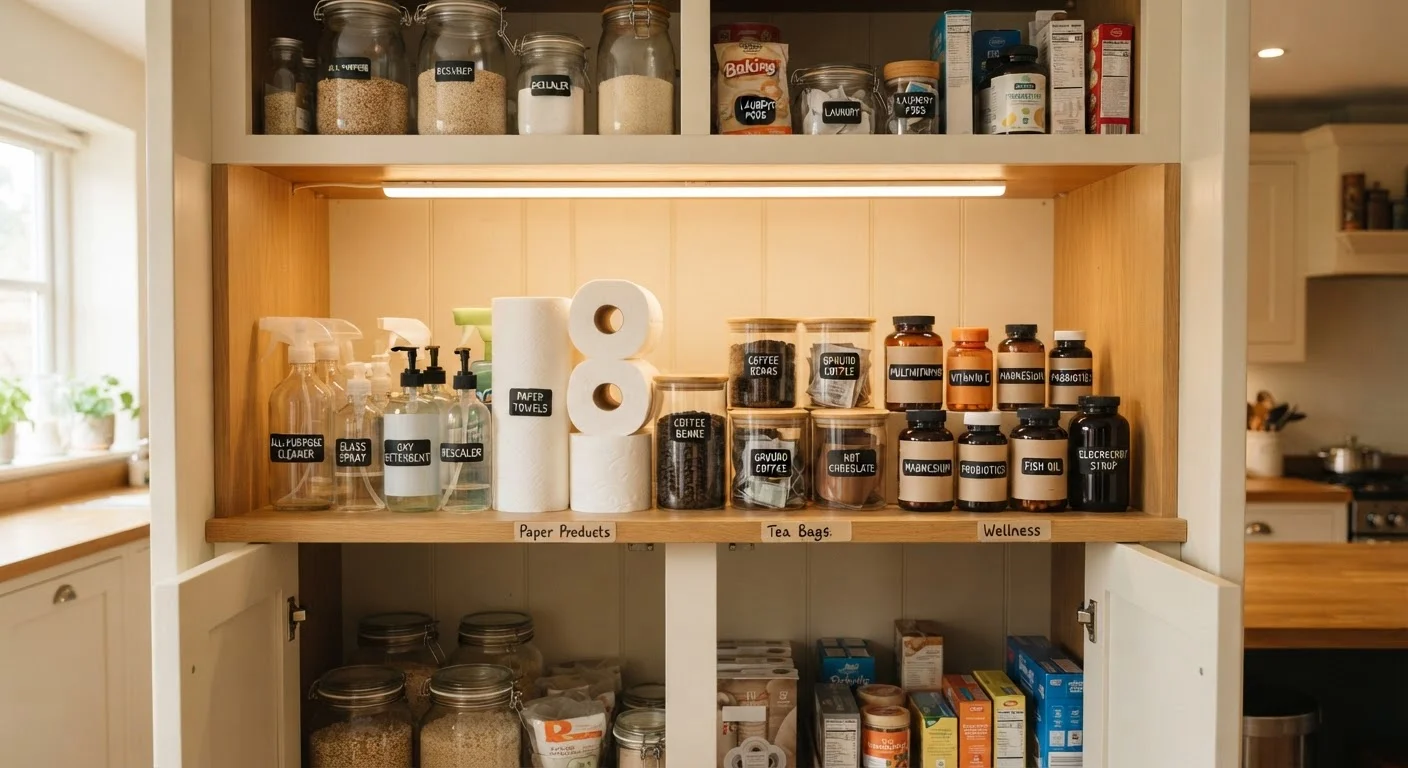
- The product is a true consumable - you use it at a predictable rate and will definitely need more (laundry detergent, protein powder, pet food, vitamins, diapers, coffee).
- Amazon's base price is competitive - you've already compared it against Costco, Target, Walmart, and the brand's own site, and Amazon isn't inflating the baseline.
- You can stack an additional coupon - Amazon frequently offers item-level coupons that apply on top of Subscribe & Save discounts. That stacking can push effective discounts to 20-25%.
For that third point, see how Amazon's coupon clipping system works - because most shoppers miss clippable coupons entirely, leaving the biggest savings on the table.
Timing also matters. If you subscribe during a Prime Day or Black Friday promotion when Amazon's base price is temporarily lower, you capture that discounted base for that delivery cycle. Just don't assume the deal recurs automatically - check the price before each scheduled delivery.
The lowest-effort way to stay honest about pricing: set a price alert on a tool like CamelCamelCamel for any product you subscribe to. If the historical price chart shows Amazon's price is currently at or near its all-time low, Subscribe & Save is doing real work. If the price is elevated, consider skipping that delivery month.
Watch for Price Creep Between Deliveries
Amazon's prices on Subscribe & Save items can rise between your enrollment date and your next delivery without any notification. A product you subscribed to at $18.99 may process at $22.49 three months later - with your 15% discount applied to the higher base. Always check the current price against your last delivery invoice before letting a subscription ship. If the price has risen meaningfully, skip that cycle and wait for it to normalize.
Don't Stockpile Items With Expiration Dates
Subscribe & Save delivery frequency options go down to monthly, but many households accumulate inventory faster than they consume it - especially at the 15% tier when the deal psychology kicks in. Receiving six months of vitamins when you only consume three is a net loss, not a savings. Audit your actual consumption rate before setting delivery frequency, and err toward longer intervals rather than shorter ones.
How to Run Subscribe & Save Like a System, Not a Subscription
The difference between shoppers who save with Subscribe & Save and those who overpay is almost entirely behavioral. The program rewards active management, not passive enrollment.
Set a Monthly Audit Reminder
Amazon sends an email 3-5 days before each subscription processes. That window exists for a reason - use it. Pull up your upcoming deliveries and ask: do I need this quantity right now, and is this price better than alternatives? Skip any delivery where the answer to either question is no.
Build Toward Five Subscriptions Strategically
The jump from 5% to 15% discount happens at five concurrent subscriptions. If you're at four, it's worth asking whether there's a fifth consumable you genuinely use that you could add. But don't add a fifth product you don't need just to unlock the tier - that's the program working against you.
Compare Against Warehouse Clubs Before Committing
Costco and Sam's Club unit pricing on household staples frequently beats Amazon's 15% Subscribe & Save price. This isn't always true, and it varies by product and region, but it's true often enough that you should run the comparison before subscribing to anything in bulk quantities. Couponing basics covers unit-price comparison frameworks that apply directly to this evaluation.
Stack Coupons Every Cycle
Before each delivery processes, check whether an Amazon coupon is currently available for that product. Clipping it takes ten seconds and stacks with your Subscribe & Save discount. Over a year of deliveries, that stacking adds up materially - especially on higher-ticket consumables like specialty supplements or premium pet food.
If you want to understand why relying solely on coupon apps outside of Amazon often underdelivers, why coupon app savings rarely reach your cart is worth reading before your next grocery run.

Know the Exit Is Free
Amazon charges no cancellation fee and imposes no minimum commitment. You can cancel a subscription the day after it delivers with zero penalty. This makes it rational to test Subscribe & Save on products you're uncertain about - subscribe, evaluate one or two cycles, then cancel if the savings don't materialize. Treat it as a trial, not a contract.
And if you've been unconsciously overpaying on seasonal items by subscribing to them year-round, buying timing strategy will reframe how you think about when to stock up versus when to subscribe.
Subscribe & Save Is Not a Set-It-and-Forget-It System
Every Subscribe & Save success story involves active management - checking prices before deliveries, skipping cycles when prices are elevated, stacking coupons, and periodically auditing what's still worth subscribing to. The households that overpay are the ones treating it as passive automation. Treat each upcoming delivery like a purchasing decision you're making today, because you are. The subscription just means Amazon processes it unless you say otherwise.