
Natural Fibers vs. Synthetics in Everyday Clothing
Cotton, linen, polyester, nylon—how do natural and synthetic fabrics actually compare for comfort, durability, and everyday wear?
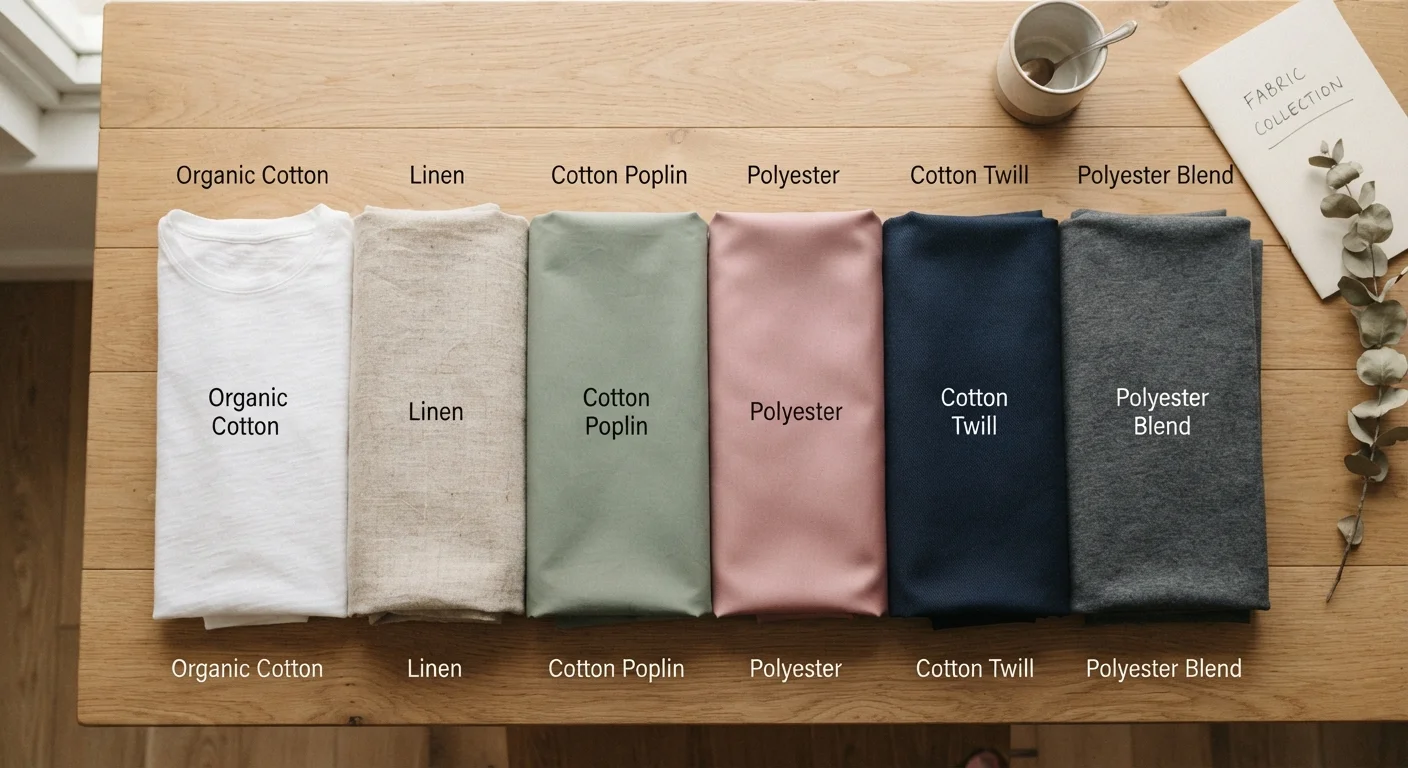
Photo: SaverSteals.com editorial
—— In This Article
Key Takeaways
- Natural fibers like cotton and linen tend to breathe better and feel softer directly against skin.
- Synthetics such as polyester and nylon are generally more durable, moisture-wicking, and wrinkle-resistant.
- Blended fabrics combine properties of both, offering a middle ground for everyday wear.
- Care requirements differ significantly — natural fibers can shrink or fade, while synthetics may pill or trap odors.
- Neither category is universally better; the right choice depends on climate, activity, and personal preference.
- Reading clothing labels carefully helps you predict comfort, longevity, and care needs before you buy.
What Are We Actually Comparing?
Walk into any clothing store and you'll encounter a quiet battle playing out on every tag: natural fibers like cotton, linen, wool, and silk on one side; synthetic fabrics like polyester, nylon, acrylic, and spandex on the other. Most everyday garments use one, the other, or a blend of both — and knowing the difference is one of the most practical style skills you can develop.
Natural fibers come from plants or animals. Cotton is harvested from the cotton plant; linen from the flax plant; wool from sheep; silk from silkworm cocoons. Synthetic fibers, by contrast, are manufactured from chemical compounds, usually derived from petroleum. Polyester and nylon were both developed in the mid-20th century and quickly transformed the clothing industry. For a deeper dive into what those label abbreviations actually mean, see our fabric glossary — it breaks down every fiber you're likely to encounter on a clothing tag.
| Criterion | Natural Fibers | Synthetic Fabrics |
|---|---|---|
| Breathability | Generally high (esp. cotton, linen) | Varies; lower in everyday use |
| Moisture-wicking | Absorbs moisture (holds it) | Wicks moisture away quickly |
| Durability | Moderate; varies by fiber | High; resists pilling and fading |
| Wrinkle resistance | Low (linen, cotton wrinkle easily) | High; holds shape well |
| Ease of care | Needs more attention (shrinkage risk) | Generally easy to machine wash |
| Skin feel | Soft, less likely to irritate | Can feel less natural; varies by fabric |
| Odor retention | Lower odor retention | Can trap odors over time |
| Environmental footprint | Biodegradable; farming impact varies | Petroleum-based; microplastic shedding |
Comfort, Breathability, and Skin Feel
This is where natural fibers tend to shine. Cotton is soft, absorbs perspiration, and allows air to circulate — which is why it's the default choice for T-shirts, underwear, and casual wear. Linen is even more breathable, though it wrinkles more readily. Wool is a standout for temperature regulation: it insulates in cold air and wicks moisture efficiently, making it more versatile than many people expect.
Synthetics have made major strides in comfort, especially in activewear. Modern polyester fabrics are engineered to wick sweat away from the skin quickly — a property called moisture management — making them genuinely excellent for workouts and outdoor activity. The trade-off is that in everyday, low-activity settings, synthetics can feel less breathable and may trap body odor over time more than natural fibers do.
~65%
Share of global fiber production that is synthetic
According to Textile Exchange's Preferred Fiber & Materials Market Report, synthetic fibers — led by polyester — account for the majority of all fiber produced globally.
700,000+
Microplastic fibers shed per synthetic wash cycle
Research published in environmental science journals estimates that a single synthetic garment can shed hundreds of thousands of plastic microfibers in one washing machine cycle.
Blended fabrics — say, a 60% cotton / 40% polyester T-shirt — aim to capture the softness of cotton with the durability and shape-retention of polyester. These are among the most common fabrics in everyday casual clothing for good reason.
Durability, Care, and Longevity
Synthetics generally win on durability. Polyester and nylon resist pilling, stretching, and fading better than most natural fibers. They're also typically machine-washable without special handling. If you're building a wardrobe of workhorses — clothes you'll wear repeatedly and wash often — synthetics hold up reliably over time.
Natural fibers require more attention. Cotton can shrink in high heat; linen wrinkles aggressively; wool may felt if agitated wet. Silk is especially delicate. That said, well-cared-for natural fiber garments can last for many years and often improve in softness with age. If you're assembling a everyday wardrobe from scratch, factoring in care requirements alongside upfront cost gives you a more accurate sense of long-term value.
A Note on Fabric Blends
Most everyday clothing isn't purely natural or purely synthetic — it's a blend of both. A cotton-polyester mix, for example, is engineered to reduce shrinkage while preserving some breathability. When reading labels, the fiber listed first makes up the largest percentage of the fabric. Understanding blends helps you predict how a garment will feel, perform, and age — well before you've worn it once.
Environmental and Practical Considerations
The sustainability picture for both categories is genuinely complicated. Natural fibers are biodegradable and renewable, but conventional cotton farming is water-intensive and relies heavily on pesticides. Organic cotton and linen are lower-impact alternatives. Synthetics, meanwhile, are derived from fossil fuels and shed tiny plastic particles — called microplastics — during washing, which enter waterways. Recycled polyester (made from plastic bottles or post-consumer waste) reduces but doesn't eliminate this concern.
There's no clear-cut "green" winner, and any claim suggesting otherwise deserves scrutiny. What you can control: buying garments you'll actually wear long-term, caring for them properly to extend their life, and making the most of what you already own before adding anything new. Fabric type is just one piece of a much larger puzzle.

Style Editorial Team
Style Editorial Team is the collective byline for our editorial team and contributor network. Articles published under this byline or an editorial pen name are researched, written, and reviewed according to our editorial standards for clarity, consistency, and independence before publication.
View author profile