
Skincare Ingredient Layering: What Pairs Well and What Doesn't
Mixing the wrong active ingredients can reduce their effectiveness or irritate skin. Here's a practical guide to common combinations to embrace or avoid.
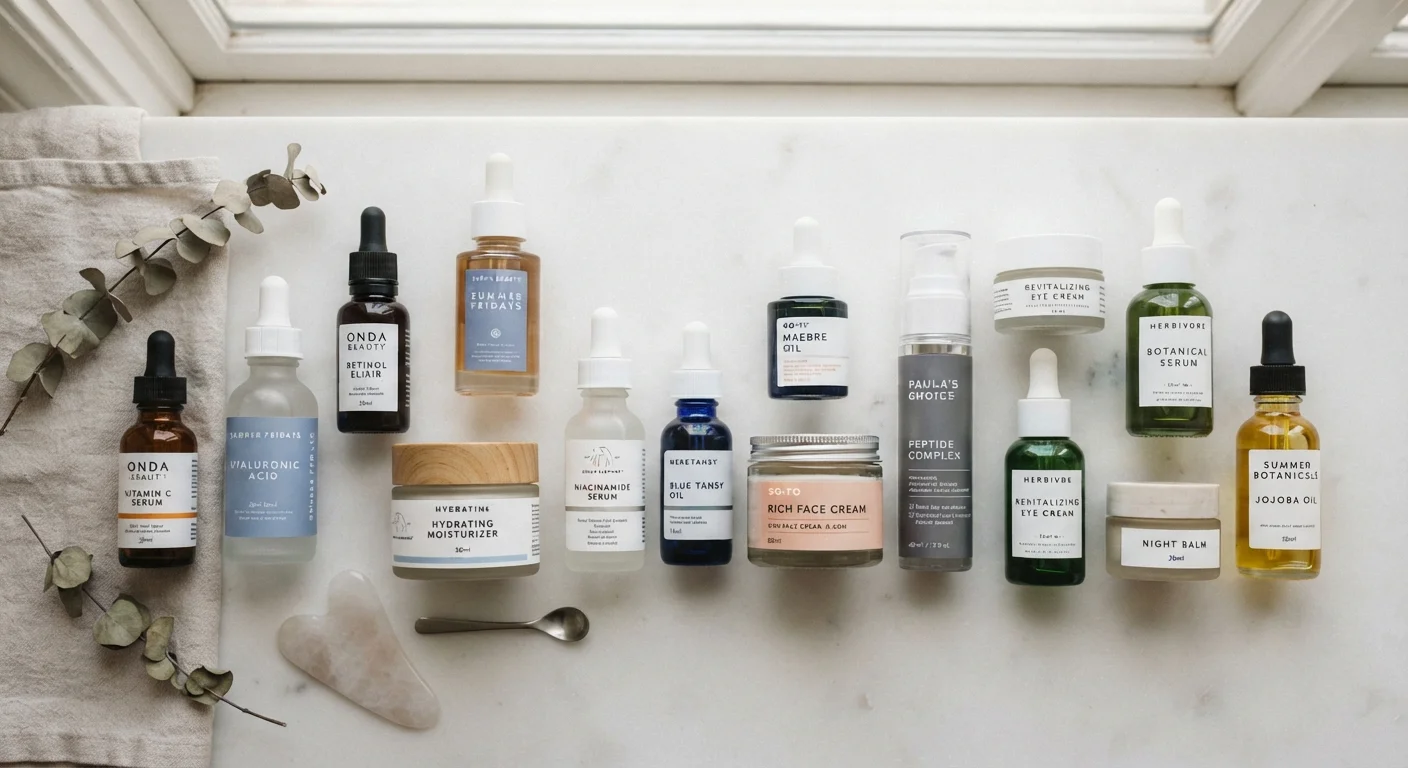
Photo: SaverSteals.com editorial
—— In This Article
Key Takeaways
- Layering incompatible active ingredients can reduce their effectiveness or cause skin irritation.
- Some powerhouse pairings — like vitamin C with SPF or hyaluronic acid with retinol — actively enhance each other.
- pH levels matter: acids and certain actives work best when applied at specific skin pH ranges.
- When in doubt, separate conflicting actives into AM and PM routines rather than skipping one entirely.
- Patch testing a new combination before full-face application helps catch reactions early.
Why Ingredient Layering Matters More Than You Think
Building a skincare routine isn't just about which ingredients you use — it's about how they interact when they share the same skin. Some combinations amplify each other's benefits. Others neutralize them, or worse, create unnecessary irritation. Getting familiar with a few basic rules can make a real difference in what your routine actually delivers.
If you're still figuring out the foundational order of application, our guide to cleanser, moisturizer, and SPF layering walks through the building blocks. This article goes a layer deeper — literally — into active ingredient interactions.
~70%
Adults who use multiple skincare actives simultaneously
Consumer surveys in the skincare category consistently show a large majority of users layer multiple active ingredients, often without guidance on compatibility.
3–4
Optimal pH range for AHA/BHA exfoliants to work effectively
Cosmetic chemists generally note that alpha- and beta-hydroxy acids require a low skin-surface pH to perform their exfoliating function properly.
Combinations That Actually Work Together
Some pairings have strong evidence behind them and are worth building into your routine intentionally:
Pair vitamin C (L-ascorbic acid) with SPF in your morning routine
Vitamin C is an antioxidant that helps neutralize free radicals from UV and pollution exposure. Used before sunscreen, it can enhance your skin's overall defense against daytime oxidative stress. The two work through different mechanisms and don't interfere with each other.
Layer hyaluronic acid underneath or alongside retinol
Retinol can cause dryness and flaking, especially when you're first introducing it. Hyaluronic acid (HA) is a humectant — it draws moisture to the skin — and helps buffer some of that dryness without interfering with retinol's mechanism of action.
Use niacinamide alongside most actives as a calming, barrier-supporting ingredient
Niacinamide (vitamin B3) is notably versatile and well-tolerated. It supports the skin barrier, helps manage excess oil, and plays nicely with the majority of other skincare actives — making it a useful addition to routines that already include stronger ingredients.
Combine ceramides and peptides in the same moisturizing step
Ceramides are lipids that help restore and reinforce the skin barrier, while peptides are amino acid chains that can support skin structure and firmness. Neither competes with the other, and barrier repair and structural support are genuinely complementary goals.
Apply AHA or BHA exfoliants at the correct pH window — and alone
Alpha-hydroxy acids (like glycolic and lactic acid) and beta-hydroxy acids (like salicylic acid) work most effectively at a low skin pH, roughly between 3 and 4. Layering another product directly over an acid before it has time to absorb can raise the pH and reduce its efficacy.
Combinations to Avoid — or At Least Separate
Just as important as knowing what to combine is knowing what to keep apart. A few pairings are genuinely problematic:
- Retinol + AHAs/BHAs at the same time: Layering retinol (a vitamin A derivative) directly with alpha-hydroxy acids like glycolic acid or beta-hydroxy acids like salicylic acid can tip sensitive skin toward redness, peeling, and disrupted barrier function. Most dermatologists suggest using them on alternating nights rather than simultaneously. For a deeper look at retinol specifically, see our retinol overview before working it into your stack.
- Vitamin C + AHAs: Both are acidic, and the combination can overwhelm skin that isn't already used to actives. If you use both, consider vitamin C in the morning and your acid toner or exfoliant at night.
- Benzoyl peroxide + Retinol: Benzoyl peroxide can oxidize retinol, reducing its effectiveness — and stacking two potent actives spikes irritation risk significantly.
- Multiple exfoliating acids at once: More isn't better here. Combining several AHAs or mixing AHAs with BHAs in the same step can over-exfoliate the skin barrier.
The "Separate Nights" Strategy
If you want to use both retinol and an exfoliating acid but are worried about irritation, try alternating them on different nights rather than combining or cutting one out entirely. Monday, Wednesday, and Friday for your acid; Tuesday and Thursday for retinol is one common starting structure. Give your skin a few weeks to adjust before increasing frequency.
Not sure what's actually in your products? Our plain-language guide to ingredient labels breaks down how to read an INCI list without a chemistry background.
The AM vs. PM Strategy: Your Simplest Fix
One of the most practical ways to use conflicting actives without giving any of them up is to assign them to different parts of the day. This approach also aligns with how some ingredients naturally perform:
- Morning: Antioxidants like vitamin C, niacinamide, and SPF-boosting combinations thrive here, where protecting skin from daytime environmental stressors matters most.
- Night: Retinol, stronger exfoliating acids, and repair-focused ingredients belong in the PM routine — they're photosensitizing or work best during the skin's natural overnight recovery cycle.
Our AM vs. PM skincare breakdown explains in detail why the timing of your routine is nearly as important as the products in it.
Building a Smarter Routine From Here
You don't need a ten-step routine or a shelf full of serums to get results — you need a routine where every product is working as intended. Start by identifying the two or three actives most relevant to your skin concerns, then check whether they're compatible before layering them.
If you're spending money on well-formulated products, knowing they're actually delivering is worth the small upfront investment of learning these pairings. For perspective on what actually drives formulation quality regardless of price, our drugstore vs. department store formulas article may surprise you.
Formulation Matters, Not Just Ingredients
The same active ingredient can behave differently depending on how a product is formulated — concentration, pH, delivery system, and what it's combined with inside the bottle all matter. Two products listing the same hero ingredient may not perform identically when layered with the same routine. If you're curious about what actually separates formulas, our look at drugstore vs. department store formulas explores what's driving real differences.
This article is for general informational purposes only and is not a substitute for advice from a licensed dermatologist or healthcare provider. If you experience persistent irritation, allergic reactions, or skin concerns, consult a qualified professional.

Style Editorial Team
Style Editorial Team is the collective byline for our editorial team and contributor network. Articles published under this byline or an editorial pen name are researched, written, and reviewed according to our editorial standards for clarity, consistency, and independence before publication.
View author profile