
Hair Loss in Women: Patterns, Causes, and When to See a Doctor
Female hair loss takes many forms. This overview explains common causes, what distinguishes them, and why early evaluation matters. Not medical advice.
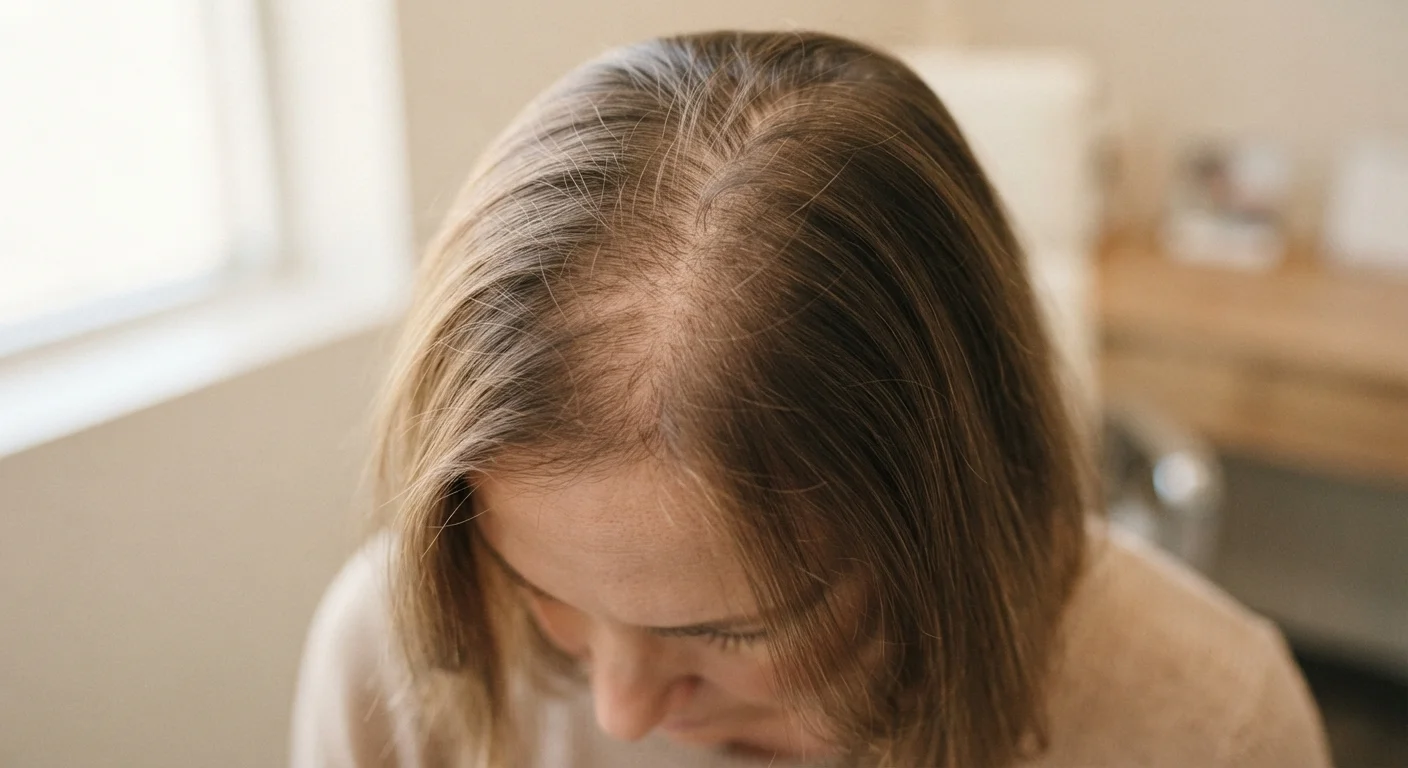
Photo: SaverSteals.com editorial
—— In This Article
Key Takeaways
- Female hair loss has multiple causes — pattern, hormonal, nutritional, and stress-related — that require different approaches.
- Widening parts, increased shedding, and scalp visibility are early signs worth paying attention to.
- Many reversible causes of hair loss, like nutritional deficiencies or thyroid issues, respond well to treatment when caught early.
- A dermatologist or primary care provider can run targeted tests to identify the root cause.
- Styling choices and scalp health can influence long-term hair density over time.
The Patterns: What Female Hair Loss Actually Looks Like
Hair loss in women rarely looks exactly like it does in men, which is one reason it can go unrecognized for longer. The most common forms include:
- Diffuse thinning across the crown — the hallmark of female pattern hair loss, where the part widens gradually while the frontal hairline usually stays intact.
- Patchy loss (alopecia areata) — round or oval bald spots that can appear anywhere on the scalp, caused by an autoimmune response.
- Traction alopecia — hairline recession or breakage concentrated near tension points from tight or repeated styles. See our guide to protective styles and long-term hair health for what to watch for when styling.
- Telogen effluvium — diffuse, temporary shedding triggered by physical or emotional stress, illness, surgery, or rapid weight change.
Distinguishing between these patterns matters because they have different causes — and very different paths forward.
Common Causes Behind the Thinning
Hair loss is rarely a single-cause problem. The most frequently identified contributors in women include:
~40%
Women experiencing visible hair loss by age 40
Research published in dermatology literature suggests roughly 40% of women show some signs of hair thinning by their 40s, making it far more common than many realize.
50–100
Hairs shed per day in normal cycle
The American Academy of Dermatology notes that shedding 50–100 hairs daily is within the normal hair growth cycle range.
3–6 months
Typical delay before shedding after a trigger
Telogen effluvium-related shedding commonly begins months after the triggering stress event, which is why the connection isn't always obvious.
Hormonal Shifts
Pregnancy, postpartum recovery, perimenopause, and conditions like polycystic ovary syndrome (PCOS) all affect hormone levels in ways that can disrupt the hair growth cycle. Thyroid dysfunction — both overactive and underactive — is another common hormonal culprit.
Nutritional Gaps
Low ferritin (iron stored in the body), inadequate protein intake, and deficiencies in nutrients like zinc, biotin, and vitamin D have been associated with increased shedding. This doesn't mean supplements are the automatic answer — understanding which nutrients are actually low requires testing. Our article on signs your diet may be missing key nutrients explains what symptoms warrant a closer look.
Genetics
Female pattern hair loss has a strong hereditary component. If close relatives on either side of your family experienced thinning, your own risk may be elevated.
Medications and Medical Conditions
Certain medications — including some blood pressure drugs, antidepressants, and chemotherapy agents — list hair loss as a known side effect. Autoimmune conditions like lupus can also affect the scalp and follicles.
Track Changes Before Your Appointment
Taking photos of your part and hairline in consistent lighting every few weeks can give both you and your provider a clearer picture of whether — and how fast — changes are occurring. It's a simple habit that makes evaluations more productive.
When to Seek Evaluation — and What to Expect
Hair loss can feel distressing, but it's also one of the conditions where early action genuinely pays off. If you notice a widening part, a significant uptick in daily shedding that persists beyond a few weeks, visible scalp, or patchy areas, scheduling a visit with a dermatologist or your primary care provider is a worthwhile next step.
“Hair loss in women is underdiagnosed in part because patients feel embarrassed to bring it up, and because physicians don't always ask. A brief conversation can open the door to real solutions.”
— Dr. Wilma Bergfeld, Dermatologist and hair disorder specialist, Cleveland Clinic
During an evaluation, a provider may perform a scalp examination, review your medical history and any recent life stressors, and order bloodwork to screen for hormonal or nutritional factors. Before your appointment, it helps to note when you first noticed changes, how your hair feels (brittle, dry, or normal texture), and any other symptoms you've experienced. Our pre-appointment assessment guide can help you organize your hair observations before walking in.
Treatment — if recommended — depends entirely on what's driving the loss. That's why self-diagnosing and reaching for supplements without guidance isn't always the most effective route. A targeted approach based on real findings tends to be more useful than guesswork.
This article is for informational purposes only and is not medical advice. If you are experiencing hair loss or any related symptoms, please consult a qualified healthcare professional for personalized evaluation and guidance.
Frequently Asked Questions

Style Editorial Team
Style Editorial Team is the collective byline for our editorial team and contributor network. Articles published under this byline or an editorial pen name are researched, written, and reviewed according to our editorial standards for clarity, consistency, and independence before publication.
View author profile