
Wardrobe Mistakes That Make Getting Dressed Harder Than It Needs to Be
From hoarding unworn pieces to chasing trends without a plan, these common wardrobe habits quietly make daily dressing more stressful.
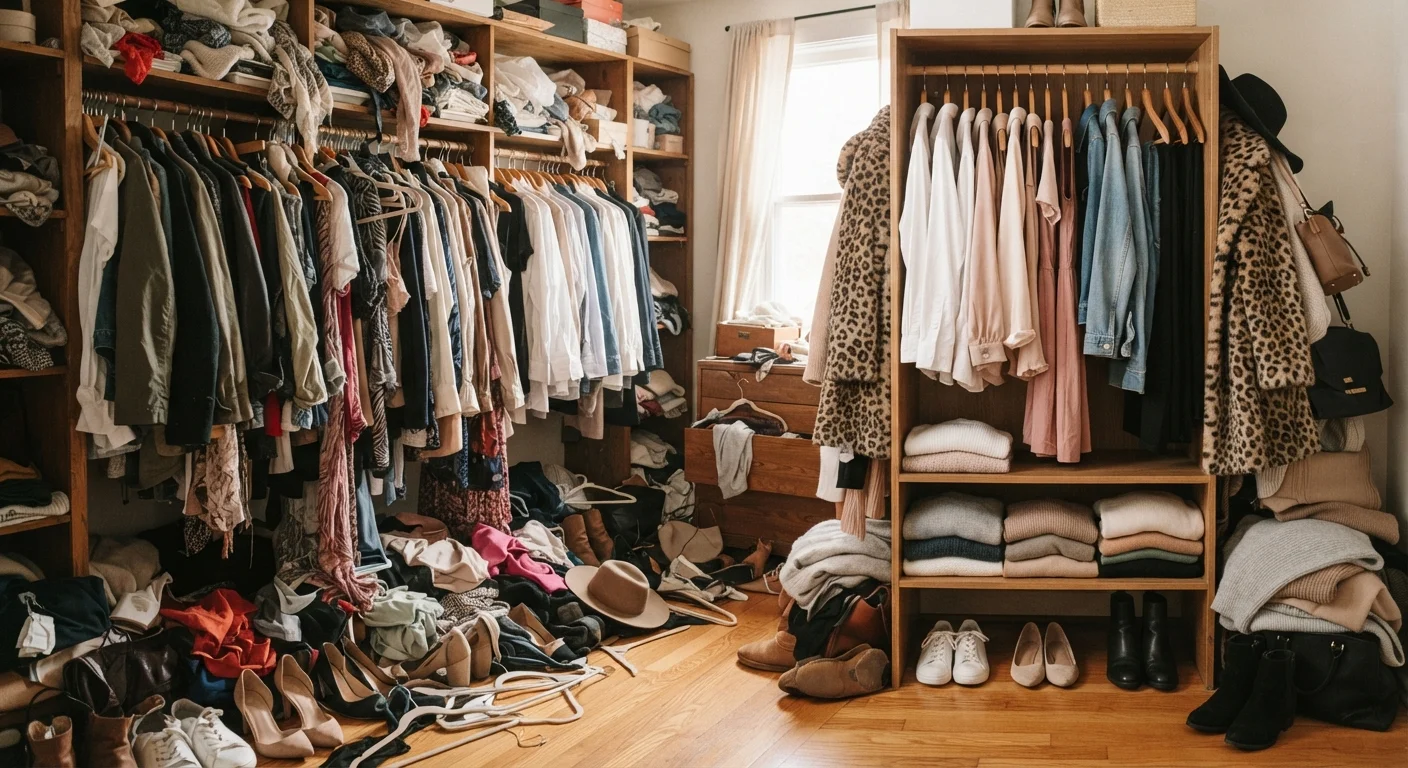
Photo: SaverSteals.com editorial
—— In This Article
Key Takeaways
- Owning too many clothes can actually make daily dressing harder, not easier.
- Buying items without a clear outfit plan leaves them unworn and your wardrobe fragmented.
- Ignoring fit is one of the most common reasons good clothes feel unwearable.
- A wardrobe built around your real life — not an idealized one — takes far less mental energy to use.
- Small habit shifts, like regular closet edits, can dramatically reduce morning decision fatigue.
Why Getting Dressed Feels So Hard
A full closet should make mornings easier. More often, it does the opposite. When a wardrobe is stacked with items that don't fit, don't coordinate, or don't match your actual lifestyle, the sheer volume becomes its own obstacle. Decision fatigue sets in before you've even had coffee.
The good news: most wardrobe friction comes from a handful of identifiable habits — and they're all fixable. Understanding why these patterns develop is the first step toward a closet that actually works for you, not against you.
~80%
Clothes worn only 20% of the time
A commonly cited wardrobe behavior pattern suggests most people regularly wear only a small fraction of what they own — often described as the 80/20 rule of closet use.
1 in 3
Purchases regretted within months
Research from consumer behavior studies has found that a significant share of clothing purchases are later regretted, often due to impulse buying or poor outfit integration.
The Most Common Wardrobe Mistakes (and How to Fix Them)
These aren't obscure errors made by people who don't care about style. They're the everyday habits that quietly accumulate until your wardrobe stops functioning. Sound familiar? You're in good company.
Keeping clothes 'just in case' without wearing them.
Why it happens: Letting go of clothing can feel wasteful, especially if an item was expensive or holds sentimental value. The 'just in case' mindset makes every piece feel like it might be needed someday.
Buying trend pieces with no plan for how they'll fit into existing outfits.
Why it happens: Trend-driven shopping is exciting, and retailers are skilled at presenting items in isolation — on a perfectly styled model, with no context for your actual wardrobe.
Ignoring fit and assuming alterations are only for expensive garments.
Why it happens: Many people assume tailoring is a luxury reserved for suits or formal wear. Off-the-rack sizing also varies wildly between brands, making a good fit feel like luck.
Shopping without a cost-per-wear mindset, leading to low-value, high-volume buying.
Why it happens: A low price tag feels like a win in the moment, but inexpensive items worn once or twice ultimately cost more per use than a pricier piece worn regularly.
Building a wardrobe around an idealized lifestyle rather than your actual one.
Why it happens: We often buy for who we want to be — the person who attends formal dinners, goes hiking every weekend, or dresses up daily for work — rather than our real, everyday routine.
Overcomplicating outfits with too many accessories, losing visual cohesion.
Why it happens: Accessories can feel like a quick fix for an outfit that isn't working, leading to layering more and more elements without a clear intention.
Fit Matters More Than Anything Else
No styling trick, color palette, or trend investment outperforms a well-fitted garment. Clothes that don't fit properly — regardless of price or brand — will consistently be passed over. Tailoring even one or two key pieces can transform how much you reach for them.
If you're not sure where your wardrobe currently stands, a structured closet audit is a practical place to begin — before adding a single new piece.
Rethinking How You Add to Your Wardrobe
Most wardrobe problems don't start in the closet — they start at the point of purchase. Impulse buys, trend-chasing, and aspirational shopping all feel justified in the moment but compound over time into a closet that's full yet frustrating.
Aspirational Shopping Drains Real-Life Wardrobes
Buying for the life you imagine rather than the one you live is one of the fastest ways to fill a closet with things that never get worn. Before purchasing, ask yourself honestly: how many times in the next month would I actually wear this? If you're drawing a blank, that's your answer.
If you're curious whether a more structured approach might suit you, it's worth exploring what a capsule wardrobe actually involves — a framework that prioritizes intentionality over volume. And for those interested in shopping smarter from the ground up, the smart shopping hub offers practical guidance on spending more deliberately across any category.
The goal isn't a minimalist wardrobe or a perfectly curated aesthetic — it's a closet where everything earns its place, and getting dressed in the morning feels like a low-stakes decision rather than an obstacle course.

Style Editorial Team
Style Editorial Team is the collective byline for our editorial team and contributor network. Articles published under this byline or an editorial pen name are researched, written, and reviewed according to our editorial standards for clarity, consistency, and independence before publication.
View author profile