
Grooming for Textured Hair: Terminology, Tools, and Techniques
A practical reference covering curl types, shrinkage, co-washing, LOC method, and the tools commonly used in textured hair care routines.
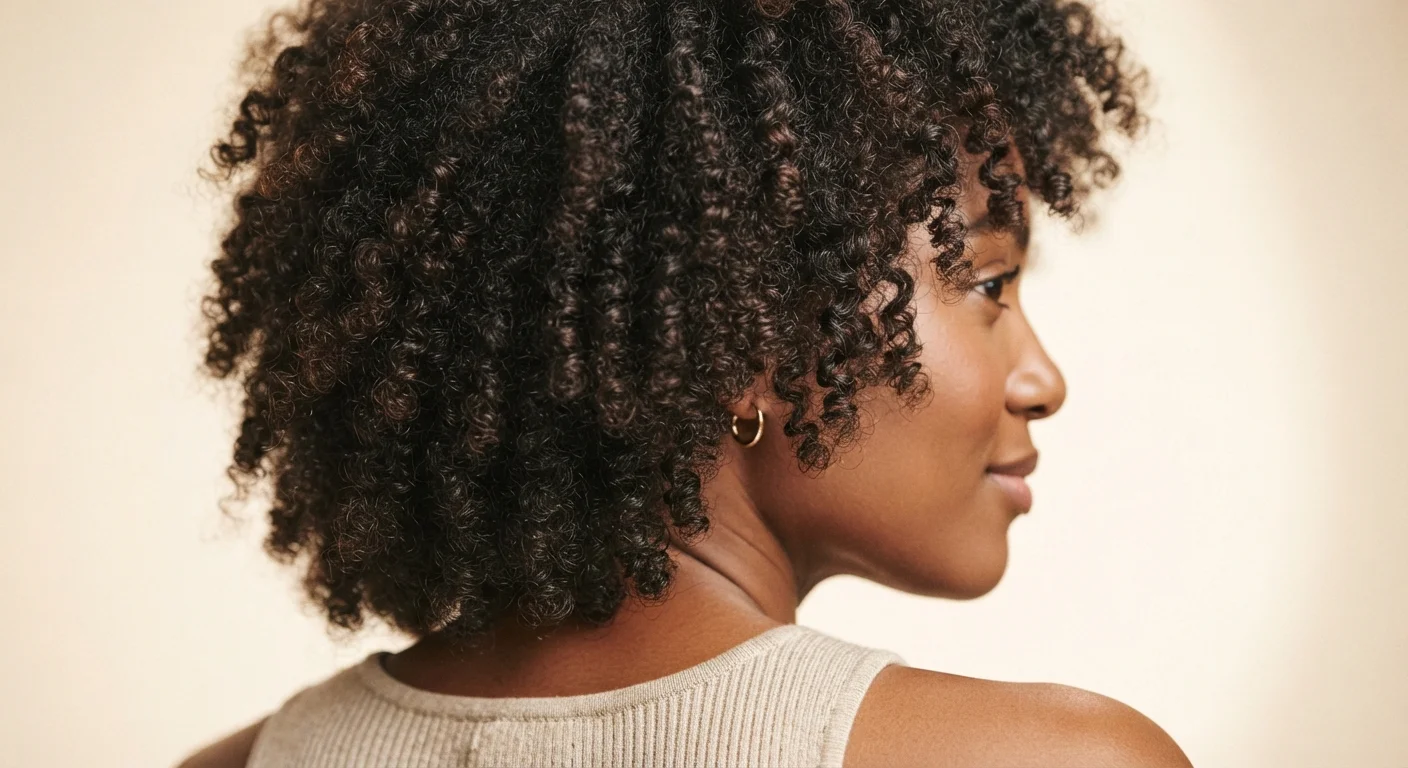
Photo: SaverSteals.com editorial
—— In This Article
Understanding Curl Type and Hair Texture
The most widely referenced curl classification system breaks hair into four broad categories — straight (Type 1), wavy (Type 2), curly (Type 3), and coily or kinky (Type 4) — with letter subcategories (a, b, c) indicating tightness of the curl pattern within each type. These labels are a useful starting point, but they're not the whole picture. Two people with the same curl type can have wildly different needs depending on their hair's porosity, density, and elasticity.
Understanding porosity, elasticity, and density is arguably more actionable than curl typing alone. Low-porosity hair resists moisture absorption; high-porosity hair absorbs quickly but loses moisture just as fast. Knowing where you fall on that spectrum shapes every product and technique choice you make.
| Curl type range | Types 1–4, with subcategories a, b, c (Andre Walker Hair Typing System) |
| Shrinkage in Type 4 hair | Up to 75% of actual length (General consensus in textured hair care communities) |
| Recommended detangling tool | Wide-tooth comb or fingers on wet, conditioned hair |
| Common wash frequency | Weekly to biweekly for many Type 3–4 routines |
| LOC method stands for | Liquid, Oil, Cream |
| Protective overnight option | Satin or silk bonnet or pillowcase |
Shrinkage is a term that describes how much shorter hair appears when dry compared to its wet, stretched length. Type 4 hair can shrink up to 75% of its actual length — which is a sign of healthy curl spring, not a problem to fix.
Key Terms Every Textured Hair Routine Uses
Co-washing
Cleansing the hair with conditioner instead of shampoo. It rinses away surface dirt and sweat while preserving natural oils, making it popular among those with dry or highly textured hair.
LOC Method
A moisture-layering technique using a Liquid, Oil, and Cream applied in sequence. Each layer serves a purpose: the liquid hydrates, the oil seals, and the cream locks moisture in.
Shrinkage
The difference between hair's wet, stretched length and its dry, natural coiled length. High shrinkage is characteristic of tightly coiled hair and indicates strong curl elasticity.
Porosity
The hair's ability to absorb and retain moisture, determined by the state of the cuticle layer. Low porosity resists moisture; high porosity absorbs quickly but also loses moisture fast.
Deep Conditioning
Applying a rich, penetrating conditioner — often with heat — for an extended time to improve elasticity, softness, and manageability. A common practice in textured hair routines.
Protective Style
A hairstyle that tucks away the ends of the hair to minimize daily manipulation and environmental exposure. Examples include braids, twists, buns, and locs.
Detangling
The process of removing knots and tangles from the hair, typically done on wet, conditioned hair using fingers or a wide-tooth comb, working from ends toward roots.
Clarifying Shampoo
A stronger cleansing shampoo used periodically to remove product buildup, hard water minerals, and excess oils that regular or sulfate-free shampoos may leave behind.
These definitions come up constantly in textured hair communities and on product labels. Knowing what they actually mean helps you evaluate routines and instructions on their own merits rather than guessing.
The LOC method (Liquid, Oil, Cream) is a layering sequence designed to lock moisture into the hair shaft. You apply a water-based liquid first, then an oil to seal, then a cream to lock everything in. Some people follow the LCO method (Liquid, Cream, Oil) instead — the order difference changes how the cream and oil interact with the hair's cuticle, which can matter depending on your porosity level.
If split ends are a recurring concern, our guide to trimming vs. treating split ends explains what actually works at the structural level.
Essential Tools for a Textured Hair Routine
The right tools reduce mechanical damage significantly — and for textured hair, where each twist and coil is a potential breakage point, that matters a lot.
- Wide-tooth comb: Detangles wet or conditioned hair with less tension than fine-tooth combs. Work from ends to roots.
- Denman-style brush or flexi brush: Defines curls and distributes product evenly. Different brush tensions suit different curl tightness levels.
- Microfiber towel or cotton T-shirt: Reduces frizz caused by the rough texture of terry cloth. Scrunch, don't rub.
- Diffuser attachment: Distributes airflow from a blow dryer without disrupting the curl pattern. Low heat settings are standard practice.
- Satin or silk bonnet/pillowcase: Protects moisture and curl shape overnight by reducing friction against cotton fibers.
- Spray bottle: Used for refreshing curls between wash days with water or a diluted leave-in mix.
Tools Work Best When Your Routine Is Consistent
Even the most specialized brush or bonnet won't compensate for an inconsistent routine. Textured hair tends to respond better to regular, gentle care than to occasional intensive treatment. Start simple, observe how your hair responds, and build from there.
If you're just getting started with an intentional grooming practice, our guide to building a grooming routine from scratch walks through the foundational steps before you specialize.
Cleansing and Conditioning Approaches
Traditional shampoos with sulfates can strip natural oils more aggressively than textured hair — especially Type 3 and 4 — typically needs. That's why many people with textured hair use co-washing (washing with conditioner only) between or instead of regular shampoo sessions. Co-washing maintains moisture but doesn't fully remove buildup, so most routines cycle in a clarifying or sulfate-free shampoo periodically.
For a deeper look at how cleansing chemistry affects curl patterns, see our comparison of sulfate-free vs. traditional shampoo.
Deep conditioning — applying a thick, penetrating conditioner with heat or extended time — is a staple for maintaining elasticity in textured hair. Regular deep conditioning sessions (often weekly or biweekly) help reduce breakage and improve manageability. Once your care routine is consistent, exploring protective styles and their role in long-term hair health is a natural next step for retaining length.
Up to 75%
Shrinkage possible in tightly coiled Type 4 hair
Shrinkage is a natural indicator of curl spring and elasticity, not a sign of damage or stunted growth.
3 layers
Steps in the LOC moisture method
Liquid, oil, and cream are applied in sequence to maximize moisture retention, especially in low-humidity environments.

Style Editorial Team
Style Editorial Team is the collective byline for our editorial team and contributor network. Articles published under this byline or an editorial pen name are researched, written, and reviewed according to our editorial standards for clarity, consistency, and independence before publication.
View author profile