
What Makeup Primers Actually Do — and When You Genuinely Need One
Primers are marketed as essential, but the truth is more nuanced. Learn what they're designed to do and whether your routine needs one.
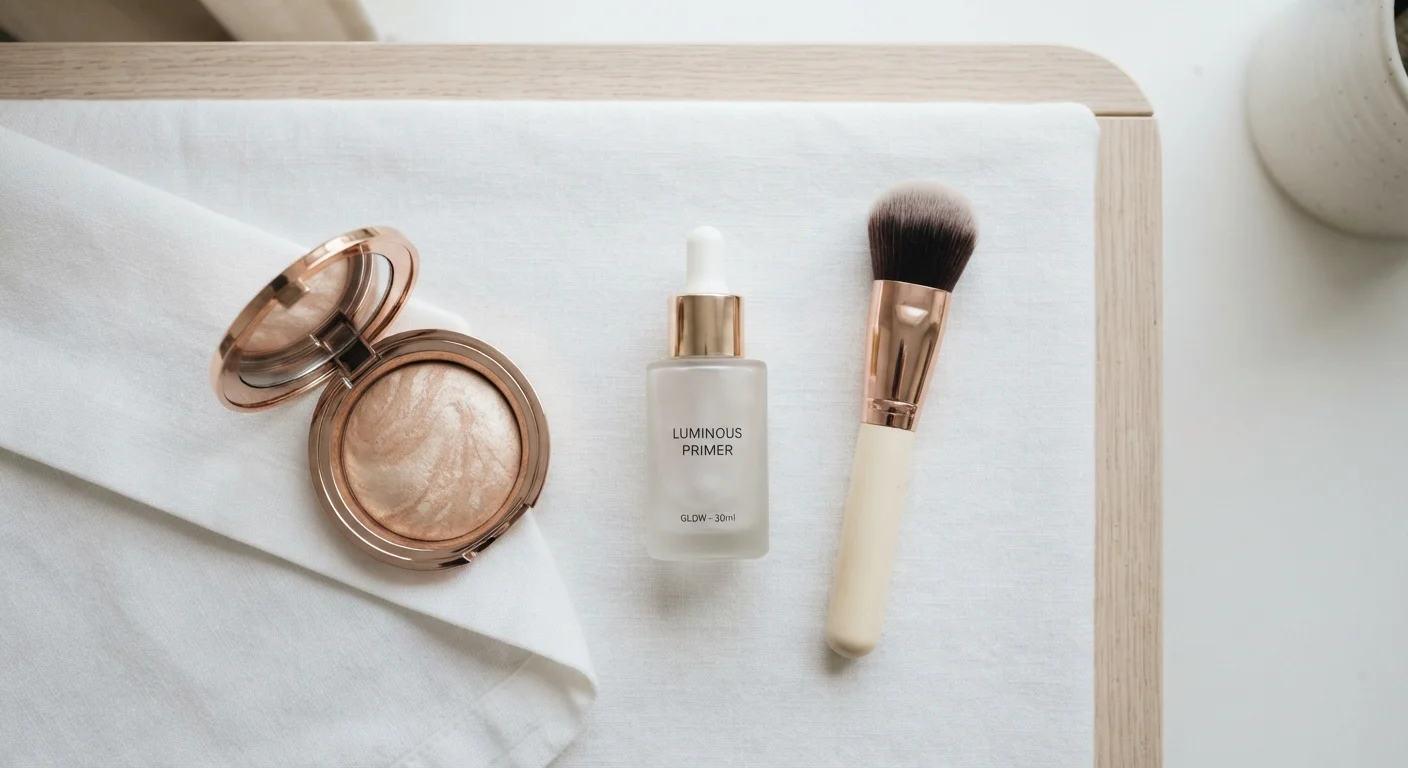
Photo: SaverSteals.com editorial
—— In This Article
Key Takeaways
- Primers create a smoother base between skincare and makeup — they don't fix underlying skin concerns.
- Not everyone needs a primer; well-moisturized skin and a good foundation formula can often perform without one.
- Different primer types target different concerns — shine, texture, hydration, or color — so the category is not one-size-fits-all.
- Mixing incompatible primer and foundation formulas (e.g., silicone with water-based) can actually make wear worse.
- Price is not a reliable indicator of primer performance; formula compatibility matters far more.
The Real Job of a Primer
Strip away the marketing language and a primer has one straightforward function: it sits between your skincare and your makeup to make the surface of your skin more cooperative. That might mean softening the look of large pores, reducing the slip that causes foundation to slide, or adding a hydrating cushion so powder products don't cling to dry patches.
What a primer cannot do is treat or change your actual skin. Blurred pores in a selfie disappear when the primer wears off; the pore itself is unchanged. Think of primer the same way you'd think about ironing a shirt — it improves the surface presentation without altering the fabric underneath.
For a fuller picture of how prep products fit into a complete routine, see our everyday skincare routine guide, which covers why layering products in the right order makes a real difference.
~60 sec
Recommended primer setting time before foundation
Beauty educators and cosmetic chemists commonly recommend allowing at least 60 seconds for primer to fully set on skin before applying foundation, reducing pilling risk.
2 types
Core primer base categories (silicone vs. water-based)
Most primers fall into silicone-based or water-based formulas — understanding which you're using is the single most important factor in avoiding compatibility issues with your foundation.
When a Primer Actually Makes a Difference
Primer earns its place in a few specific situations. Oily skin is probably the strongest use case: a mattifying formula genuinely helps absorb excess sebum and extend how long foundation looks fresh — especially in warm or humid weather. People with very textured skin (enlarged pores, fine lines) often find silicone-based primers visually smooth those areas under a camera or bright lighting.
Long events — a wedding, a full workday, an outdoor festival — are another moment when primer can pay off. The longer makeup needs to perform, the more worthwhile an extra adhesion step becomes.
On the flip side, if your typical day is eight hours or fewer, your skin is reasonably well-balanced, and your foundation already applies evenly, a primer may add time and cost without a noticeable return.
Test Primer Alone First
Before adding primer to your full routine, try wearing it on bare, moisturized skin for a day. This helps you understand the texture and finish it creates — and whether your skin actually responds well to it — before layering foundation on top adds another variable.
Formula Compatibility: The Detail Most People Skip
One of the most common primer complaints — "my makeup pills" or "it looks patchy" — traces back to a simple mismatch: silicone-based primers paired with water-based foundations, or vice versa. Because these formulas don't blend well together, they can separate on the skin rather than bonding into a smooth layer.
A quick rule of thumb: check the ingredient list of both products. If your primer leads with dimethicone, your foundation should also be silicone-tolerant. If you prefer water-based makeup, look for a water-based primer. When in doubt, allow the primer to fully set — at least 60 seconds — before applying anything on top. Rushing this step is responsible for more primer failures than the formula itself.
It's also worth noting that price rarely predicts compatibility. As we explore in our piece on drugstore vs. department store formulas, what matters is what's in the bottle, not what's on the price tag.
Building Your Routine Without Overwhelm
If you're just getting started with makeup, primer is genuinely optional. A complete, functional kit doesn't require one — and adding a product you don't need just creates more variables to troubleshoot. Our guide to building a simple makeup kit from scratch takes exactly this approach: practical over aspirational.
If you do decide to try a primer, start with a single-purpose formula that matches your skin's primary concern — shine control, hydration, or texture — rather than a multi-claim "does everything" version. Give it two weeks of consistent use under the same conditions before deciding whether it's working.
And remember: whatever goes on first needs to come off thoroughly at the end of the day. Silicone-based primers in particular can be stubborn. See our guide to effective makeup removal for how to make sure your cleanse is actually getting the job done.
Primer Is Not a Skincare Step
Primers are cosmetic products, not skincare treatments. They sit on top of the skin rather than absorbing into it, so they don't deliver active ingredients in the way serums or moisturizers do. If a primer claims to "treat" skin concerns, it's worth reading the fine print — the effect is typically visual and temporary, not structural.
Frequently Asked Questions

Style Editorial Team
Style Editorial Team is the collective byline for our editorial team and contributor network. Articles published under this byline or an editorial pen name are researched, written, and reviewed according to our editorial standards for clarity, consistency, and independence before publication.
View author profile