
Sunscreen Myths That Dermatologists Wish Would Disappear
From "darker skin doesn't need SPF" to "SPF in makeup is enough" — common sunscreen misconceptions set straight.
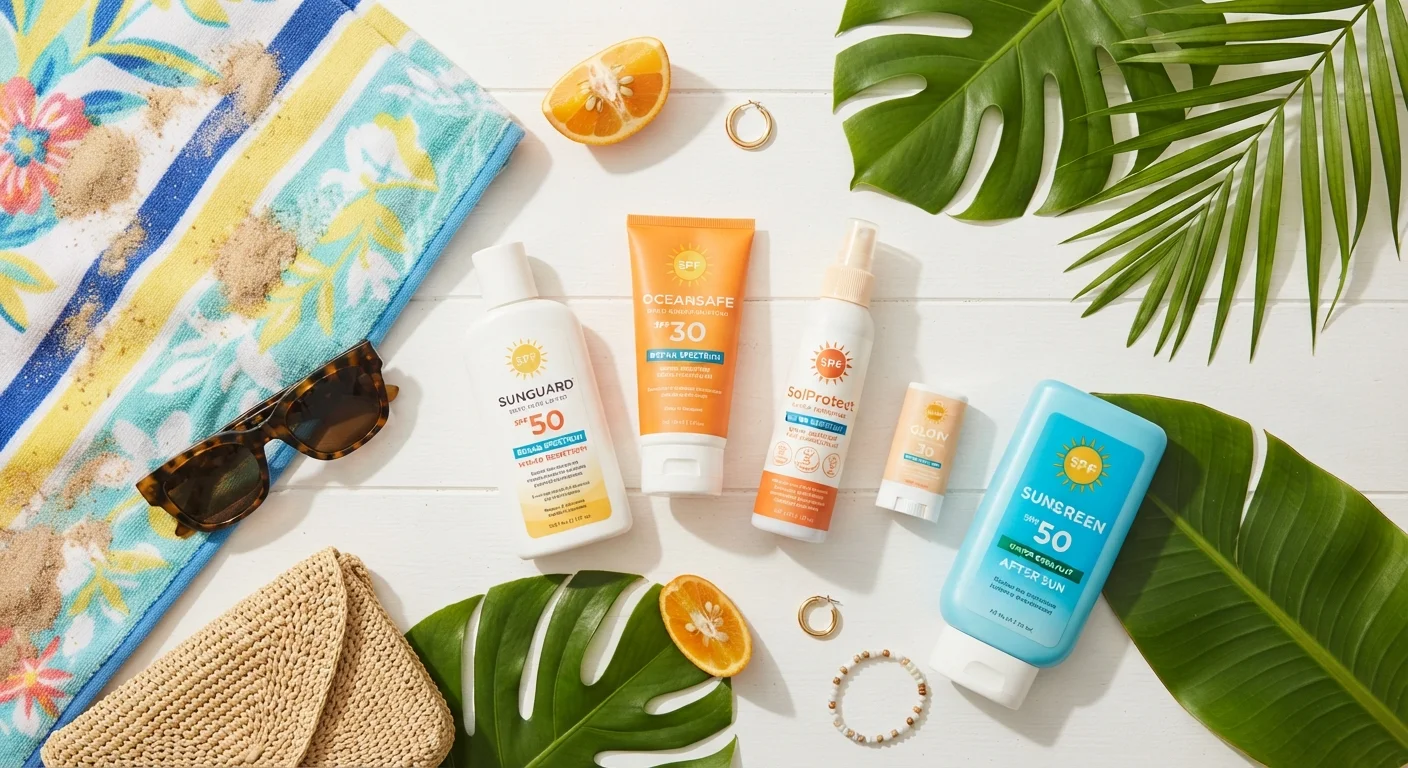
Photo: SaverSteals.com editorial
Key Takeaways
- All skin tones need daily SPF protection — melanin does not block UV damage.
- SPF in makeup is rarely applied thickly enough to deliver its labeled protection.
- Clouds and windows don't stop UVA rays, which penetrate year-round.
- Higher SPF numbers offer more protection but must still be reapplied every two hours.
- Sunscreen should be reapplied regardless of whether you feel the sun burning.
Why Sunscreen Myths Are So Stubborn
Sunscreen sits at a curious intersection of skincare science, beauty marketing, and deeply ingrained habits — which makes it fertile ground for myths that are hard to shake. Some misconceptions feel intuitive (of course cloud cover protects you). Others get passed down through generations or reinforced by outdated information. A few are genuinely complicated by nuanced science that gets flattened into oversimplified takeaways.
The result? A lot of people using sunscreen incorrectly, inconsistently, or not at all — sometimes based on beliefs that have been contradicted by decades of research. Understanding what the evidence actually says is worth the effort, because the trade-offs of skipping daily SPF are real and cumulative over time.
Below, we break down the most common sunscreen myths — the ones dermatologists encounter again and again — and replace them with straightforward, evidence-backed corrections.
Myth
Darker skin tones don't need sunscreen because melanin provides enough protection.
Fact
Melanin offers some natural sun protection, but it is not sufficient to prevent UV-related skin damage, hyperpigmentation, or skin cancer in any skin tone.
This is one of the most persistent — and potentially harmful — sunscreen myths. While it's true that higher levels of melanin provide a small degree of natural UV protection (roughly equivalent to SPF 2–4 in very deep skin tones, according to dermatological research), that protection is nowhere near adequate for real-world sun exposure.
People of all skin tones are susceptible to UV-induced DNA damage, post-inflammatory hyperpigmentation, and skin cancers. In fact, skin cancers in darker-skinned individuals are often diagnosed at later, more advanced stages — partly because the myth that "dark skin doesn't burn" leads to delays in screening and prevention. Daily broad-spectrum SPF is a universal skin health tool, full stop.
Myth
The SPF in my foundation or tinted moisturizer is enough sun protection for the day.
Fact
SPF in makeup products rarely delivers its full protection because most people don't apply nearly enough product to achieve the labeled SPF.
Dermatologists and cosmetic scientists agree: to get the SPF value printed on a foundation label, you'd need to apply roughly a teaspoon of product to your face — far more than anyone realistically uses for a natural makeup look. Most people apply a fraction of that amount, which significantly reduces the actual protection received.
Makeup SPF is a nice bonus, not a replacement. A dedicated sunscreen applied before makeup — and ideally reapplied with a powder or spray SPF midday — is the reliable approach. For a full walkthrough of how sunscreen fits into your morning lineup, see how to layer your skincare routine.
Myth
You only need sunscreen on sunny days or when you're spending time outdoors.
Fact
UVA rays — the type most associated with skin aging and DNA damage — penetrate clouds and glass, making daily SPF relevant even indoors near windows.
UV radiation comes in two main forms relevant to skin health: UVB rays (which cause sunburn and are more intense on clear, sunny days) and UVA rays (which remain relatively constant year-round, pass through clouds at up to 80% strength, and penetrate standard window glass). Sitting near a car window or a sunny office window for extended periods still delivers meaningful UVA exposure.
Daily SPF application — regardless of weather or indoor/outdoor plans — is the standard recommendation from major dermatological organizations. It's a habit, not a weather decision.
Myth
A higher SPF means you can apply it once in the morning and forget about it.
Fact
No SPF level eliminates the need for reapplication. Sunscreen degrades with sweat, water, and time — reapplication every two hours is the standard guidance.
SPF 50 does filter more UV radiation than SPF 30 (roughly 98% vs. 97%), but neither formulation stays effective indefinitely once applied. Physical activity, swimming, and even normal sweating break down sunscreen film. UV exposure itself gradually degrades certain sunscreen ingredients over time.
The two-hour reapplication window is a consistent recommendation from dermatologists and public health guidelines. If reapplication feels inconvenient or disruptive to your makeup, mineral powder SPFs designed for layering over foundation can make midday touch-ups far more practical.
Myth
Sunscreen causes vitamin D deficiency, so it's healthier to skip it.
Fact
Research has not established that typical daily sunscreen use causes clinically significant vitamin D deficiency in real-world conditions.
In controlled laboratory settings, sunscreen does reduce the skin's production of vitamin D when applied at the recommended density. But in real-world practice, most people apply less than the tested amount, don't achieve perfect coverage, and still get incidental sun exposure throughout the day — enough for adequate vitamin D synthesis in most individuals.
For those with concerns about vitamin D levels, dietary sources and supplements are a targeted and controllable solution that doesn't require trading away skin protection. Anyone with specific concerns about vitamin D status should discuss this with a healthcare provider rather than altering sunscreen habits based on this myth.
Getting Sunscreen Right: A Practical Reset
Correcting these myths isn't about adding anxiety to your routine — it's about making the habits you already have actually work. A few practical anchors help:
Don't Rely Solely on Makeup SPF
Applying SPF foundation without a dedicated sunscreen underneath creates a false sense of protection. Even well-formulated makeup SPF products are not applied in quantities that deliver their labeled protection. Use a separate broad-spectrum sunscreen as your foundation — then layer makeup over it.
- Quantity matters: Most guidelines recommend about a nickel-sized amount for the face alone, applied to dry skin before other products or makeup.
- Broad-spectrum labeling: Look for products labeled "broad-spectrum," which means they address both UVA and UVB rays. SPF number alone only measures UVB protection.
- Reapplication is non-negotiable: If you're outdoors or near windows for extended periods, plan for reapplication — especially after sweating or water exposure.
- It works for everyone: Whatever your skin tone, background, or budget, daily SPF protection is one of the most consistently supported recommendations in skin health research.
Just like fitness myths can derail real progress, beauty myths can quietly undermine the habits you're already putting effort into. Getting the basics right makes a genuine difference.
This article provides general skincare education and is not a substitute for personalized advice from a licensed dermatologist or healthcare provider. If you have specific concerns about skin health, sun damage, or skin cancer risk, consult a qualified professional.

Style Editorial Team
Style Editorial Team is the collective byline for our editorial team and contributor network. Articles published under this byline or an editorial pen name are researched, written, and reviewed according to our editorial standards for clarity, consistency, and independence before publication.
View author profile