
Building a Grooming Routine From Scratch
New to intentional grooming? This plain-language guide covers face care, hair basics, and hygiene essentials for anyone starting from zero.
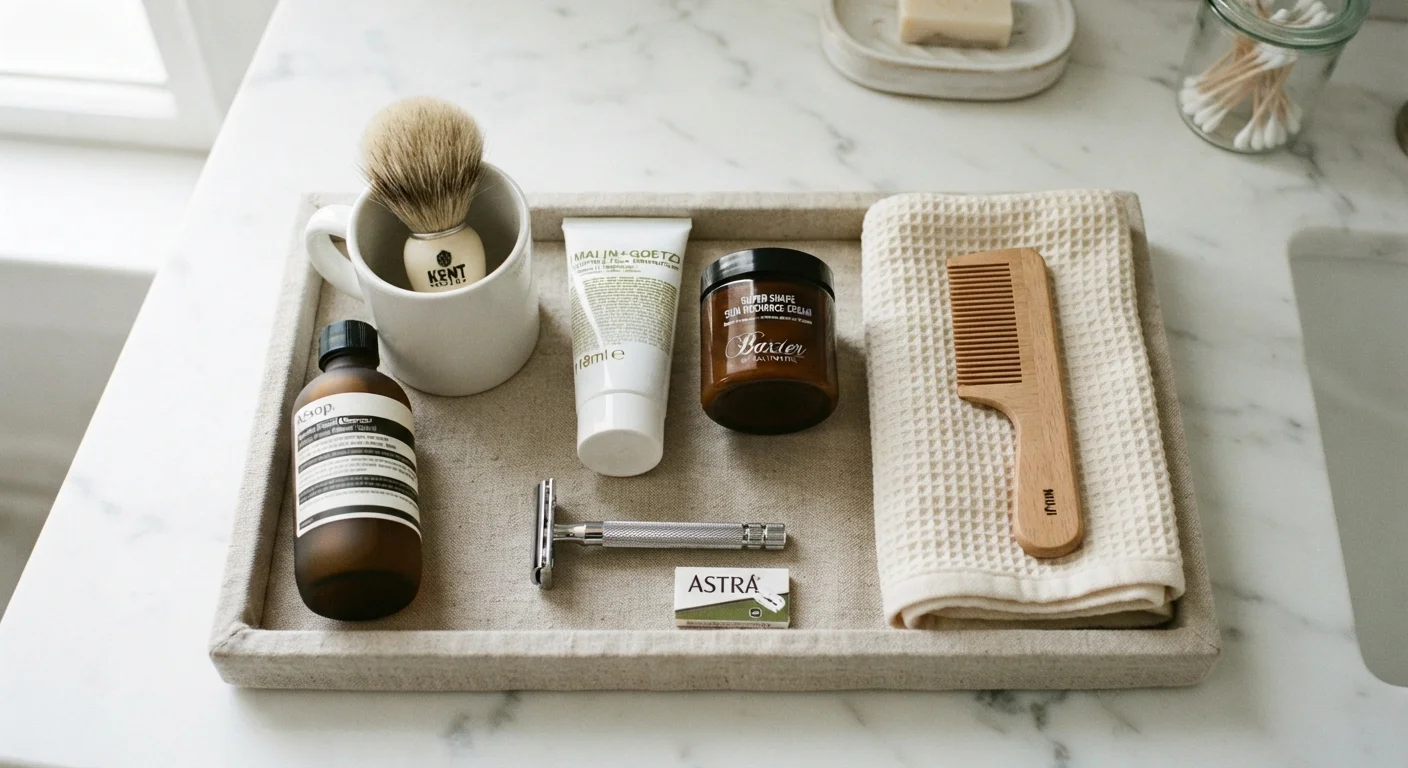
Photo: SaverSteals.com editorial
—— In This Article
Key Takeaways
- A grooming routine doesn't need to be elaborate — consistency matters more than product count.
- Face care starts with just three steps: cleanse, moisturize, and apply SPF.
- Hair type determines washing frequency and the tools that work best for you.
- Body hygiene basics are straightforward and easy to build into any daily schedule.
- Starting simple and adding steps gradually helps routines stick long-term.
Why a Grooming Routine Actually Matters
A grooming routine isn't about vanity — it's about feeling comfortable and confident in your own skin, day after day. When personal care becomes a consistent habit rather than a reaction to a problem, it's easier to catch issues early, stay comfortable, and simply move through your day with one less thing on your mind.
The good news: you don't need a medicine cabinet full of products or an elaborate morning ritual. Research on habit formation consistently shows that simple, repeatable routines outperform complicated ones in the long run. This guide builds from the ground up, so you can start wherever you are — zero products, zero experience, zero judgment.
Skin barrier
The outermost layer of the skin that retains moisture and protects against environmental irritants. Harsh cleansers or over-washing can damage it.
Broad-spectrum SPF
A sunscreen that protects against both UVA (aging) and UVB (burning) rays. The number indicates the level of protection against UVB rays.
Co-washing
Short for conditioner-only washing — a technique where conditioner replaces shampoo to cleanse without stripping natural oils, often used for textured or dry hair.
Antiperspirant
A product that temporarily reduces sweating by blocking sweat glands, often combined with deodorant to also reduce odor.
Detangling
The process of gently removing knots and tangles from hair, usually done from the ends upward to minimize breakage.
Hair porosity
How well your hair absorbs and holds onto moisture. High-porosity hair absorbs products quickly but loses moisture fast; low-porosity hair resists absorption.
Face Care: The Non-Negotiable Foundation
Your face is exposed to environmental stressors — pollution, UV rays, and temperature changes — every single day. A basic face care routine has just three core steps:
- Cleanse. A gentle, fragrance-free cleanser removes surface dirt, oil, and residue without stripping your skin's natural barrier. Splash with lukewarm water, apply the cleanser, rinse, and pat dry. Avoid scrubbing — the skin on your face is more sensitive than it looks.
- Moisturize. Most skin types benefit from a lightweight moisturizer applied while skin is still slightly damp. This helps lock in hydration and keeps the skin barrier functioning well.
- Apply SPF. Broad-spectrum sunscreen — typically SPF 30 or higher — is considered a daily essential by skin health professionals for all skin tones. UV damage accumulates over time and is largely preventable.
Patch-test new skincare products
Before applying any new cleanser or moisturizer all over your face, test a small amount on the inside of your wrist or behind your ear for 24 hours. This helps you spot potential sensitivities before they affect your whole face. If redness, itching, or irritation occurs, discontinue use.
If you're curious about building on this foundation with cosmetics, our guide to building a simple makeup kit is a natural next step.
Hair Basics: Clean, Healthy, Manageable
Hair care is highly individual — what works for straight, fine hair can be completely wrong for coily, thick hair. That said, a few principles apply broadly.
- Wash based on your scalp, not a calendar. An oily scalp may need washing every one to two days; drier or more textured hair often benefits from washing less frequently — every three to seven days is common. Over-washing can strip natural oils and lead to dryness or irritation.
- Condition most of the length, not the roots. Conditioner works on the hair shaft, not the scalp. Apply from mid-length to ends to avoid weighing down the roots or contributing to buildup.
- Detangle gently. Work from ends to roots with a wide-tooth comb or detangling brush, especially when hair is wet and more vulnerable to breakage.
If you have natural or textured hair, the general rules above are just a starting point. Our full guide to textured hair care covers curl types, the LOC method, co-washing, and the right tools in much more detail. For a comprehensive overview of scalp care and styling maintenance, the men's hair grooming reference is worth a read regardless of gender.
Body and Hygiene Essentials
Body hygiene is the most familiar part of grooming for most people, but it's worth being intentional about a few areas that often get overlooked.
Don't over-exfoliate or over-cleanse
It's tempting to scrub more when skin feels oily or congested, but over-cleansing can compromise your skin barrier and actually trigger more oil production. Stick to gentle formulas and limit physical exfoliation to once or twice a week at most. When in doubt, less is more — especially when you're just starting out.
- Shower or bathe regularly. Daily or every other day works for most people. Use a mild body wash rather than harsh bar soap on sensitive skin areas.
- Deodorant or antiperspirant. These are different things: deodorant masks odor, while antiperspirant also reduces sweating. Choose based on your needs and preferences, including fragrance-free options if you have sensitive skin.
- Nail care. Keep fingernails and toenails trimmed and clean. A simple nail brush and clippers are all you need. Dry, cracked cuticles respond well to a small amount of hand cream or cuticle oil.
- Lip care. Lips lack oil glands and dry out faster than surrounding skin. A basic unflavored lip balm applied morning and evening keeps them comfortable and protected.
Body care and face care often share the same habit-stacking opportunities — tying your routine to a morning shower or nightly wind-down makes it far easier to stay consistent.
Putting It All Together
A beginner grooming routine doesn't need to be perfect — it needs to be doable. Here's a simple daily framework to start with:
| Time | Steps |
|---|---|
| Morning | Cleanse face → moisturize → SPF → deodorant |
| Evening | Cleanse face → moisturize → basic nail/lip check as needed |
| Weekly | Wash hair (frequency varies) → trim nails as needed |
Once these steps feel automatic — usually within a few weeks — you can layer in more specific care based on your skin type, hair texture, or personal goals. The Beauty Basics hub is a great place to explore next steps across skincare and beyond.
The goal isn't a perfect ten-step regimen. It's feeling like yourself, confidently, every day.
Frequently Asked Questions

Style Editorial Team
Style Editorial Team is the collective byline for our editorial team and contributor network. Articles published under this byline or an editorial pen name are researched, written, and reviewed according to our editorial standards for clarity, consistency, and independence before publication.
View author profile