
Retinol: What It Does, Who It's For, and Why Patience Is Non-Negotiable
Retinol is one of the most studied skincare ingredients — but it's also one of the most misused. Here's a grounded overview of how it works.
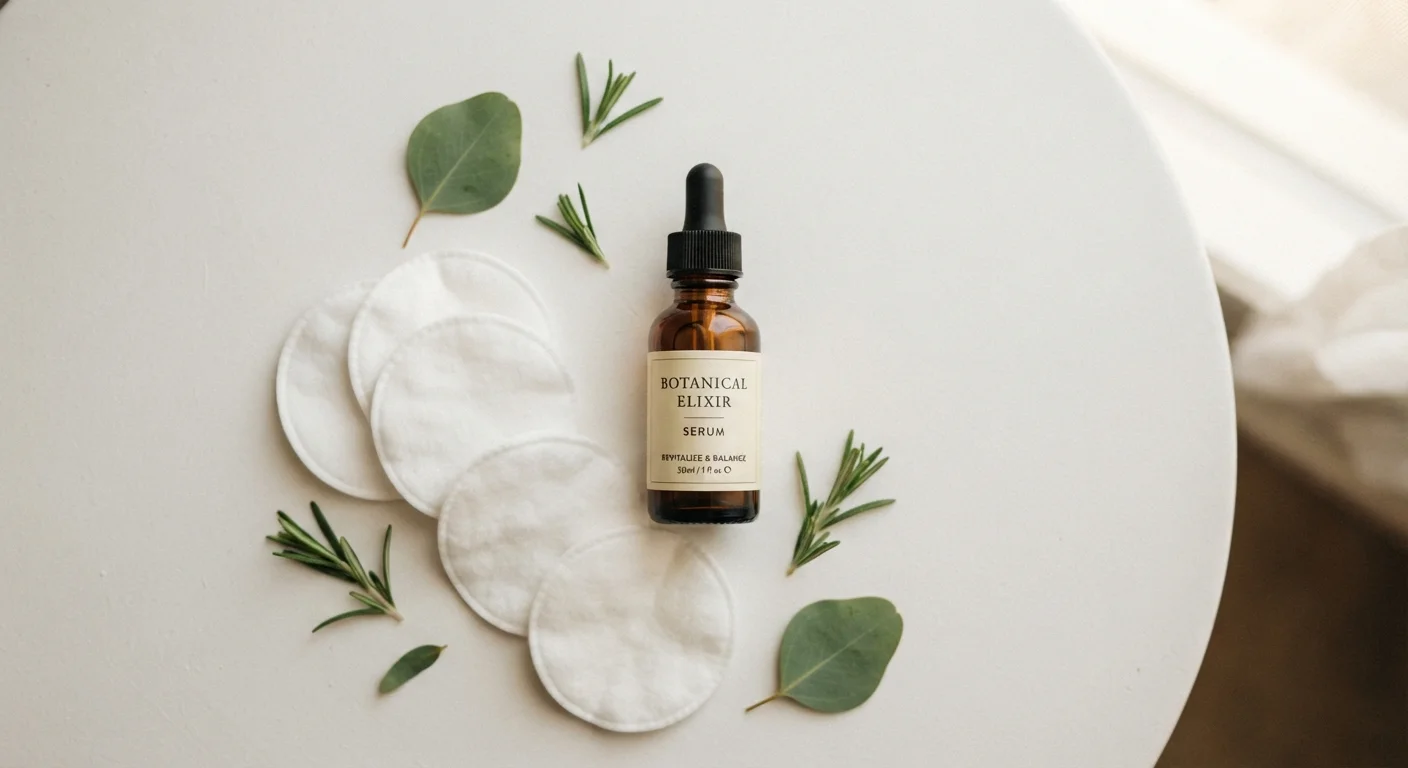
Photo: SaverSteals.com editorial
—— In This Article
Key Takeaways
- Retinol accelerates skin cell turnover, which can improve texture, tone, and the appearance of fine lines over time.
- Results typically take 8–12 weeks of consistent use to become noticeable — patience is genuinely required.
- Starting with a low concentration and gradually increasing frequency helps minimize common side effects like dryness and flaking.
- Retinol increases sun sensitivity, making daily SPF a non-negotiable part of any routine that includes it.
- It's generally not recommended during pregnancy — consult a healthcare professional if you have specific concerns.
- Retinol works best as part of a simple, well-layered routine, not as a standalone miracle fix.
What Retinol Actually Does to Your Skin
At its core, retinol works by communicating with skin cells. Once absorbed and converted into retinoic acid, it binds to receptors in the skin that influence how cells behave — specifically, how quickly they turn over and how much collagen the skin produces.
Skin naturally sheds and regenerates cells, but that process slows as we age. Retinol helps nudge it along, encouraging fresher cells to reach the surface more quickly. The result, over time, is skin that can look smoother, more even in tone, and less dull. It's also been studied for its ability to support collagen production, which contributes to firmer-feeling skin.
What it doesn't do is produce overnight miracles. The cell turnover process takes weeks, and the visible benefits of retinol accumulate gradually — which is why so many people give up before they ever see the payoff.
8–12 weeks
Typical time before visible retinol results appear
Dermatologists widely cite this window as the minimum evaluation period before assessing whether retinol is working for a given individual.
50+ years
Years retinoids have been studied in dermatology
Topical retinoids have been researched since the 1960s, making them among the most evidence-backed categories of skincare ingredients available.
1×/week
Recommended starting frequency for beginners
Many dermatologists suggest starting retinol just once or twice per week to allow the skin barrier to adapt before increasing frequency.
Who Can Benefit — and Who Should Proceed Carefully
Retinol can be a useful addition to routines for people dealing with fine lines, rough texture, mild hyperpigmentation, or persistent dullness. It's used across a wide age range — some people start in their mid-to-late twenties as a preventive measure; others come to it later when specific concerns have already developed. There's no single "right" age to start.
That said, it's not universally appropriate without some caution. People with rosacea, eczema, or very reactive skin may find retinol too irritating, even at low concentrations. Those who are pregnant or breastfeeding are generally advised to avoid retinoids altogether — if you fall into that category, a conversation with your healthcare provider is important before using any vitamin A derivative on your skin.
The 'Retinol Sandwich' Method
If you find retinol irritating, try applying a thin layer of moisturizer first, then the retinol, then another layer of moisturizer on top. This 'sandwich' approach slows absorption slightly and can make a real difference for sensitive or dry skin types without eliminating the ingredient's benefits.
Before adding retinol (or any new active ingredient) to your routine, it's worth doing a quick self-assessment. Our article on starting a new skincare routine walks through exactly that process.
How to Introduce Retinol Without Wrecking Your Skin Barrier
The most common mistake people make with retinol is using too much, too soon. Flaking, redness, and tight skin — collectively known as the "retinol uglies" — are real, but largely avoidable with a gradual introduction.
Start with the lowest concentration available and apply it just once or twice a week. Over the course of several weeks, increase frequency as your skin adjusts. Many people eventually work up to nightly use, but plenty of others find that three or four nights a week is their sweet spot with no irritation.
Retinol is a nighttime ingredient — it degrades in sunlight, and the skin sensitivity it causes makes UV exposure the next day more of a concern. That means daily SPF isn't optional. For a fuller picture of how morning and evening routines differ, see our breakdown of AM vs. PM skincare.
Layering matters too. Retinol pairs well with a gentle cleanser and a good moisturizer but can clash with certain acids and other actives if used at the same time. For guidance on what to combine and what to separate, check out our ingredient layering guide.
The Patience Part: Why Consistency Beats Intensity
Retinol's reputation for results is well-earned — but those results are tied directly to consistent, long-term use, not to using a higher concentration or applying it more aggressively. Dermatology research consistently points to timelines of three to six months for meaningful visible improvement, and that's with regular application.
“The biggest mistake people make with retinol is quitting too early or going too hard too fast. The ingredient genuinely works — but it works on the skin's timeline, not the calendar.”
— A board-certified dermatologist, Clinical dermatology practitioner and skincare educator
The practical takeaway: treat retinol like a habit, not a treatment. Work it into a simple routine — something like a gentle cleanser, retinol, and moisturizer at night, plus SPF in the morning. Our guide to building a foundational skincare routine can help if you're starting from scratch.
If you're unsure whether a product actually contains meaningful levels of retinol, learning to read ingredient labels helps. Our piece on reading skincare ingredient lists breaks down how to decode what you're actually buying.
This article is for informational purposes only and does not constitute medical or dermatological advice. For personal skin concerns, especially if you are pregnant, breastfeeding, or managing a skin condition, consult a qualified healthcare professional.
Frequently Asked Questions

Style Editorial Team
Style Editorial Team is the collective byline for our editorial team and contributor network. Articles published under this byline or an editorial pen name are researched, written, and reviewed according to our editorial standards for clarity, consistency, and independence before publication.
View author profile