
What Your Scalp Is Telling You About Your Hair Health
Flaking, oiliness, tightness — learn what common scalp conditions signal about your overall hair health and when to seek professional guidance.
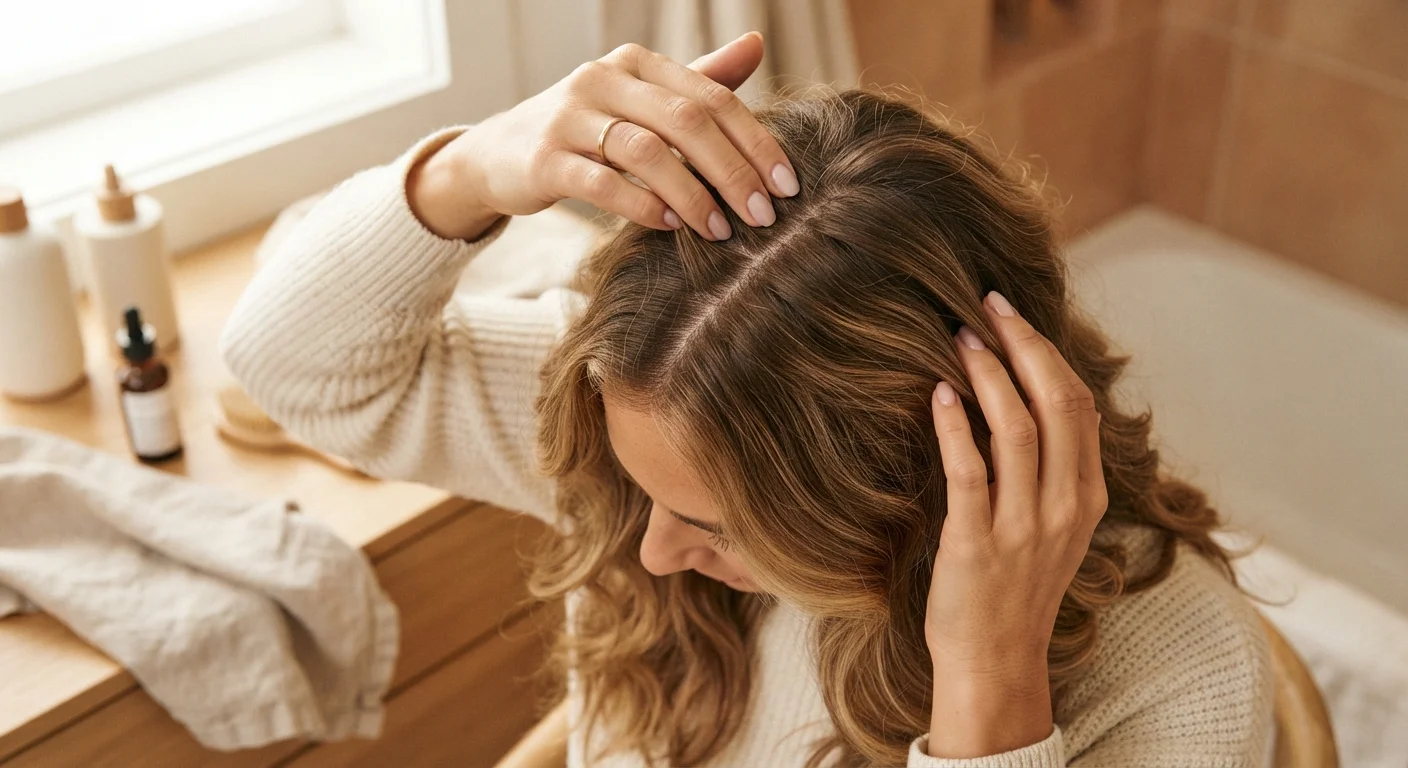
Photo: SaverSteals.com editorial
—— In This Article
Key Takeaways
- Your scalp condition directly affects how hair grows and feels at the root.
- Flaking, oiliness, tightness, and itching each signal different underlying issues.
- Over-washing and under-washing can both disrupt scalp balance.
- Many scalp concerns respond well to routine adjustments before needing treatment.
- Persistent or worsening scalp symptoms warrant a visit to a dermatologist.
The Scalp–Hair Connection Most People Overlook
We spend a lot of energy on the hair we can see — the length, the shine, the split ends — but healthy hair actually starts several millimeters below the surface. The scalp is essentially skin, and like the skin on your face, it has needs: the right moisture balance, a stable microbiome, and enough circulation to support active follicles.
Think of your scalp as the soil your hair grows from. When the environment is balanced, strands tend to emerge stronger and more resilient. When it's disrupted — by product residue, hormonal shifts, stress, or the wrong cleansing routine — your hair reflects that disruption in texture, volume, and growth. Understanding how your hair's core properties work alongside your scalp condition gives you a far more complete picture of what's actually going on.
~50%
Adults affected by dandruff at some point
Dandruff is one of the most common scalp conditions globally, affecting roughly half of adults at some point, according to dermatology literature.
100,000+
Hair follicles on the average scalp
The average human scalp contains between 80,000 and 120,000 hair follicles, each supported by its own sebaceous gland — making scalp health highly localized.
2–5%
Of hairs in active shedding phase normally
Under normal conditions, the scalp naturally cycles a small percentage of hairs into a resting/shedding phase at any given time, per hair biology research.
Common Scalp Signals — and What They Mean
Flaking
White or yellowish flakes are one of the most common scalp concerns, but they don't always mean the same thing. Small, powdery flakes often point to a dry scalp — the skin is shedding because it lacks moisture. Larger, oilier flakes that tend to stick to the hair are more characteristic of dandruff, which is linked to an overgrowth of Malassezia, a yeast naturally present on the scalp. Scalp psoriasis can also cause flaking, but typically comes with thicker, silvery buildup and persistent irritation — a dermatologist should evaluate this one.
Excess Oiliness
If your hair looks greasy a day or less after washing, your sebaceous glands may be overproducing oil. This can be triggered by overwashing (which strips the scalp and prompts it to overcompensate), hormonal fluctuations, or humidity. Scaling back wash frequency is often counterintuitive but genuinely effective for this pattern.
Dryness and Tightness
A scalp that feels tight, uncomfortable, or visibly dry after washing is often reacting to harsh surfactants — particularly sulfates — or environmental conditions like low humidity or hard water. Switching shampoo formulas is sometimes all it takes to restore comfort.
Itching and Irritation
Occasional itching is normal, but persistent or intense itching usually signals an imbalance. Common culprits include product buildup, contact dermatitis from a fragrance or preservative, or an underlying condition like seborrheic dermatitis. If itching is paired with redness or sores, professional evaluation is the right move.
Lifestyle Factors That Affect Your Scalp
Your scalp doesn't exist in isolation — it responds to what's happening throughout your body. Nutritional deficiencies can show up as increased shedding, a dull scalp, or slow hair growth. If you're also noticing fatigue or brittle nails alongside scalp changes, it may be worth exploring whether your diet is playing a role — see signs your diet may be missing key nutrients for more context.
Stress is another significant driver. Elevated cortisol can throw off sebum production and push more hair follicles into a resting phase — a condition called telogen effluvium, where shedding increases weeks or months after a stressful event. Regular physical circulation to the scalp matters too; scalp massage has some evidence behind it as a simple routine addition.
Do a Simple Scalp Check Monthly
Use a mirror and good lighting to part your hair in several places and look at the scalp directly. Note any redness, flaking, unusual oiliness, or tender spots. Catching changes early — before they become persistent — makes them much easier to address with routine adjustments.
Environmental humidity also plays a real role. Low humidity can dehydrate the scalp while high humidity can exacerbate oil production — understanding how humidity affects your hair and scalp helps you adapt seasonally rather than fighting an uphill battle.
When to Adjust Your Routine — and When to See a Pro
Many mild scalp concerns — slight flaking, occasional oiliness, mild dryness — respond well to thoughtful routine shifts. Reassessing how often you wash, what formula you're using, and whether you have product buildup are practical starting points. Before your next salon appointment, it's worth having a clear picture of what you're experiencing so you can communicate it effectively — this pre-appointment checklist can help you prepare.
But some scalp conditions genuinely require professional attention. If you're experiencing significant hair shedding alongside scalp symptoms, see our overview of hair loss patterns and when to seek evaluation. Persistent redness, open sores, or symptoms that haven't improved after several weeks of routine changes all warrant a dermatologist visit. The scalp is skin — it deserves the same care and professional attention you'd give to any other persistent skin concern.
Scalp Conditions Can Mimic Each Other
Dandruff, dry scalp, psoriasis, and seborrheic dermatitis can all produce flaking or irritation, but they have different causes and respond to different treatments. Trying to self-treat the wrong condition can sometimes worsen symptoms. When in doubt, a dermatologist can identify the specific issue and recommend appropriate next steps.
This article is for general informational purposes only and is not a substitute for professional medical or dermatological advice. If you have concerns about your scalp or hair health, consult a qualified healthcare provider.
Frequently Asked Questions

Style Editorial Team
Style Editorial Team is the collective byline for our editorial team and contributor network. Articles published under this byline or an editorial pen name are researched, written, and reviewed according to our editorial standards for clarity, consistency, and independence before publication.
View author profile