
Building a Simple Makeup Kit From Scratch
No overwhelming product lists — just a clear-eyed look at what tools and products form a genuinely useful starter makeup kit.
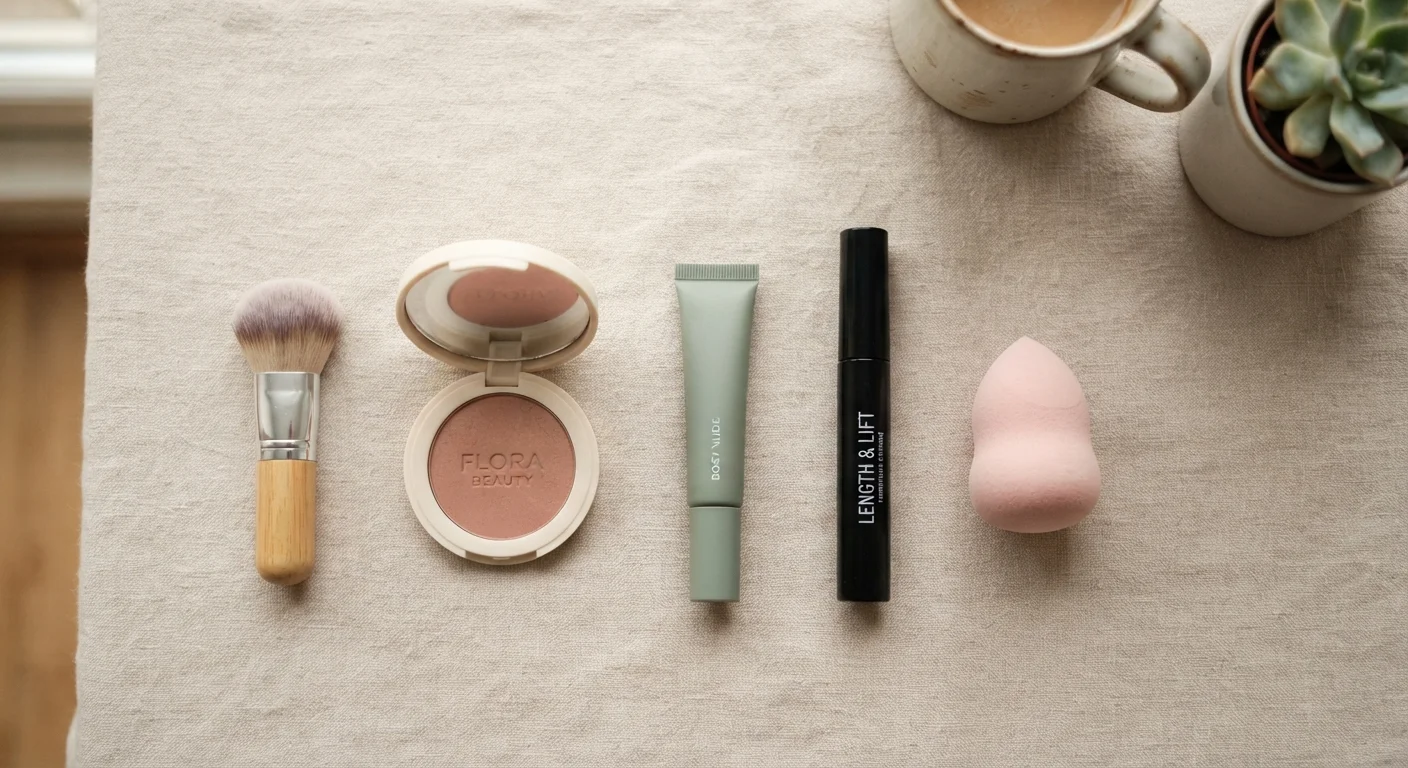
Photo: SaverSteals.com editorial
—— In This Article
Key Takeaways
- A functional starter kit needs only five to seven products — not a full counter's worth.
- Skin preparation matters more than product quantity; moisturizer and SPF come before any makeup.
- Multi-use products (like a blush that doubles as eyeshadow) stretch a small kit further.
- Inexpensive tools like a damp sponge can outperform costly brushes for beginners.
- Build your kit gradually based on what you actually use, not what looks impressive.
Start With Your Skin, Not a Product List
Before a single product goes into your kit, the most useful thing you can do is spend a few days paying attention to your skin. Is it dry by midday? Does it get shiny at your nose and forehead? Does it feel balanced either way? That honest self-observation shapes every purchase you make next.
Good makeup application starts on prepared skin. That means a moisturizer suited to your skin type and — during daylight hours — a sunscreen. These aren't makeup products, but they are makeup prerequisites. If you're new to understanding your skin, our practical skincare self-audit walks through what to assess before you add anything new.
Think of Your Kit as a Working Draft
A starter kit is meant to evolve, not arrive complete. Buy only what you plan to use in the next few weeks, try it consistently, and let your actual habits guide what you add next. That approach saves money and builds real skill at the same time.
Think of your starter kit as a working draft, not a permanent collection. What matters is that every item gets used regularly — not that the kit looks complete on a shelf.
The Core Products Worth Owning
A truly useful starter kit is built around five to seven products that earn their place through regular use. Here's how to think about each category:
Tinted moisturizer
A lightweight product that combines hydration with a small amount of pigment to even out skin tone. It provides less coverage than foundation but is easier to apply and looks more natural for everyday wear.
Concealer
A pigmented cream or liquid used to cover specific spots like blemishes, redness, or dark circles. It offers more coverage than a base product and is applied on top of it.
Setting powder
A finely milled powder pressed or dusted lightly over makeup to reduce shine and help products stay in place longer. Translucent versions work across a wide range of skin tones.
Blending sponge
A soft, porous applicator — typically egg-shaped — used damp to apply and blend liquid or cream makeup. The bouncing motion it requires minimizes streaks and harsh lines.
Undertone
The subtle color beneath the surface of skin — typically described as cool (pink or bluish), warm (yellow or peachy), or neutral (a mix of both). Matching undertone is key to finding a foundation that looks natural.
Multi-use product
A makeup item designed or versatile enough to serve more than one function — for example, a cream blush that also works as an eyeshadow or a tinted lip balm that doubles as cheek color.
- Tinted moisturizer or light-coverage base: Evens skin tone without masking your features. Ideal for beginners because it's forgiving to apply and doesn't require precise blending.
- Concealer: One shade that matches your skin covers blemishes, redness, and under-eye circles. A creamy, blendable formula is easiest to work with.
- Mascara: Defines lashes and opens up the eyes with almost no technique required. A simple black or brown formula does the job for most looks.
- Blush or bronzer: Adds dimension and warmth. Choose one based on whether you want a flushed look (blush) or a sun-kissed effect (bronzer). A peachy or mauve blush tends to be the most versatile for lighter skin tones; a warm terracotta works widely across medium and deeper skin.
- A lip product: A tinted lip balm or a sheer lipstick covers both moisture and color in one step — a genuinely smart multi-tasker for a small kit.
Optional but genuinely useful: a translucent setting powder (helps makeup last longer) and a neutral eyeshadow in matte finish (buildable, blendable, and works for daytime and evening).
Tools That Actually Matter
Brushes are not the entry point most beginners assume they are. Two tools outperform elaborate sets when you're starting out:
- A makeup sponge: Dampened with water before use, a sponge blends foundation and concealer seamlessly with a bouncing motion. It's intuitive, gentle on skin, and easy to clean.
- Clean fingers: Warmth from your fingers helps cream and stick products (like concealer and blush sticks) melt into the skin naturally.
One small, fluffy brush is a worthwhile early addition — it works for setting powder and blush, and a single versatile brush handles both. That's all most beginners need at the start.
Clean Tools, Healthier Skin
Makeup tools accumulate bacteria, oil, and old product over time. Sponges used with liquid products benefit from a rinse after every use and a thorough clean once a week. Brushes should be washed every one to two weeks. Clean tools also apply makeup more evenly, so this habit pays off in two directions.
Cleaning your tools regularly matters for skin health. Sponges used with liquid products should be rinsed after each use and deep-cleaned weekly. A buildup of old product harbors bacteria that can irritate skin.
Building Out Over Time
Once your core kit feels comfortable and every item gets used, adding products one at a time makes it easier to learn what each one does — and whether it's actually earning its place. Common next steps include an eyeliner for more definition, an eyebrow product, or a setting spray for longevity.
Avoid the trap of buying a full kit upfront. Many products bought speculatively go unused, which wastes money. For practical guidance on building within a budget, our budgeting basics hub offers straightforward strategies for tracking and planning discretionary spending.
Makeup and personal style tend to develop together — as your eye for what you like sharpens, so does your kit. If you're also thinking about your wardrobe alongside your beauty routine, our guide to building an everyday wardrobe from scratch applies the same philosophy: start simple, add intentionally, and let real use guide every decision.
This article is for general informational purposes only and does not constitute professional beauty, medical, or financial advice. Consult a qualified professional for guidance specific to your circumstances.
Frequently Asked Questions

Style Editorial Team
Style Editorial Team is the collective byline for our editorial team and contributor network. Articles published under this byline or an editorial pen name are researched, written, and reviewed according to our editorial standards for clarity, consistency, and independence before publication.
View author profile