
Scalp Massage: What It Does, What It Doesn't, and How to Do It
Scalp massage is often credited with hair growth claims that outpace the evidence. Here's an honest breakdown of its actual effects and proper technique.
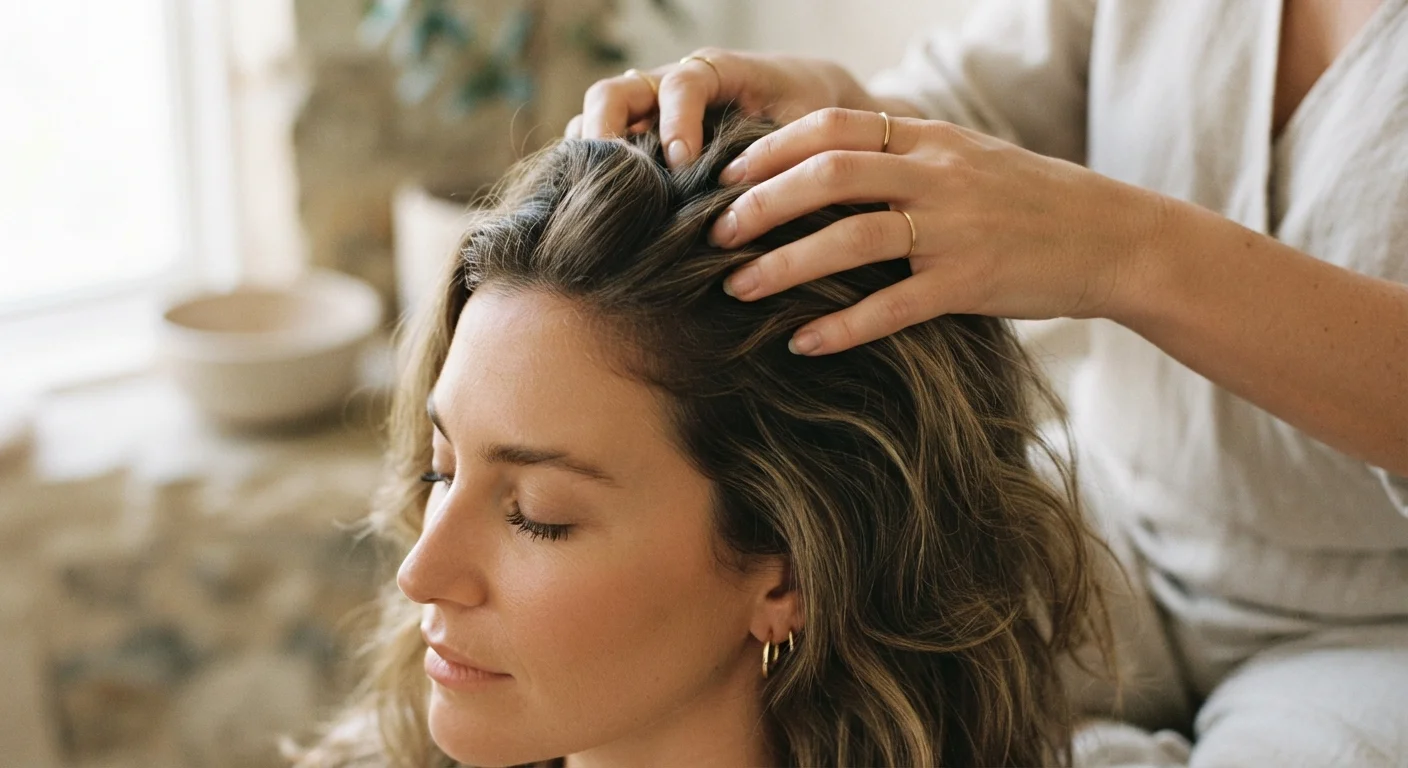
Photo: SaverSteals.com editorial
—— In This Article
Key Takeaways
- Scalp massage may improve circulation and scalp flexibility, but it is not a proven hair loss cure.
- Small studies suggest regular massage could modestly increase hair thickness over time.
- Technique matters — too much pressure or aggressive rubbing can cause breakage and irritation.
- Scalp massage pairs well with a consistent cleansing routine, but won't override poor hair health habits.
- Persistent hair loss or scalp issues warrant a visit to a dermatologist, not just more massage.
Why Scalp Massage Has Everyone Talking
Scalp massage has become a fixture in hair care routines, fueled by social media tutorials and the appealing promise that something as simple as your own fingertips could transform your hair. And while the practice does have real, documented benefits, it has also attracted a wave of oversized claims that deserve a closer look.
At its core, scalp massage involves applying manual pressure and movement to the skin of the scalp. This can be done with bare hands, a handheld silicone tool, or even during your shampoo routine. The experience is relaxing for most people — but the question is whether it actually does what its biggest advocates say it does.
To understand what's real, it helps to know a little about scalp biology. The scalp contains thousands of hair follicles embedded in a layer of skin rich with blood vessels. Hair growth is determined by activity within those follicles, which is influenced by circulation, hormones, nutrients, and genetics. Massage interacts with some of these factors — but not all of them. For a fuller picture of what your scalp signals about overall hair health, see what your scalp may be telling you.
Myth
Scalp massage will regrow hair lost to pattern baldness or thinning.
Fact
Scalp massage has not been proven to reverse androgenetic (pattern) hair loss, which is driven primarily by hormones and genetics.
Pattern hair loss — the most common form in both men and women — is governed largely by the hormone dihydrotestosterone (DHT) and its interaction with genetically sensitive follicles. Massage improves blood flow and may support follicle health, but it cannot block DHT or reprogram follicle sensitivity. A small 2016 study published in ePlasty found that participants who performed daily standardized scalp massage over 24 weeks saw a modest increase in hair thickness, not regrowth in areas that had already experienced significant loss. Encouraging, but not a cure.
Myth
The harder and longer you massage, the better your results.
Fact
Excessive pressure or prolonged aggressive rubbing can cause hair breakage, scalp irritation, and even worsen inflammation.
More is not more when it comes to scalp massage. Friction from overly vigorous movements can rough up the hair cuticle and cause mechanical breakage, particularly in fragile or chemically processed hair. Applying too much pressure can also irritate the scalp's surface, potentially inflaming hair follicles — the opposite of the intended effect. Gentle, consistent technique outperforms occasional aggressive sessions every time.
Myth
Scalp massage alone will fix dandruff and flaking.
Fact
Massage may help loosen flakes temporarily, but dandruff is typically caused by a fungal imbalance or skin condition that requires targeted treatment.
Dandruff most commonly results from an overgrowth of a yeast-like fungus called Malassezia, or from conditions like seborrheic dermatitis or psoriasis. While massage can help exfoliate loose flakes and improve circulation, it does not address the underlying microbial or inflammatory causes. If flaking is persistent or accompanied by redness and irritation, a dermatologist visit is a more productive step than doubling down on massage. Learn more about what scalp symptoms may signal.
Myth
You need a special oil or product to make scalp massage work.
Fact
Dry scalp massage is just as effective as oil-assisted massage for most people; products are optional and depend on hair type.
The mechanical action of massage — moving the scalp skin and increasing localized circulation — does not require a carrier oil or serum to be effective. Oils can add slip, make the experience more comfortable, and deliver their own conditioning benefits, but they are not what drives the circulatory or tensile effects of massage itself. For people with oily scalps or fine hair, adding heavy oils may cause buildup or limp strands. If you do use a product, match it to your scalp's needs. Pair this with a thoughtful approach to cleansing — understanding how your shampoo affects scalp oil can help you make a smart choice.
Myth
Scalp massage produces visible results within a week or two.
Fact
Any measurable changes to hair thickness or texture from massage take months of consistent practice to observe.
The hair growth cycle is slow. A single strand spends weeks to months in its active growth phase (anagen) before transitioning. Studies that reported positive outcomes from scalp massage typically ran for 24 weeks or longer. Expecting dramatic results in days is a setup for disappointment and often leads people to abandon a habit that might genuinely pay off over a longer horizon. Think of it like exercise: the benefits are real but gradual.
How to Actually Do It (and Common Mistakes to Skip)
The good news: proper scalp massage requires no special equipment and only a few minutes. Here's what technique looks like when done well.
- Use your fingertips, not your nails. The pads of your fingers apply even, controlled pressure. Nails scratch and can cause micro-abrasions that invite irritation or infection.
- Work in small circular or kneading motions. Aim for gentle but firm pressure, moving the scalp skin rather than sliding over the hair shaft. This is what promotes circulation and, according to some researchers, may improve follicle flexibility.
- Cover the whole scalp. Start at the nape of the neck, move to the temples, and finish at the crown. Spending about four to five minutes total is consistent with the duration used in small published studies on the practice.
- Dry or wet — both work. You can massage during shampooing, with a light oil applied beforehand, or on a completely dry scalp. If using an oil, choose one appropriate for your scalp type to avoid clogging pores or weighing down fine hair.
When to Pause or Skip Scalp Massage
If your scalp has open wounds, active psoriasis flares, folliculitis (infected hair follicles), or a fresh chemical treatment, massage can aggravate the condition. Check with a dermatologist before starting a massage routine if you have any active scalp condition. Similarly, people experiencing sudden or significant hair loss should seek professional evaluation rather than assuming massage will help — some causes of hair loss require medical treatment.
Consistency matters more than duration. A brief daily session is likely more beneficial than an occasional marathon. Pair the habit with a thoughtful cleansing routine — washing frequency affects scalp oil balance in ways that can either support or undermine whatever gains massage offers. And if you have textured hair, technique adjustments for textured hair are worth reviewing before adding any new scalp routine.
24 weeks
Duration used in hair thickness study
A small 2016 study in ePlasty observed modest increases in hair thickness after participants performed daily standardized scalp massage for 24 weeks.
~4 min
Daily massage duration studied
Participants in published small-scale research on scalp massage performed sessions of approximately four minutes per day to achieve measured outcomes.
This article is for general informational and educational purposes only and is not a substitute for professional medical or dermatological advice. If you are experiencing hair loss or scalp conditions, consult a qualified healthcare provider.

Style Editorial Team
Style Editorial Team is the collective byline for our editorial team and contributor network. Articles published under this byline or an editorial pen name are researched, written, and reviewed according to our editorial standards for clarity, consistency, and independence before publication.
View author profile