
Makeup Removal Done Right: What Cleansing Actually Needs to Accomplish
Micellar water, cleansing balms, double-cleansing — understand what each method achieves and how to choose one that suits your skin and habits.
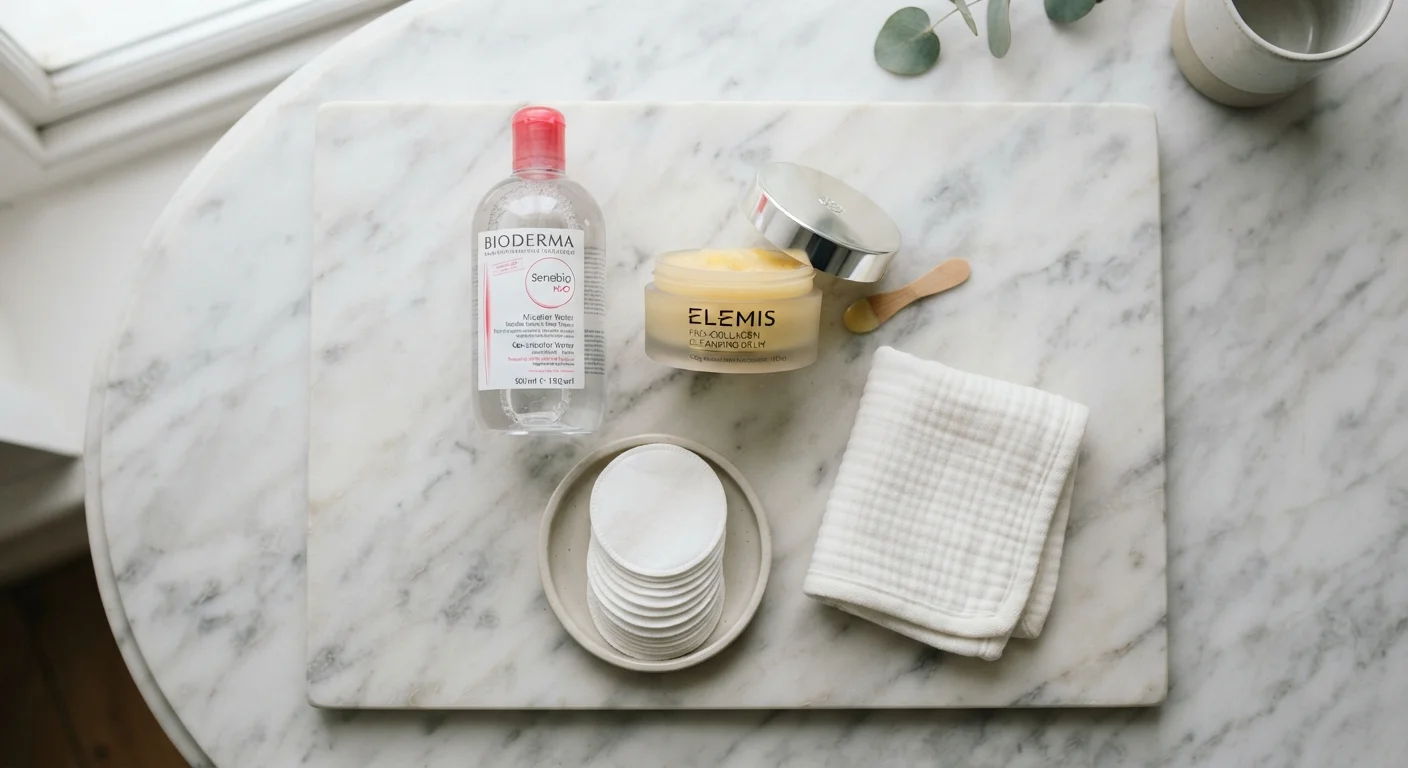
Photo: SaverSteals.com editorial
—— In This Article
Key Takeaways
- Makeup removal and skin cleansing are two distinct steps — conflating them often leads to under-cleansed skin.
- Micellar water, cleansing balms, cleansing oils, and makeup wipes each dissolve makeup differently and suit different skin types.
- Double-cleansing — an oil-based step followed by a water-based cleanser — is the most thorough approach for heavy or long-wear makeup.
- No single method is universally superior; the right fit depends on your skin type, makeup habits, and how much time you have.
- Proper removal prevents clogged pores, product buildup, and potential skin irritation over time.
Why Makeup Removal Deserves Its Own Step
Most of us treat makeup removal and face-washing as the same action. Grab a cleanser, rinse, done. But many everyday cleansers — particularly foaming or gel formulas — aren't designed to dissolve the silicones, pigments, and waxes found in foundations, mascaras, and lipsticks. The result? A skin surface that feels clean but still carries a layer of residue.
That residue, left overnight, can contribute to clogged pores and dullness over time. Understanding what cleansing actually needs to accomplish — lifting and emulsifying makeup, not just washing away sweat and sebum — is the first step toward a smarter routine. Once your makeup is properly removed, your regular cleanser, moisturizer, and SPF can do their jobs more effectively.
Comparing the Main Removal Methods
Four approaches dominate most people's makeup removal routines. Each works through a different mechanism — and each has real trade-offs worth knowing before you commit.
| Micellar Water | Cleansing Balm/Oil | Makeup Wipes | Double-Cleansing | |
|---|---|---|---|---|
| How it works | Micelles lift oil-based makeup | Oil dissolves oil-based products | Physical wiping with surfactants | Oil step then water-based cleanser |
| Best for | Light, everyday makeup | Heavy or long-wear makeup | Travel or emergencies | Full coverage + SPF wearers |
| Skin type suitability | All types, especially sensitive | Dry to combination | Not ideal for sensitive skin | Most skin types |
| Removes waterproof makeup | Partially | Yes, effectively | Partially | Yes, most thoroughly |
| Effort required | Low | Moderate | Very low | Moderate to high |
| Rinsing needed | No | Yes | No | Yes |
Micellar water contains tiny oil molecules called micelles suspended in water. They attract and lift oil-based makeup without requiring rinsing, making them genuinely gentle and convenient. The catch: they work best on lighter, everyday makeup rather than full-coverage or waterproof formulas.
Cleansing balms and oils use the chemistry of "like dissolves like." Oils break down oil-based cosmetics — including stubborn sunscreen and long-wear foundation — more efficiently than water-based products. When massaged into dry skin and emulsified with water, they rinse clean without stripping the skin's moisture barrier.
Makeup wipes are convenient for travel but are among the least effective methods for full removal. Most rely on rubbing rather than dissolving, which can irritate skin and still leave traces of product behind. Dermatologists generally recommend them as a backup, not a primary method.
Double-cleansing — an oil-based step to dissolve makeup, followed by a gentle water-based cleanser — delivers the most complete cleanse. It's particularly worth considering if you wear SPF daily (which you should) and heavy or long-wear cosmetics. See our guide to morning vs. night skincare for more on why your PM routine warrants this extra effort.
Give Your Balm or Oil Time to Work
Don't rush the massage step when using a cleansing balm or oil. Spending 30–60 seconds working the product over dry skin before adding water gives it time to break down makeup and sunscreen. Adding water too quickly before emulsification can reduce effectiveness and leave residue on the skin.
How to Match the Method to Your Skin and Habits
No method is objectively superior — the one you'll actually use consistently is the one that fits your life. A few practical ways to think it through:
- Dry or sensitive skin: Cleansing balms tend to be the gentlest, since they don't require rubbing and leave behind some emollient residue. Look for formulas with calming ingredients like plant-derived oils.
- Oily or acne-prone skin: Cleansing oils may feel counterintuitive, but they're generally well-tolerated and effective. Follow with a gentle, non-comedogenic water-based cleanser to remove any oily residue.
- Minimal makeup wearers: Micellar water is efficient and low-maintenance. Apply with a soft cotton pad, let it sit for a few seconds to dissolve product, and wipe gently rather than scrubbing.
- Heavy or theatrical makeup: Double-cleansing is worth the extra two minutes. It's the approach most likely to leave your skin genuinely clean without harsh scrubbing.
If you're just building your starter makeup kit, it's worth thinking about removal from day one — the formulas you choose (particularly waterproof vs. non-waterproof) will influence which removal method works best for you.
70%+
Long-wear foundations that resist water-based cleansers
Many long-wear and full-coverage foundations are formulated with film-forming polymers that water alone can't fully dissolve, according to cosmetic chemistry literature.
2-step
Steps in a double-cleanse routine
Double-cleansing — popularized through Korean skincare — involves one oil-based and one water-based cleanser, widely recommended by estheticians for thorough nightly removal.
This article provides general skincare information for educational purposes only and is not a substitute for advice from a qualified dermatologist or healthcare professional.

Style Editorial Team
Style Editorial Team is the collective byline for our editorial team and contributor network. Articles published under this byline or an editorial pen name are researched, written, and reviewed according to our editorial standards for clarity, consistency, and independence before publication.
View author profile