
Store Brands and Name Brands: What the Research Actually Shows
Generic and private-label products have improved dramatically. Here's an evidence-based look at where the quality difference is real—and where it isn't.
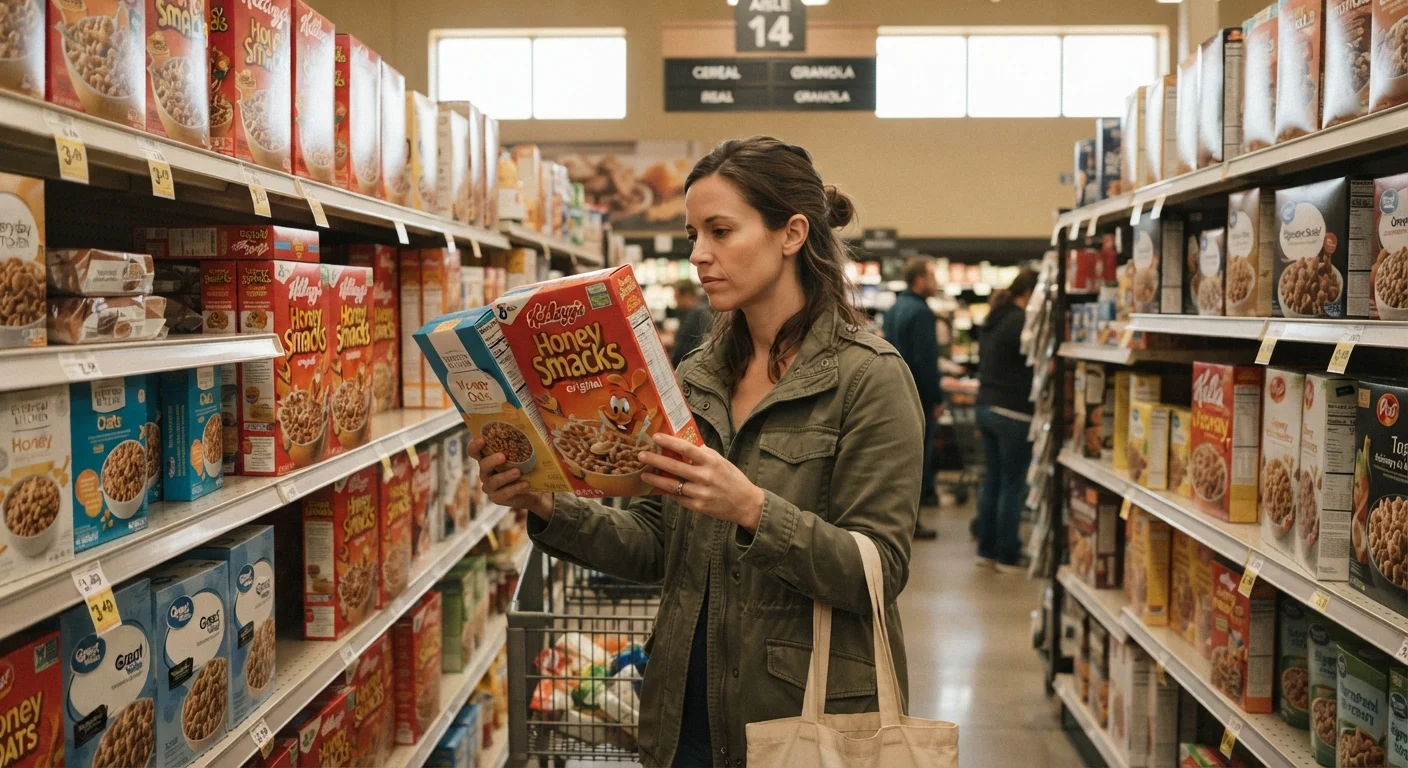
Photo: SaverSteals.com editorial
—— In This Article
Key Takeaways
- Store brands and name brands are often manufactured in the same facilities with nearly identical formulations.
- Quality differences are real in some categories—particularly fresh foods, complex electronics, and specialty items.
- Price gaps between private-label and name brands typically range from 20% to 40%, according to industry research.
- Nutritional content in store-brand staples is regulated and must meet the same federal standards as name brands.
- Consumer perception of quality often influences taste ratings more than actual ingredient differences.
The Private-Label Revolution You May Have Missed
Store brands—also called private-label or generic products—have undergone a quiet but significant transformation over the past two decades. Retailers have invested heavily in private-label development, and many now work with the same contract manufacturers that produce name-brand goods. The result is that the practical quality gap has closed in more categories than most shoppers realize.
Research from the Private Label Manufacturers Association consistently finds that store brands represent roughly one in every five items sold in U.S. supermarkets. Consumer Reports has conducted blind taste tests over the years finding store brands competitive with—or preferred over—name brands in multiple food categories. That doesn't mean the difference is zero everywhere, but it does mean blanket assumptions about quality are worth revisiting.
For a deeper look at how perceived quality affects purchasing decisions in adjacent categories, see why drugstore and department store formulas are closer than you think.
~20–40%
Typical price gap: store vs. name brand
Industry research consistently finds private-label products priced 20–40% below comparable name-brand items across grocery categories.
1 in 5
Store brand share of U.S. supermarket sales
According to the Private Label Manufacturers Association, approximately one in five items sold in U.S. grocery stores carries a private-label designation.
Where Store Brands Hold Up Well
Certain product categories are strong candidates for store-brand substitution because the underlying inputs are standardized, regulated, or commodity-priced.
- OTC medications: The FDA requires generic drugs to contain the same active ingredient, dosage, and form as their name-brand equivalents. Reach for the store-brand ibuprofen or antihistamine with confidence—the active chemistry is identical by law.
- Pantry staples: Flour, sugar, canned tomatoes, dried pasta, oats, and similar commodities have little meaningful variation at the ingredient level. The nutritional standards are the same. For more on understanding grain-based labels, see what changes when grains are processed.
- Cleaning products: Bleach is bleach at the same concentration. Store-brand all-purpose cleaners, dish soap, and laundry detergents routinely match name-brand performance in independent lab testing.
- Dairy basics: Milk, butter, and eggs are graded and regulated federally. The store brand in the same grade designation is the same product category—often from the same regional dairy.
Start With Low-Risk Swaps
If you're new to store brands, begin with regulated categories like OTC medications or commodity staples like flour and canned goods. These are the lowest-risk swaps because quality standards are externally enforced. Once you've built confidence in those categories, expand your trials systematically rather than switching everything at once.
Where Name Brands Still Have an Edge
Not every category is a commodity, and honest evaluation requires acknowledging where name brands genuinely deliver something different.
- Specialty foods with proprietary recipes: Distinctive sauces, seasoning blends, and fermented products where flavor is built on a unique process or formula are harder to replicate at price points that make private-label viable.
- Complex personal care: Skincare, haircare, and cosmetics with patented actives or delivery systems represent cases where formulation genuinely varies. Not always—but often enough to test before committing.
- Small appliances and electronics: Store-brand electronics and appliances vary widely in quality. Without access to the same supply chain and engineering investment as established manufacturers, reliability gaps are real in this category.
- Fresh and perishable items: Sourcing consistency, supply chain management, and freshness protocols can vary more between retailers than between brand tiers, but name-brand packaged fresh products sometimes carry more rigorous supplier standards.
This mirrors the broader conversation about whether spending more reliably delivers more—explored in why 'invest in basics' is more complicated than it sounds.
| Category | Store Brand | Name Brand | |
|---|---|---|---|
| OTC medications | Identical active ingredients by law | Same active ingredients, higher price | No clinical advantage |
| Pantry staples (flour, sugar, pasta) | Comparable nutrition, lower cost | Similar quality, premium price | Minimal real difference |
| Cleaning products | Competitive in lab testing | Brand recognition, similar performance | Marginal edge in some formulas |
| Specialty sauces & condiments | Generic flavor profiles | Proprietary recipes, distinct taste | Often noticeable difference |
| Small appliances & electronics | Variable quality, higher risk | Established reliability, warranty support | Name brand often worth cost |
| Skincare & personal care | Basic formulas, lower cost | Patented actives, tested delivery | Depends on specific product |
How to Make Smarter Category-by-Category Calls
The most practical framework isn't brand loyalty or blanket skepticism—it's a deliberate trial-and-compare habit. Buy the store brand once. If you notice a real difference that affects your experience, switch back. If you don't, pocket the savings consistently.
A few additional principles worth applying:
- Check the ingredient list, not the label design. If the first several ingredients are identical, the formulation is likely comparable regardless of packaging.
- Use unit pricing. Stores are required to display cost-per-unit on shelf tags. This is the apples-to-apples number, particularly useful when comparing sizes.
- Be honest about preference vs. habit. Research in consumer psychology suggests that brand familiarity creates a perception of quality that can persist even when blind testing shows no difference. Recognizing this bias helps make clearer decisions.
For strategies that complement this kind of item-level thinking, see shopping with a list versus shopping by feel and which household supplies are worth buying in bulk.

Shopping Editorial Team
Shopping Editorial Team is the collective byline for our editorial team and contributor network. Articles published under this byline or an editorial pen name are researched, written, and reviewed according to our editorial standards for clarity, consistency, and independence before publication.
View author profile