
Shopping With a List Versus Shopping by Feel: What Actually Saves More
Structured lists and spontaneous browsing each have real trade-offs. See which approach holds up in practice and when to use both.
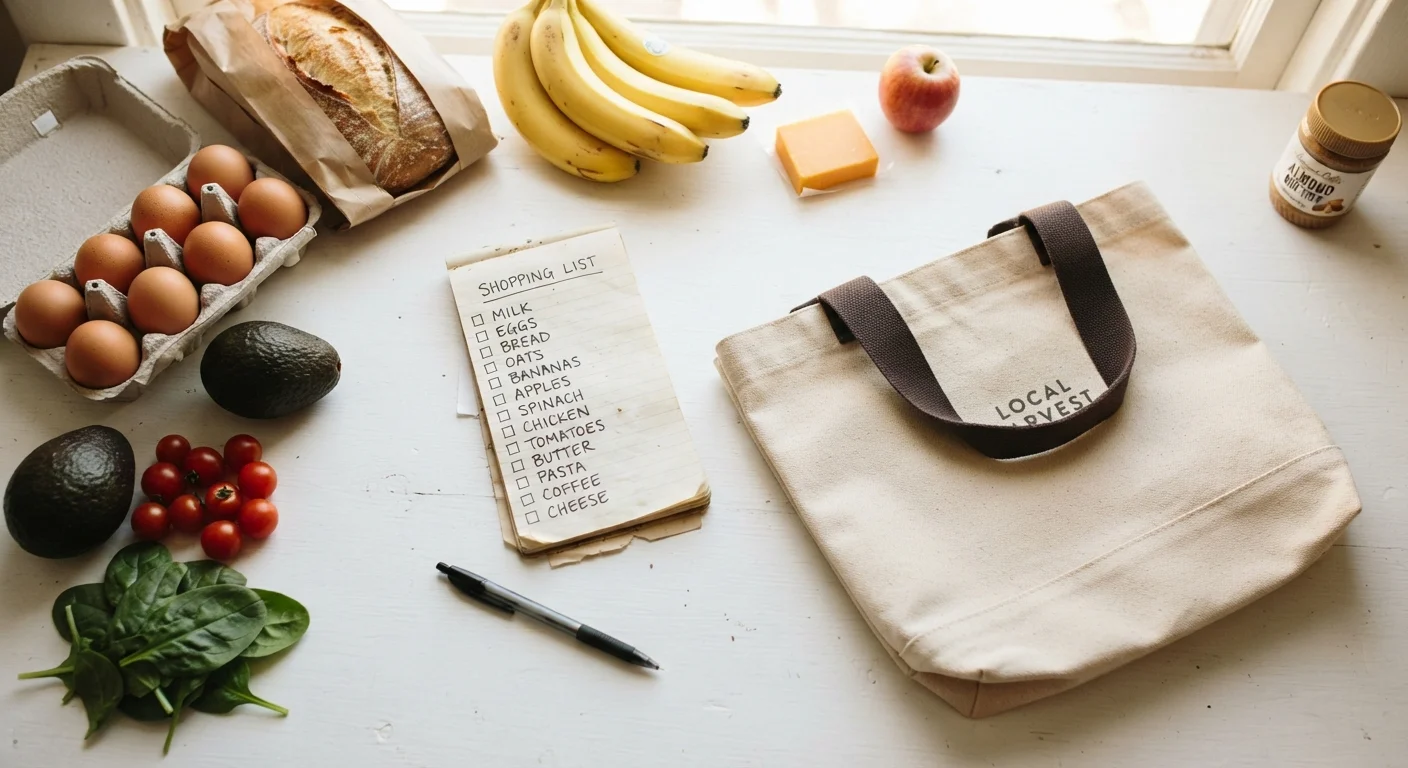
Photo: SaverSteals.com editorial
—— In This Article
Key Takeaways
- List-based shopping consistently reduces unplanned spending and forgotten items.
- Browsing freely can surface genuinely useful finds, but increases exposure to retail influence tactics.
- Decision fatigue grows the longer you shop without a plan, raising the chance of regret purchases.
- A hybrid approach — list for essentials, open window for discretionary items — works well for most shoppers.
- Store layout and pricing displays are deliberately designed to benefit unplanned browsing.
What Each Approach Actually Looks Like
Shopping with a list means deciding what you need before you arrive — whether that's a handwritten note, a phone app, or a standing household inventory. The decision-making happens at home, not in the aisle. Shopping by feel means entering a store (or opening a browser) with a general sense of what you're after, then letting what you see guide what lands in your cart.
Neither method is inherently wrong. The question is whether each one is being used in the right context. A list is a planning tool; browsing is a discovery tool. Problems arise when shoppers apply one where the other belongs — like bringing a rigid list to a farmer's market where inventory changes daily, or wandering a big-box store without any anchor when the goal is to keep spending in check.
Understanding how store layouts are designed to influence you makes this distinction sharper. Retail environments are built for feel-based shopping — end caps, eye-level placement, and sensory cues all exist to prompt unplanned purchases. A list partially neutralizes those cues by giving your attention a destination.
The Real Cost of Going Without a List
The most consistent finding in consumer behavior research is that unplanned purchases increase when shoppers don't have a defined intent before entering a store. This isn't a character flaw — it's an expected response to an environment specifically engineered to prompt it.
~60%
Grocery purchases that are unplanned
Research from the Point of Purchase Advertising International association has estimated that a majority of supermarket purchase decisions are made inside the store rather than before entering.
23%
More spent on unplanned visits
A consumer behavior study published in the Journal of Marketing Research found shoppers without a list spent meaningfully more per trip than those shopping from a prepared list.
Shopping fatigue compounds this. As a trip extends and decisions accumulate, the mental energy available for evaluating each choice drops. Later in a shopping trip, people tend to default to familiar brands, accept premium pricing more readily, and add items without critically assessing whether they're needed. A list reduces the number of micro-decisions required, which preserves mental clarity for the choices that actually matter.
That said, feel-based shopping isn't purely a spending trap. When produce is the priority and quality varies by day, when a clearance rack might solve a need you hadn't formalized yet, or when you're shopping for a gift without a fixed brief — browsing is genuinely the better tool. The cost comes when it's the default mode rather than a deliberate choice.
Head-to-Head: Where Each Approach Holds Up
| Criterion | Shopping With a List | Shopping by Feel |
|---|---|---|
| Spending predictability | High — decisions made before arrival | Low — spend varies by environment |
| Risk of forgotten items | Low with a complete list | Higher without a reference |
| Openness to useful finds | Limited by defined scope | High — discovery is built in |
| Resistance to retail tactics | Strong — attention is anchored | Weak — browsing invites influence |
| Mental load during trip | Lower — fewer real-time decisions | Higher — each item requires evaluation |
| Best category fit | Groceries, essentials, repeat purchases | Fashion, gifts, seasonal or fresh items |
| Time efficiency | Generally faster with clear list | Slower; browsing extends trip length |
The table above reflects general patterns rather than guarantees — individual results depend on the shopper, store type, and category. Grocery shopping, for instance, responds very differently to a list than clothing or home goods shopping does. Intentional spending frameworks often recommend treating these categories separately rather than applying one shopping mode to everything.
One area where list-based shopping has a clear edge regardless of category: repeat essentials. Household supplies, pantry staples, and personal care items are predictable enough that pre-planning them is almost always more efficient. See which household supplies benefit most from a planned approach for a more detailed breakdown by product type.
Building a Hybrid That Actually Works
Lists Work Best When Built Continuously
A list written five minutes before leaving the house captures far less than one built throughout the week as you notice what's running low. Keeping a shared note or a small pad in the kitchen allows the list to reflect actual household needs rather than a rushed guess. This also reduces the mid-week "emergency" runs that tend to cost more per item than a planned shop.
The most practical approach for most shoppers isn't to pick a side — it's to decide before each trip which mode fits that trip's purpose. A weekly grocery run calls for a list. A Saturday browse through a thrift store or a home goods section calls for feel. The mistake is defaulting to one mode out of habit regardless of context.
For budgeting purposes, a simple hybrid works well: write a full list for everything you intend to buy, then set a small defined allowance — either a number of items or a dollar ceiling — for anything that catches your eye beyond the list. This preserves the financial discipline of list-shopping while leaving room for the genuine value that browsing sometimes surfaces. A pre-checkout routine serves a similar function for online shopping, where the equivalent of wandering the aisles is the "customers also bought" scroll.
If budget tracking is a broader goal, connecting your shopping habits to a wider plan helps. The Budgeting Basics hub covers how to build a structure that makes per-trip decisions easier and less draining over time.

Shopping Editorial Team
Shopping Editorial Team is the collective byline for our editorial team and contributor network. Articles published under this byline or an editorial pen name are researched, written, and reviewed according to our editorial standards for clarity, consistency, and independence before publication.
View author profile