
Road Trip Safety Habits Worth Building Before You Go
From pre-trip vehicle checks to managing driver fatigue, these safety habits can make a meaningful difference on long drives.
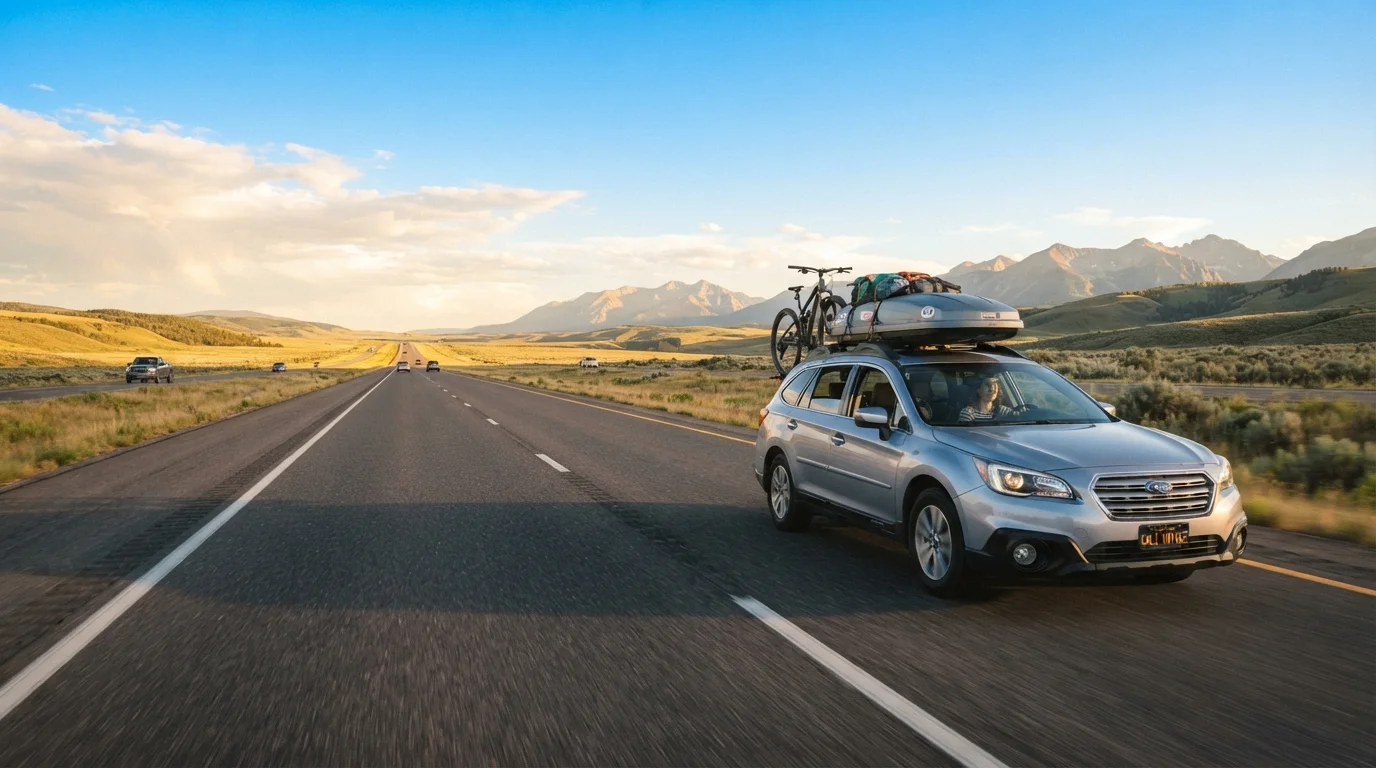
Photo: SaverSteals.com editorial
—— In This Article
Key Takeaways
- A pre-trip vehicle check covering tires, fluids, and lights takes under 30 minutes and catches most common breakdown causes.
- Driver fatigue is one of the leading contributors to road accidents — rest stops are a safety tool, not a luxury.
- Carrying a basic emergency kit and knowing your route's service gaps can dramatically reduce helplessness in a breakdown.
- Distractions, including phone use and eating while driving, multiply risk on unfamiliar roads.
- Sharing your itinerary with someone at home is a low-effort habit that matters most on solo trips.
Start With the Car, Not the Playlist
Most road trip preparation focuses on where to stop, what to pack, and how long it'll take — all worthwhile. But the habits that keep you safest start with the vehicle itself. Before every long drive, run through a basic mechanical check, even if your car seems to be running fine.
Key areas to inspect include tire pressure and tread depth, all fluid levels (oil, coolant, brake fluid, windshield washer), headlights and brake lights, and wiper blade condition. These take under 30 minutes and catch the most common causes of highway breakdowns. For a full walk-through, see the road trip readiness checklist before you leave.
If your dashboard lit up on a recent drive, don't ignore it — check out what each dashboard warning light means before heading out. And if your vehicle is overdue for routine maintenance, consult a qualified mechanic. Some repairs aren't worth deferring to after the trip.
Don't Skip the Tire Check
Tires are the single point of contact between your vehicle and the road, yet they're the most commonly overlooked pre-trip item. Check pressure when the tires are cold (before you've driven more than a mile), and inspect the tread visually for uneven wear or embedded debris. If your tires are near the end of their life, it's worth consulting a mechanic before a long drive. For more guidance, see our overview of tire wear, pressure, and rotation.
Plan for Fatigue Before It Happens
Driver fatigue is among the most underestimated road hazards. Research from the National Highway Traffic Safety Administration (NHTSA) consistently links drowsy driving to thousands of crashes annually. The challenge is that fatigue often creeps in gradually — most drivers don't recognize they're impaired until they've already missed an exit or drifted.
~100,000
Drowsy driving crashes annually in the US
The National Highway Traffic Safety Administration estimates approximately 100,000 police-reported crashes each year involve drowsy driving as a contributing factor.
2 hrs
Recommended maximum driving before a break
Safety researchers and organizations like AAA broadly recommend stopping for a rest break every two hours or 100 miles on long drives.
The general guidance from safety researchers: stop and take a 15–20 minute break every two hours, regardless of how awake you feel. Driving more than eight to nine hours in a single day significantly increases risk for most people. If you're planning an ambitious daily mileage goal, recalibrate. Drive time is almost always longer than the map suggests, and pushing to make up time is rarely worth it.
On solo trips especially, fatigue management deserves extra thought. Practical habits for solo travelers include scheduling rest stops in advance and avoiding night driving on unfamiliar routes.
Eliminate Distraction at the Source
Hands-free laws vary widely by state — road rules differ more than most drivers expect — but legal compliance and safe behavior aren't always the same thing. Even hands-free phone use diverts cognitive attention from driving. On high-speed, high-traffic interstates, that gap matters.
Before you pull out, set your navigation, connect your audio, and put the phone somewhere you can't reach it while driving. If you're traveling with passengers, designate a co-pilot to handle music changes, directions, and communication. Eating while driving, adjusting mirrors, or reaching into the back seat are similarly distracting — and all avoidable with a short pit stop.
Build an Emergency Layer Into Every Trip
No matter how well-maintained your vehicle is, long-distance driving introduces variables outside your control: road debris, sudden weather changes, a tire blowout in a low-service area. An emergency kit doesn't require significant investment, but its absence is felt immediately when something goes wrong.
A practical kit includes jumper cables or a portable jump starter, a reflective triangle or road flares, a basic first-aid kit, a flashlight with fresh batteries, a phone charging cable and car charger, and water for both the radiator and the people in the car. Knowing how to check tire pressure and read wear patterns before a trip is equally useful — catching a borderline tire at home beats discovering the problem at highway speed.
Also worth doing: share your itinerary with someone at home. Let them know your route, planned stops, and expected arrival time. This single habit — especially for solo travelers — creates a safety net that costs nothing.
Emergency Kits Don't Replace Roadside Assistance
A well-stocked kit handles many minor situations, but it isn't a substitute for professional help in serious breakdowns or accidents. If your vehicle insurance or auto club membership includes roadside assistance, confirm how to reach them before you leave — and make sure the number is saved somewhere other than a phone that might be dead or damaged.

Travel Editorial Team
Travel Editorial Team is the collective byline for our editorial team and contributor network. Articles published under this byline or an editorial pen name are researched, written, and reviewed according to our editorial standards for clarity, consistency, and independence before publication.
View author profile