
Before You Turn the Key: A Road Trip Readiness Checklist
Run through this checklist before every road trip to make sure your car, documents, safety kit, and supplies are all accounted for.
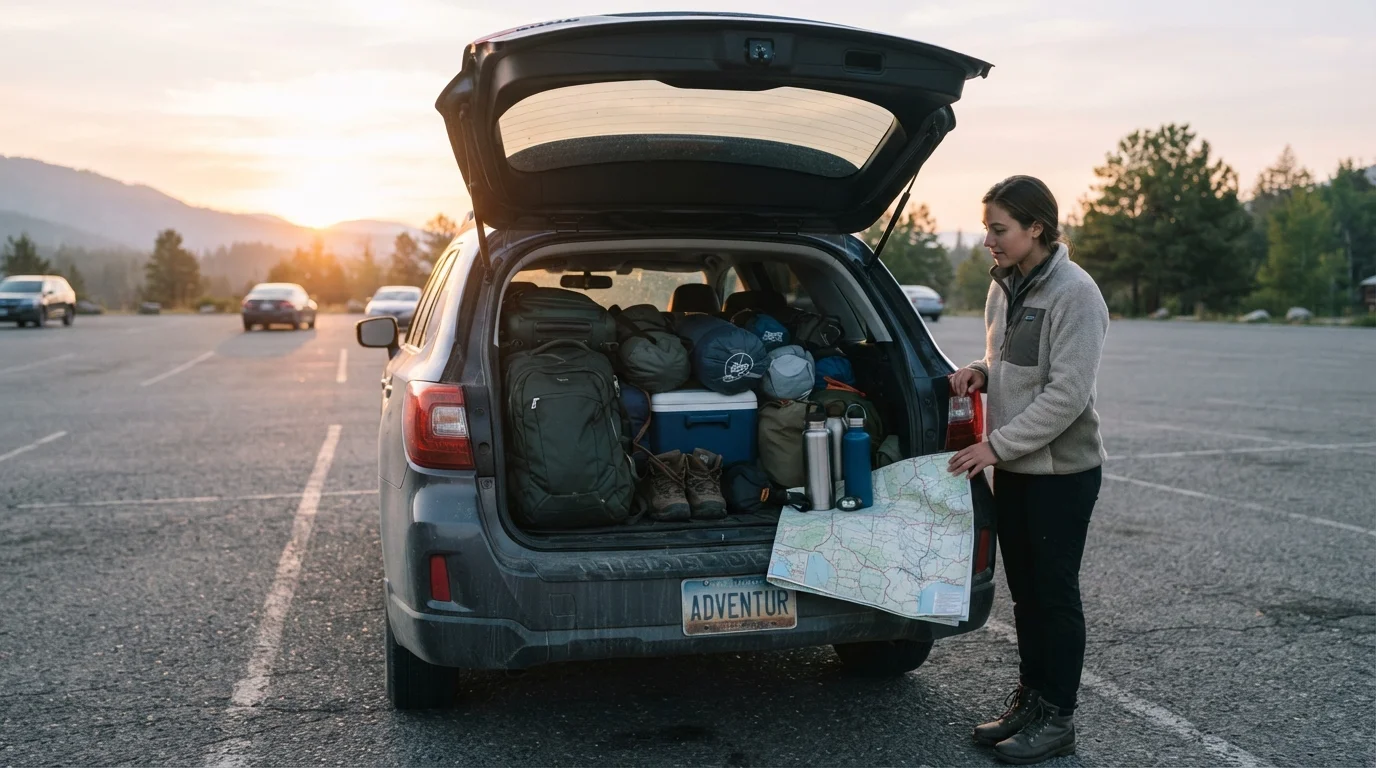
Photo: SaverSteals.com editorial
—— In This Article
Key Takeaways
- Vehicle checks — tires, fluids, brakes, and lights — are the most critical pre-departure step.
- Carry physical copies of key documents even if you store digital backups on your phone.
- A basic emergency kit can make a breakdown manageable rather than dangerous.
- Route planning and communication habits matter as much as what's in the trunk.
- Seasonal conditions can affect which items belong in your kit — adjust accordingly.
Why a Pre-Trip Checklist Actually Matters
Most road trip breakdowns and delays are preventable. A flat tire from low pressure, a dead battery from a weak cell, or a forgotten prescription — these are the kinds of problems that a 30-minute walkthrough can head off before you leave the driveway. This checklist is designed to make that walkthrough systematic, so nothing falls through the cracks under the pressure of departure day excitement.
If you're still in the planning phase, see our practical starting point for first-time road trip planners — this checklist assumes your route, stops, and accommodations are already locked in. For a broader framework that includes budgeting and packing, the comprehensive road trip planning guide covers the full picture.
Vehicle Condition
Documents and Insurance
Emergency Kit
Navigation and Communication
Comfort and Supplies
What to Have Ready Before You Walk Out the Door
Beyond the vehicle itself, several non-mechanical items belong on your pre-departure list. Documents, communication plans, and comfort supplies are easy to overlook when attention is focused on the car.
Don't Skip the Spare Tire Check
Many drivers discover their spare is flat or missing only after they've already had a blowout. Before every road trip, physically remove the spare and verify its pressure and condition. A spare that's been sitting unused can lose air over time and may not be road-worthy when you actually need it.
For travelers heading out alone, safe solo travel habits covers sharing itineraries and situational awareness in more depth. And once everything is in the car, smart car-packing strategies can help keep essentials accessible rather than buried under gear.
Tire Pressure Gauge
Used to verify each tire is inflated to the correct PSI before departure.
Jump Starter Pack
Allows you to restart a dead battery without needing another vehicle present.
Offline Map App
Provides navigation in areas with poor or no cellular signal during the drive.
Portable Phone Charger
Keeps phones and navigation devices powered during long stretches between outlets.
Roadside Flares or Warning Triangles
Alerts other drivers to your stopped vehicle if you break down on or near the road.
First Aid Kit
Addresses minor injuries on the road until professional medical help is available.
Paper Road Atlas
Serves as a reliable backup navigation tool when phones and apps fail.
For weather-specific preparation — especially if you're driving in winter or through desert heat — seasonal vehicle prep guidance outlines what to check as conditions change. Your emergency kit contents should reflect the season and terrain of your specific route.
This article provides general vehicle and travel preparation information for educational purposes. For mechanical concerns, consult a qualified mechanic. For health- or medication-related travel needs, speak with your healthcare provider before departing.

Travel Editorial Team
Travel Editorial Team is the collective byline for our editorial team and contributor network. Articles published under this byline or an editorial pen name are researched, written, and reviewed according to our editorial standards for clarity, consistency, and independence before publication.
View author profile