
Staying Safe on Solo Trips: Practical Habits for American Travelers
From sharing itineraries to situational awareness and digital security, these habits help solo travelers stay grounded and prepared.
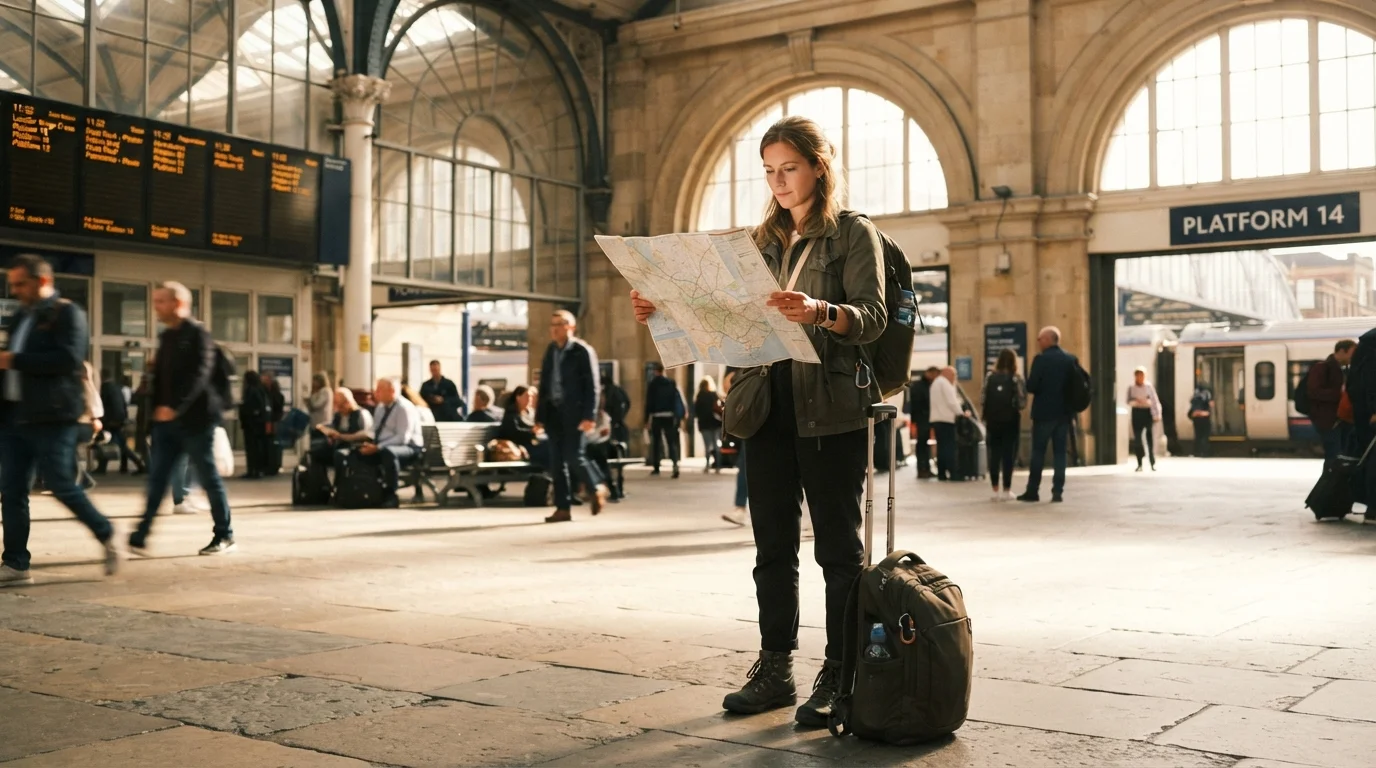
Photo: SaverSteals.com editorial
—— In This Article
Key Takeaways
- Share a detailed itinerary with a trusted contact before every solo departure.
- Situational awareness — knowing your surroundings — is your most portable safety tool.
- Digital security habits like offline maps and device locks reduce vulnerability on the road.
- Keeping emergency contacts, documents, and backup funds accessible can limit crisis damage.
- Solo road trips require extra vehicle preparation steps before you leave home.
Why Solo Travel Demands a Different Mindset
Traveling alone strips away the safety net that comes naturally with a group. There's no one to flag a sketchy neighborhood, hold your bag while you ask for directions, or call for help if something goes wrong. That doesn't make solo travel dangerous by default — millions of Americans do it safely every year — but it does mean you carry more personal responsibility for your own preparedness.
The habits that matter most aren't dramatic. They're consistent, low-effort routines that compound over time into reliable protection. Whether you're driving solo across state lines or flying to an unfamiliar city, the same core principles apply. For those heading out on a road trip alone, our guide to driving alone vs. with passengers covers what to expect from each experience.
“The most important safety tool a solo traveler carries isn't a device or a piece of gear — it's a plan that someone else knows about.”
— Travel Editorial Team, Consumer travel editors focused on practical, research-grounded guidance
Before You Leave: Communication and Documentation
The single highest-value habit for solo travelers costs nothing: tell someone exactly where you're going. Share your full itinerary — accommodation names, addresses, reservation numbers, and expected travel dates — with at least one trusted person at home. Agree on a check-in schedule so they know when to expect to hear from you.
Share a written itinerary with a trusted contact before departure.
If you're unreachable in an emergency, a trusted contact with your itinerary can alert authorities and provide useful location details. Verbal plans are easily forgotten; written ones are actionable.
Establish a check-in schedule and stick to it.
A regular check-in creates a reliable trigger for concern if contact is missed. It transforms a passive safety net into an active one without requiring real-time tracking.
Carry a small emergency cash reserve separate from your main wallet.
Card readers fail, cards get skimmed, and wallets get lost. A hidden cash reserve — enough for a taxi, a meal, and basic communication — can bridge a crisis until you access primary funds.
Research your destination's local emergency numbers and nearest medical facilities before arrival.
911 is US-specific; many countries use different emergency numbers. Knowing where the nearest clinic or hospital is relative to your accommodation removes a stressful search during a crisis.
Limit public display of expensive electronics, jewelry, and large amounts of cash.
Opportunistic theft is far more common than confrontational crime. Reducing visible signals of value lowers the chance you become a target in busy public spaces.
Beyond communication, carry both digital and physical copies of key documents: passport or ID, travel insurance policy number, emergency contacts, and any relevant medical information. Store digital copies in a cloud folder you can access from any device. A compact backup of this information in a separate bag from your wallet adds another layer of redundancy.
On the Ground: Situational Awareness Without Paranoia
Situational awareness simply means knowing what's around you before something requires your attention. It's not about suspicion — it's about noticing exits, identifying the safest routes, and avoiding distraction at vulnerable moments like arriving somewhere new at night or navigating unfamiliar transit systems.
Arrive in New Places During Daylight
Whenever your schedule allows, plan to arrive in unfamiliar destinations before dark. Navigating a new neighborhood, finding your accommodation, and orienting yourself is meaningfully easier — and generally safer — in daylight. If a delay pushes your arrival to late evening, arrange your ground transportation in advance rather than figuring it out on arrival.
Practical habits include: keeping your phone in a front pocket rather than an open bag, avoiding earbuds in both ears in crowded public spaces, and researching your destination's general layout before arrival so you're not squinting at your phone map on a busy street corner. If a situation feels wrong, trust that instinct and move toward a public, populated space.
72%
Solo travelers who feel unsafe using public Wi-Fi abroad
According to a 2023 NortonLifeLock cybersecurity survey, a significant majority of travelers express concern about data security on unsecured networks while traveling.
1 in 6
Americans who have had property stolen while traveling
Data from the US Travel Association's traveler sentiment research indicates opportunistic theft remains a leading travel safety concern for American consumers.
Digital Security and Device Readiness
Your phone is both your most important travel tool and one of your most exposed vulnerabilities. A few simple steps significantly reduce risk. Enable a strong PIN or biometric lock. Download offline maps before leaving — apps like Google Maps allow offline area downloads — so you're not dependent on data or visible to opportunistic thieves while searching for directions. Avoid using public Wi-Fi for anything involving financial accounts or personal data; if you must, use a VPN.
Back up your photos and essential data to the cloud before you leave, so a lost or stolen device doesn't mean lost memories or stranded without access to key information. For broader device security basics, our guide to securing a new device covers foundational steps worth reviewing before any trip.
Vehicle and Road-Specific Preparation
Solo road trips introduce specific risks: if your car breaks down, you're handling it alone, often on an unfamiliar road. A thorough pre-departure vehicle check is non-negotiable. Tires, fluids, brakes, lights, and emergency kit contents should all be verified before you turn the key. Our pre-trip vehicle checklist walks through each item in detail.
On the road, keep your gas tank above a quarter full when driving through rural areas. Keep an emergency kit — jumper cables, a flashlight, water, a basic first-aid kit, and a phone charger — within easy reach. If you experience a mechanical issue, pull as far off the road as safely possible, turn on your hazard lights, and call for roadside assistance rather than attempting repairs in traffic. For a comprehensive planning framework, see our road trip planning guide.
This article is for general informational purposes only. Verify safety, entry, and legal requirements with official sources before traveling, and consult qualified professionals for medical or financial decisions related to your trip.

Travel Editorial Team
Travel Editorial Team is the collective byline for our editorial team and contributor network. Articles published under this byline or an editorial pen name are researched, written, and reviewed according to our editorial standards for clarity, consistency, and independence before publication.
View author profile