
Layering Clothing Effectively Across Different Seasons
Layering is about more than warmth—it shapes proportion, versatility, and polish. Here's how to approach it thoughtfully through the year.
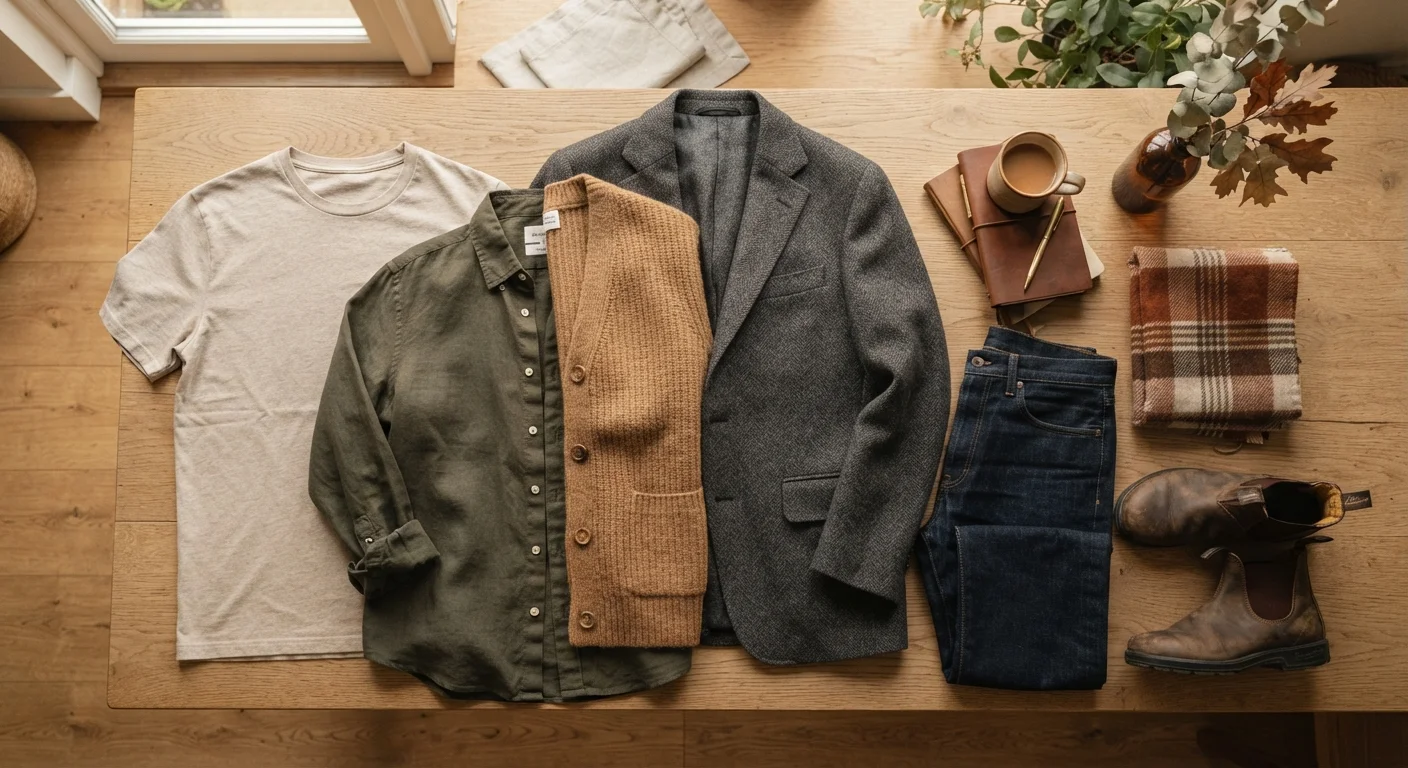
Photo: SaverSteals.com editorial
—— In This Article
Key Takeaways
- Layering works best when you build from lightweight base pieces outward to heavier outer layers.
- Proportion matters as much as warmth — mixing volumes intentionally prevents a bulky, unpolished look.
- A well-layered wardrobe lets fewer pieces do more work across more seasons.
- Fabric choice determines whether layers feel sleek or stiff — prioritize pieces that move well together.
- Transitional seasons reward layering most; mastering spring and fall dressing unlocks year-round versatility.
Why Layering Is a Style Skill, Not Just a Weather Response
Most of us layer out of necessity — throw on a jacket when it's cold, peel it off when it warms up. But layering done thoughtfully is one of the most effective styling tools available, shaping how an outfit reads in terms of polish, proportion, and personality. Understanding it as a deliberate practice rather than a temperature fix changes how you dress entirely.
The key insight is that layering creates visual depth and dimension. A single well-fitted piece is fine; a few pieces working in harmony together can look genuinely considered. If you've been working on building a versatile wardrobe from scratch, mastering layering is the natural next step — it multiplies what your existing pieces can do.
Season-by-Season Layering Logic
Fall and Spring are where layering pays off most. Temperatures swing wildly throughout the day, so the goal is flexibility. A base layer plus a mid-layer (like a relaxed overshirt or lightweight knit) gives you something to remove or add without dismantling an outfit. These transitional seasons also offer the most forgiving silhouettes — looser outer pieces over slimmer foundations read as intentional rather than mismatched.
Winter layering shifts toward function-forward thinking, but proportion still matters. Thick knitwear under a structured coat can add visual bulk quickly. Opting for finer-gauge knits as mid-layers keeps you warm without adding visual weight. Pay attention to how collar and necklines stack — a turtleneck under a crewneck sweater, for instance, creates clean, stacked lines rather than a messy pile-up.
Summer layering is light-handed — a linen shirt left unbuttoned over a fitted tank, or a lightweight denim jacket for overly air-conditioned spaces. The goal here isn't warmth; it's texture, dimension, and the practical reality of indoor-outdoor temperature swings. Breathable fabrics like linen, cotton, and tencel are essential so layers don't trap heat.
“The best outfits aren't just clothes — they're systems. Layering is how you build a wardrobe that adapts rather than one you have to rebuild every season.”
— Tim Gunn, Fashion educator and author
Common Layering Mistakes (and How to Avoid Them)
The most frequent issue is ignoring proportion. Piling on similarly voluminous pieces — an oversized hoodie under a boxy jacket, for example — creates width without intentional shape. A useful rule of thumb: if your outer layer is relaxed, keep the mid and base layers slimmer. Understanding proportion in outfit building helps make every layer look deliberate rather than accidental.
Another common misstep is ignoring fabric compatibility. Slippery fabrics bunch and shift under structured outer layers. Knits with too much texture can snag against wovens. Aim for fabrics that have similar drape or at least don't fight each other when you move.
Finally, collar and hem lengths need attention. A shirt hem that hangs several inches below a sweater looks unfinished unless you're going for a deliberate layered-hem effect. Check proportions in a full-length mirror before leaving the house — what looks neat from the front can read as chaotic from the side.
Tuck One Layer to Reset the Proportions
If a layered outfit looks messy or overwhelming, try tucking just the front of your base or mid-layer into your waistband. This simple adjustment instantly creates a waist point and breaks the visual mass of multiple layers. It's one of the quickest proportion fixes in everyday dressing.
Making Layering Work for Your Real Wardrobe
You don't need a wardrobe overhaul to layer well. Start with what you already own — building outfits from what you already have is genuinely possible with a layering framework. Identify your base layers (fitted tees, tanks, thin turtlenecks), your mid-layers (button-downs, lightweight knits, zip-up fleeces), and your outer layers (structured coats, denim jackets, trenches). Once pieces are sorted by function, combinations come more naturally.
Neutral and tonal layering — stacking pieces in similar color families — is the most forgiving approach when you're getting started. As your confidence builds, mixing textures within a single tonal palette (a cream ribbed knit over a crisp white shirt, for instance) adds sophistication without the complexity of color clashing.
Accessories are another layering tool often overlooked — a scarf adds both warmth and a visual layer without adding clothing bulk. For more on that interplay, see how accessories function as a style tool.

Style Editorial Team
Style Editorial Team is the collective byline for our editorial team and contributor network. Articles published under this byline or an editorial pen name are researched, written, and reviewed according to our editorial standards for clarity, consistency, and independence before publication.
View author profile