
Sinking Funds: How to Budget for Expenses That Aren't Monthly
Car registration, holiday gifts, annual subscriptions—sinking funds let you spread irregular costs across months so they never blindside you.
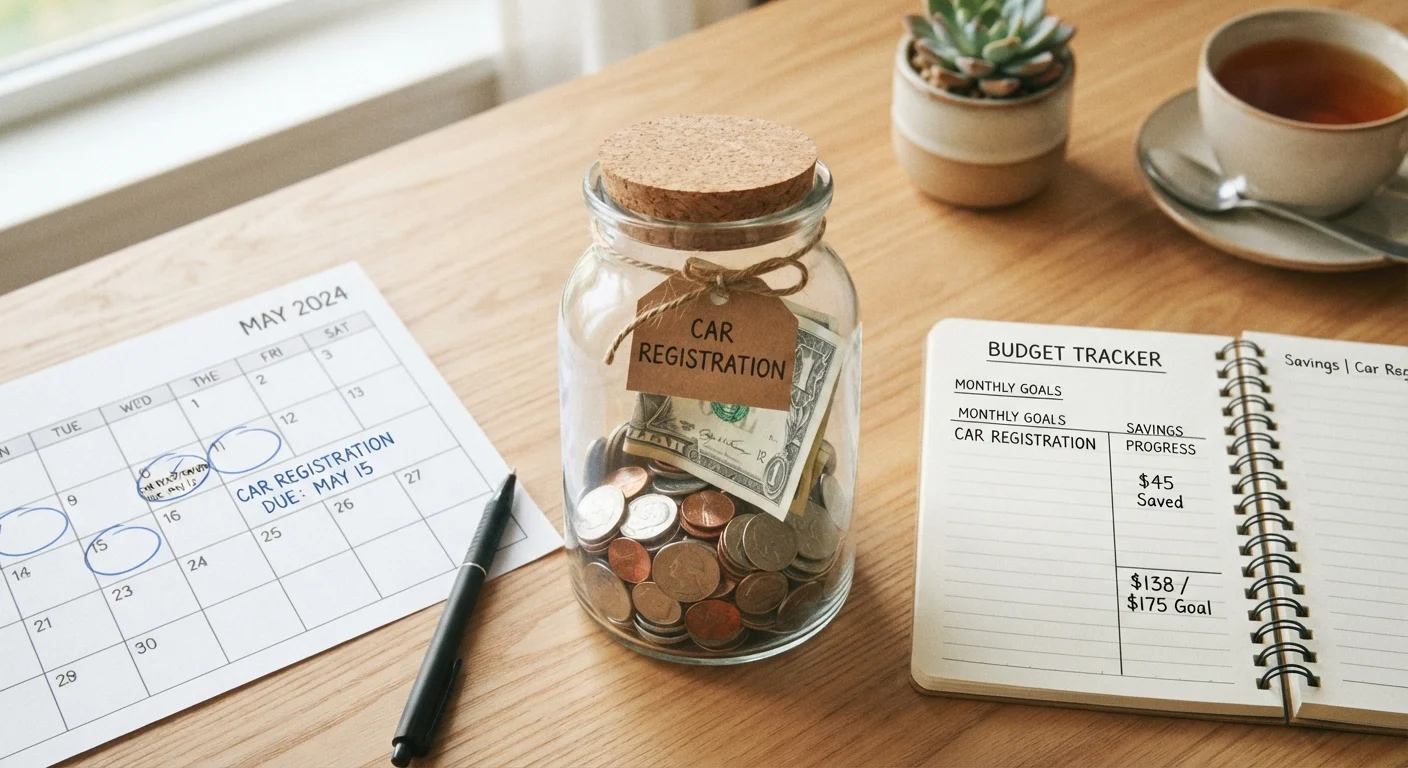
Photo: SaverSteals.com editorial
—— In This Article
Key Takeaways
- Sinking funds convert irregular, large expenses into small, predictable monthly contributions.
- Common uses include car registration, home repairs, holiday gifts, and annual insurance premiums.
- Unlike an emergency fund, sinking funds cover known costs — not surprises.
- You can maintain multiple sinking funds simultaneously for different expense categories.
- Even modest monthly contributions can prevent budget-busting bills from derailing your finances.
Why Irregular Expenses Break Most Budgets
Most budgeting systems are built around monthly income and monthly bills — rent, utilities, groceries. The problem is that real life doesn't only charge you monthly. Car insurance renewals, holiday shopping, annual memberships, property taxes, and dental work all arrive on their own schedule, and they rarely send a warning.
Without a plan, these costs arrive as emergencies, forcing people to raid savings, carry a credit card balance, or miss other financial goals. This is sometimes called "budget amnesia" — forgetting that predictable annual costs exist until they're staring you in the face.
Understanding how your spending breaks down into fixed and variable categories is a useful starting point. Our guide on fixed vs. variable expenses explains how these cost types behave differently and why both require a specific strategy.
Predictable Isn't the Same as Monthly
An expense can be entirely predictable — you know it's coming, you know roughly what it will cost — and still fall outside a monthly budget's natural rhythm. Annual, semi-annual, and quarterly costs all fit this category. Sinking funds exist specifically to bridge that gap, smoothing out irregular timing into a steady monthly commitment.
How a Sinking Fund Works in Practice
The math behind a sinking fund is straightforward. Estimate the total cost of the upcoming expense, count the months until it's due, and divide. That quotient becomes your monthly contribution.
- Car registration ($180 due in 9 months): Set aside $20/month.
- Holiday gifts ($600 budget in 6 months): Set aside $100/month.
- Annual home warranty ($360 due in 12 months): Set aside $30/month.
Each fund lives in its own mental — or literal — bucket. When the expense arrives, the money is already there. No stress, no scrambling, no debt.
$1,400+
Average American holiday spending per year
The National Retail Federation has consistently reported average holiday spending in this range, making it one of the largest predictable annual expenses for households.
1 in 3
Americans who have no dedicated savings for irregular expenses
Surveys by financial research organizations have found that a significant share of U.S. households rely on credit cards or emergency funds to cover predictable but non-monthly costs.
$500–$800
Typical annual cost of unexpected auto maintenance
AAA research has estimated that vehicle owners should budget several hundred dollars annually for routine repairs and maintenance not covered by scheduled service.
If you're building this system from scratch, our deeper walkthrough on setting up a sinking fund covers how to prioritize which funds to open first and how to structure your savings accounts.
Sinking Funds vs. Your Emergency Fund
These two savings tools are often confused, but they serve distinct purposes. Your emergency fund is a buffer for genuinely unpredictable events — a layoff, an unexpected medical bill, a burst pipe. It should remain untouched unless a true emergency occurs.
Sinking funds, by contrast, handle the costs you already know are coming. Using your emergency fund to pay for Christmas gifts or a routine car service undermines its purpose and leaves you exposed to real crises.
If you're still working on your emergency fund foundation, our guide on building your first emergency fund offers a practical starting point, even when money is tight.
Label Your Savings Buckets Clearly
If your bank allows sub-accounts or savings buckets with custom names, use them. Labeling an account "Holiday 2025" or "Car Registration" makes it psychologically easier to leave the money alone — and easier to see at a glance whether you're on track. Unnamed savings pools are more vulnerable to casual spending.
Building Sinking Funds Into Your Existing Budget
Adding sinking funds to a budget doesn't require starting over — it's a layer you add on top of your existing monthly structure. The key is to treat each monthly contribution as a fixed, non-negotiable line item, just like rent or a car payment.
Start by auditing the past 12 months of bank and credit card statements. Identify every non-monthly expense you paid. Group them into categories, note their amounts and timing, then calculate the monthly savings target for each.
Reviewing your spending categories can help you spot gaps — costs you've been absorbing haphazardly that would be better handled through dedicated funds. A regular monthly budget health check is also a useful habit for ensuring your sinking fund contributions stay calibrated as costs change.
This article is for general informational purposes only and does not constitute personalized financial advice. Consider consulting a qualified financial professional for guidance specific to your situation.
Frequently Asked Questions

Finance Editorial Team
Finance Editorial Team is the collective byline for our editorial team and contributor network. Articles published under this byline or an editorial pen name are researched, written, and reviewed according to our editorial standards for clarity, consistency, and independence before publication.
View author profile