
Building Your First Emergency Fund on a Tight Budget
A practical walkthrough for setting aside a financial cushion even when money feels scarce. No large income required.
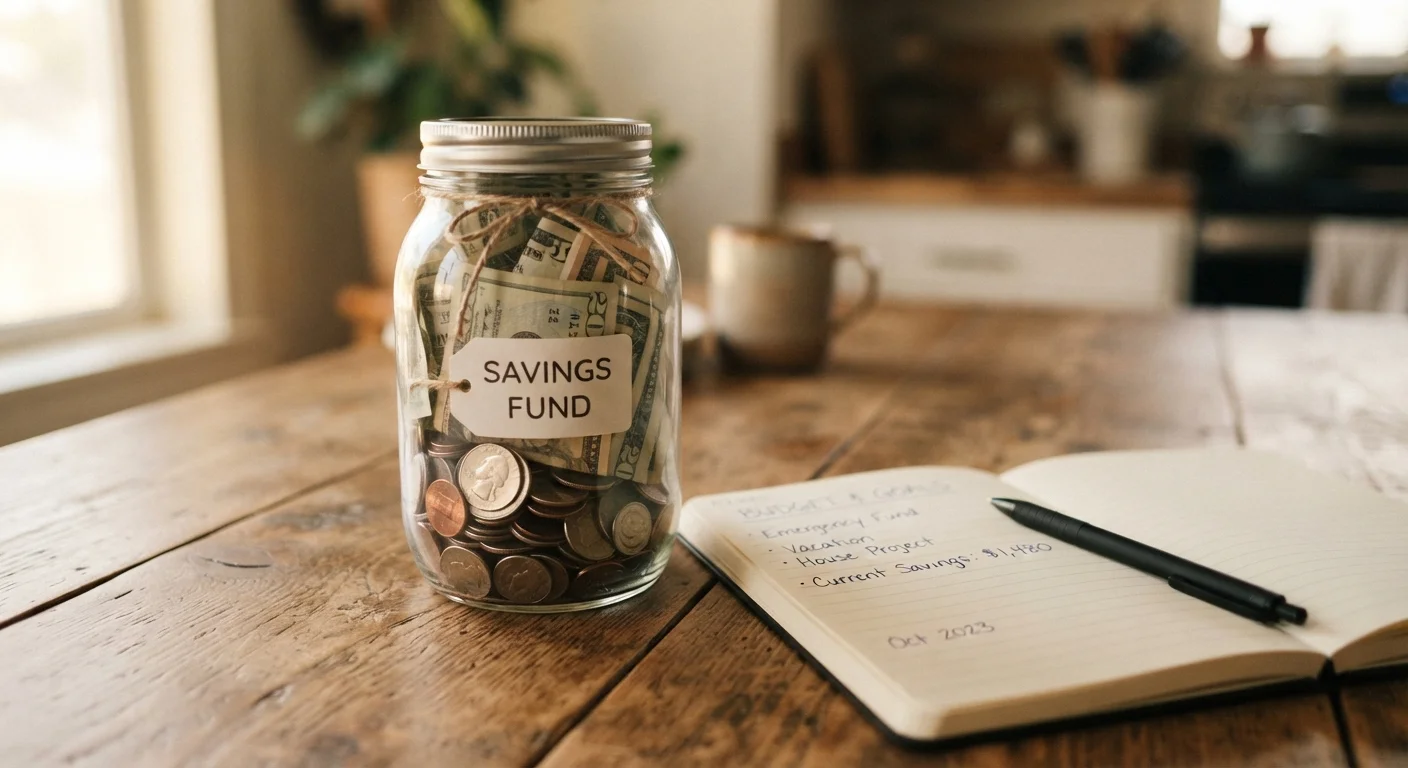
Photo: SaverSteals.com editorial
—— In This Article
Key Takeaways
- A starter emergency fund of $500–$1,000 provides meaningful protection before you aim for three to six months of expenses.
- Automating even a small weekly transfer removes the temptation to skip saving when money feels tight.
- Keeping your emergency fund in a separate account reduces the urge to spend it on non-emergencies.
- You do not need a large income to start — consistent small contributions matter more than the size of each deposit.
- Saving and debt payoff are not mutually exclusive; a small cushion can prevent new debt when unexpected costs arise.
Why an Emergency Fund Matters Even When You're Stretched
An emergency fund is a dedicated pool of money set aside exclusively for unplanned, necessary expenses — a car breakdown, an urgent dental bill, or a gap in income. Without one, most people turn to credit cards or personal loans when crises hit, which adds interest costs and can spiral into longer-term financial stress.
The counterintuitive truth is that people on tighter budgets often benefit most from having even a small cash cushion. A modest buffer prevents one bad week from undoing months of careful financial management. Building strong budgeting foundations and maintaining a small emergency fund are two of the most reliably stabilizing steps in personal finance.
This guide walks you through a realistic, step-by-step process — no large income required, no complex strategies involved.
What you will need
What You'll Need Before You Start
You don't need much to begin, but having the right tools in place makes the process smoother and more sustainable.
High-yield savings account
Holds your emergency fund separately from spending money while earning modest interest.
Monthly budget or spending tracker
Helps identify where small amounts can be redirected toward your emergency fund.
Automatic transfer feature
Schedules recurring transfers so saving happens without relying on willpower each week.
Step-by-Step: Building Your Emergency Fund
Follow these steps in order. Each one builds directly on the last, so resist the urge to skip ahead. If you haven't yet mapped out your monthly income and expenses, our introduction to personal budgeting is a useful starting point before diving into the steps below.
Set a realistic starter target
Before you save a single dollar, decide on a concrete first milestone. Financial educators commonly suggest a starter goal of $500 to $1,000 rather than the full three-to-six months of expenses often cited as the long-term standard. A smaller initial target is achievable on almost any income, delivers real protection against minor emergencies, and builds the psychological momentum needed to keep going.
Find the money inside your current budget
Review your last 30 days of spending and look for any category where you could redirect even $10–$25 per week. Common areas include subscription services you rarely use, dining out, or impulse purchases. You are not looking for dramatic cuts — small, sustainable reductions add up. If you need a structured approach, see our seven-step monthly budget guide to map your income and expenses clearly before making changes.
Open a dedicated savings account
Keep your emergency fund completely separate from your everyday checking account. When the money is out of sight, it is less likely to be used for non-emergencies. A basic savings account at a bank or credit union works fine. A high-yield savings account (one that pays a higher-than-average interest rate) is worth considering, as your balance grows faster with interest working in your favor — though the primary goal is accessibility, not maximizing returns.
Automate your contributions
Set up an automatic transfer from your checking account to your emergency savings account timed to occur shortly after each paycheck arrives. Even $20 per week adds up to over $1,000 in a year. Automation removes the decision point — you never have to actively choose to save, which eliminates one of the biggest barriers for people on tight budgets.
Define what counts as an emergency
Before your fund grows, agree with yourself on what qualifies as an emergency. Genuine emergencies include unexpected medical costs, urgent car repairs needed to get to work, or sudden loss of income. Planned expenses — holiday gifts, vacations, annual subscriptions — are not emergencies. For those, consider a separate savings strategy like a sinking fund for irregular expenses so predictable costs never derail your emergency buffer.
Balance saving with existing debt
One of the most common dilemmas is whether to build an emergency fund while carrying high-interest debt. The general guidance from financial educators is to establish a small starter fund first — even $500 — because without it, any unexpected expense will likely be charged to a credit card, adding to your debt. Once your starter fund is in place, you can direct more dollars toward debt aggressively. For a detailed look at the trade-offs, see our guide on saving versus debt payoff.
Small Wins Build Lasting Habits
Research in behavioral economics suggests that reaching early, smaller goals reinforces the habit of saving more reliably than chasing a distant large number. Celebrate hitting your first $100, then $250 — each milestone makes the next one feel more achievable.
Don't Pause Saving After a Setback
If you miss a week or need to withdraw funds for a genuine emergency, restart contributions as soon as possible rather than waiting for the 'right time.' Interruptions are normal; abandoning the habit entirely is the real risk. Even a temporary reduction in your transfer amount keeps the momentum alive.
Once Your Starter Fund Is in Place
Reaching your first milestone — say, $500 or $1,000 — is a genuine financial achievement. At that point, you have a few clear options: continue building toward one to three months of expenses, shift focus toward high-interest debt, or split contributions between both goals. There is no single correct answer; the right balance depends on your interest rates, income stability, and personal risk tolerance.
As your financial habits mature, you may also want to explore sinking funds for planned future expenses — a complementary system that keeps irregular costs from eroding your emergency buffer over time.
This article is for general informational and educational purposes only and does not constitute personalized financial advice. Consult a qualified financial professional for guidance specific to your situation.

Finance Editorial Team
Finance Editorial Team is the collective byline for our editorial team and contributor network. Articles published under this byline or an editorial pen name are researched, written, and reviewed according to our editorial standards for clarity, consistency, and independence before publication.
View author profile