
Sinking Funds: A Simple System for Saving Toward Predictable Expenses
A sinking fund is a savings tool for expenses you know are coming. Learn how to set one up and decide what to fund first.
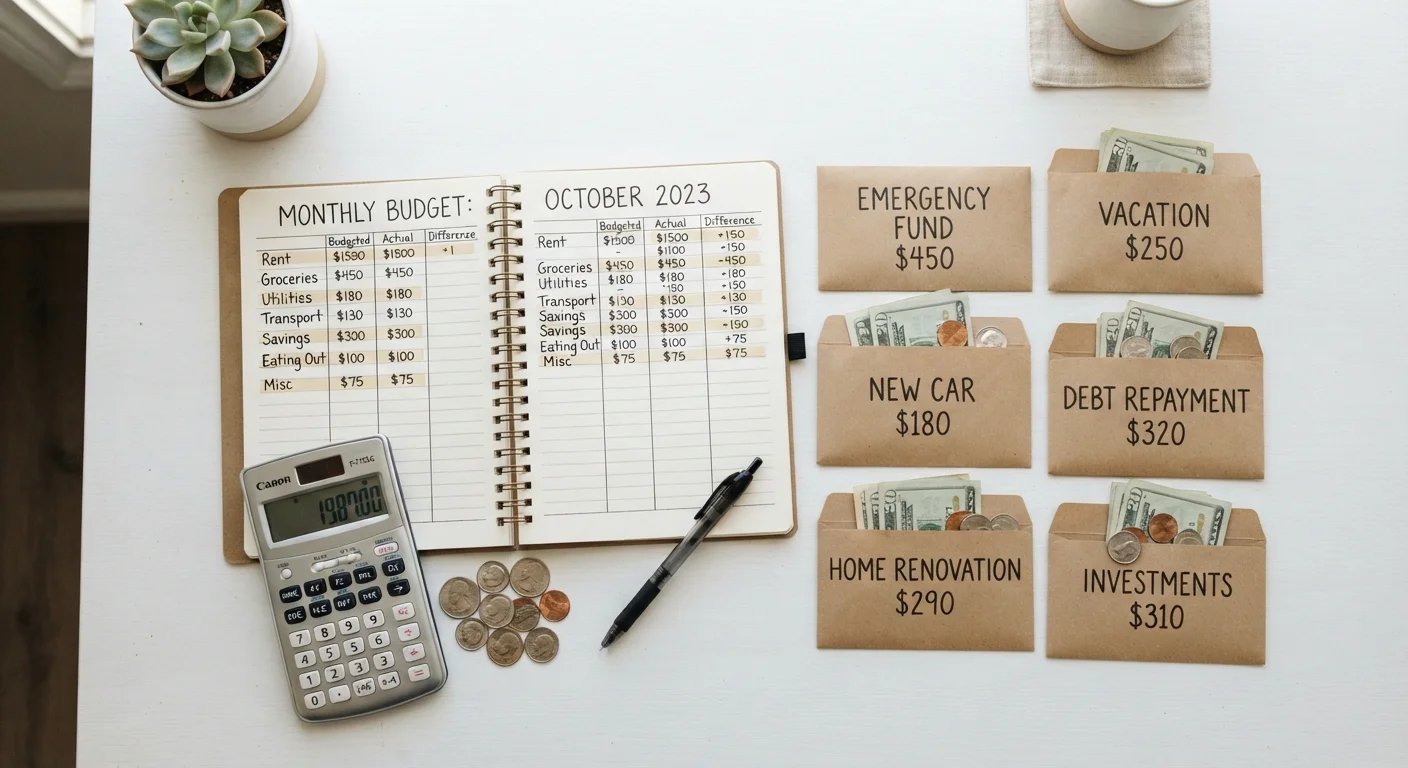
Photo: SaverSteals.com editorial
—— In This Article
Key Takeaways
- A sinking fund is a dedicated savings bucket for a known future expense.
- Divide the total cost by months remaining to calculate your monthly contribution.
- Keep sinking funds separate from your emergency fund to avoid confusion.
- Start with the expense that is closest in time or carries the highest financial risk.
- Even small monthly contributions prevent large expenses from disrupting your budget.
What Is a Sinking Fund and Why Does It Work?
A sinking fund is a savings category you build up over time to cover an expense you already know is coming. The name comes from accounting, where businesses set aside money incrementally to retire debt or replace assets. For personal budgeting, the concept is simpler: you spread the cost of a large, irregular expense across many smaller monthly contributions so it never ambushes your cash flow.
The reason sinking funds work is that they convert surprise-sized bills into predictable budget line items. Car registration, annual homeowner's insurance premiums, holiday gifts, planned vacations — none of these is truly unexpected, yet most households pay for them reactively, either draining savings or reaching for credit. A sinking fund turns a reactive response into a proactive plan.
Sinking funds also complement — rather than compete with — your emergency fund. For a closer look at how these two savings tools differ and interact, see building your first emergency fund. And if you are wondering how sinking funds fit into a broader budgeting framework, budgeting for expenses that aren't monthly covers the category-level view.
Sinking Funds Are Not Emergency Funds
A sinking fund is for expenses you can anticipate — car registration, annual insurance premiums, holiday gifts. An emergency fund is reserved for genuinely unexpected events like job loss or sudden medical bills. Mixing the two undermines both goals. Keep them in separate accounts or clearly labeled sub-accounts.
What You Will Need Before You Start
What you will need
Dedicated savings account or sub-account
Holds your sinking fund contributions separately from everyday spending money.
Spreadsheet or budgeting app
Tracks each fund's target, current balance, and monthly contribution amount.
Calendar or reminder app
Alerts you when a target expense date is approaching so you can verify you are on track.
How to Set Up Your Sinking Funds: Step-by-Step
Follow these steps to build a sinking fund system that fits your actual budget. You can complete the planning portion in under an hour; the ongoing maintenance takes only a few minutes each month.
List your predictable non-monthly expenses
Review the past 12 months of bank and credit card statements. Write down every expense that was predictable but not monthly — car registration, annual subscriptions, holiday gifts, semi-annual insurance premiums, back-to-school supplies, or planned travel. Include the approximate cost and the month it typically falls due.
Do not include true emergencies here. For guidance on keeping those two goals distinct, see our article on emergency fund versus debt payoff.
Calculate your monthly contribution for each fund
For each expense, divide the total cost by the number of months until it is due:
Monthly contribution = Total cost ÷ Months remaining
For example, a $600 car registration due in six months requires $100 per month. A $1,200 holiday budget spread over 12 months requires $100 per month. Write these figures next to each item on your list.
Prioritize which funds to open first
Add up all your calculated monthly contributions. If the total exceeds what your budget allows, you will need to prioritize. Use two criteria: urgency (how soon is the expense due?) and consequence (how much financial disruption would it cause if you were unprepared?). Start with the fund that scores highest on both.
If you are simultaneously working on debt, a balanced approach is possible — managing debt and savings at the same time walks through how to allocate dollars across both goals without stalling either.
Open a separate account or sub-account
Create a dedicated place to hold your sinking fund money. Many online banks offer free sub-savings accounts you can label by purpose. Alternatively, a simple separate savings account at your existing institution works well. The goal is to make the money visible but not immediately accessible for impulse spending.
Automate your monthly contributions
Set up an automatic transfer from your checking account to each sinking fund on or just after your payday. Automating removes the decision — and the temptation to skip a month. Treat it exactly like a fixed bill: the money leaves before you can spend it elsewhere.
Review your budgeting basics to confirm you have accounted for these transfers in your monthly spending plan.
Track progress and adjust as costs change
Review each fund once a month — a quick check to confirm the balance is on target. Costs change: insurance premiums rise, travel gets more expensive, gift lists grow. Adjust your monthly contribution whenever your estimate changes, and do so before the expense arrives, not after.
Name Your Accounts to Stay Motivated
Many online banks and credit unions allow you to label sub-savings accounts. Naming an account 'Car Registration — Due October' makes the purpose concrete and discourages casual spending from it. Specific labels also make it easier to track progress at a glance.
Common Pitfalls and How to Avoid Them
Even a simple system has failure points. The most common one is underfunding — setting a contribution so small that the fund barely grows, which leads to abandoning the system entirely. If you cannot fully fund a category right away, fund it partially and increase the contribution when your cash flow improves.
A second pitfall is treating the fund as a general savings overflow. Once money is earmarked for a specific purpose, withdrawing it for anything else defeats the system. If you find yourself raiding sinking funds frequently, that is a signal your monthly budget needs a closer look — a budgeting basics review can help identify where spending pressure is coming from.
Don't Fund Everything at Once
Opening five or six sinking funds simultaneously can spread your cash too thin and slow your progress on each one. Start with one or two funds tied to your most pressing upcoming expenses, then add more as your budget allows.
Finally, remember that sinking funds are one tool in a larger financial plan. They are most powerful when used alongside an emergency reserve and a clear strategy for any outstanding debt. See managing debt and savings simultaneously for a framework that addresses both at once.
This article is for general informational and educational purposes only and does not constitute personalized financial advice. Consult a qualified financial professional for guidance tailored to your individual circumstances.

Finance Editorial Team
Finance Editorial Team is the collective byline for our editorial team and contributor network. Articles published under this byline or an editorial pen name are researched, written, and reviewed according to our editorial standards for clarity, consistency, and independence before publication.
View author profile