

Key Takeaways
The Real Reason Your Coupon Savings Disappoint
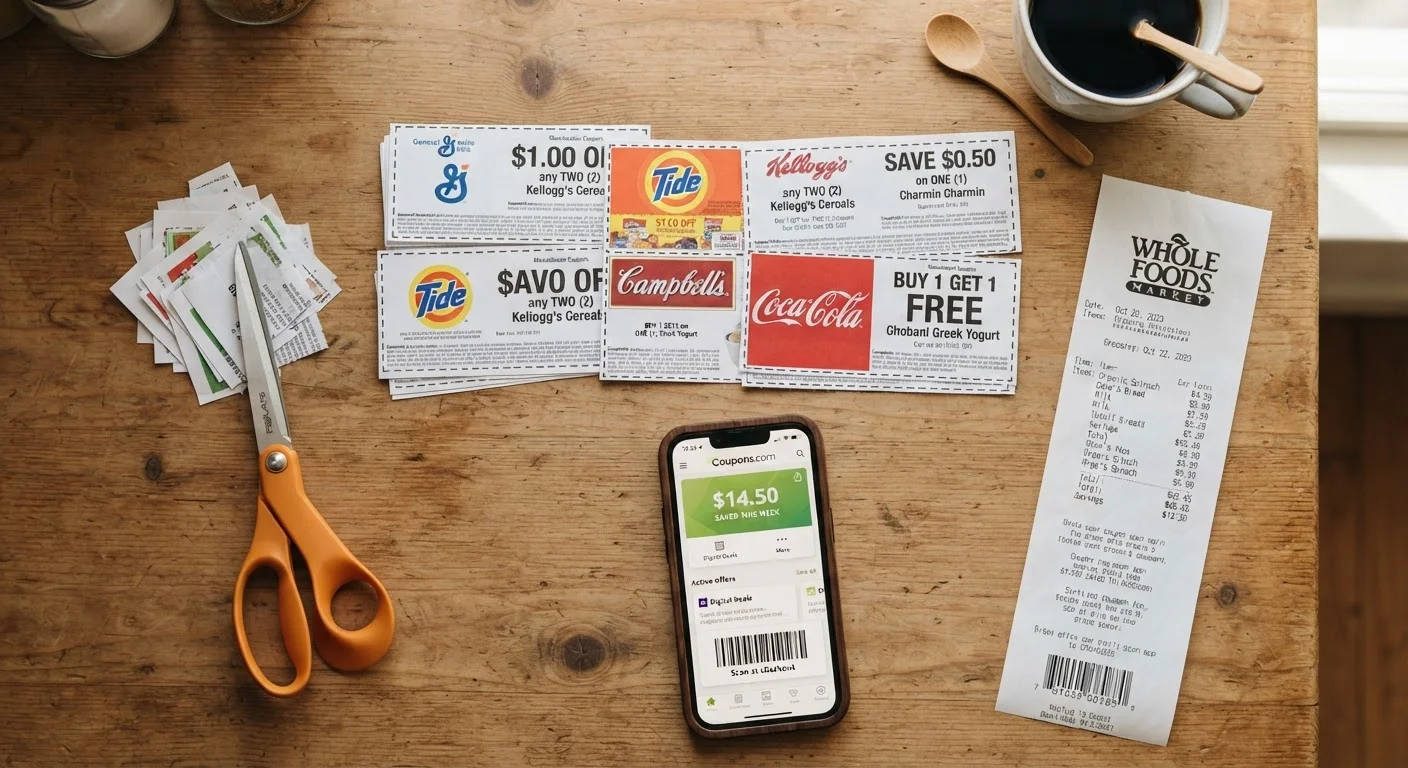
Most shoppers who use coupons regularly still end their grocery trips feeling like the savings didn't add up. The math looked promising in the driveway - a stack of coupons, a few digital clips, maybe a store loyalty discount - but the register total barely budged. If this is your experience, the issue almost certainly isn't a lack of coupons. It's a handful of systematic errors that quietly cancel out your effort.
Couponing isn't complicated, but it is precise. The difference between a shopper who trims $15 off a weekly grocery bill and one who saves $60 isn't the size of their coupon binder - it's their process. This article breaks down the most common mistakes that shrink your savings and gives you a direct path to fixing each one.
For context: the average American household could realistically save $30-$50 per week on groceries through consistent, strategic couponing. If you're landing well below that, at least one of the mistakes below is likely working against you.
Common Couponing Mistakes Draining Your Savings
Work through this list honestly. Most shoppers recognize themselves in at least three of these patterns - and correcting even two of them tends to produce a noticeable jump in weekly savings.
Using coupons on full-price items instead of waiting for a sale to coincide with the discount.
Why it happens: Shoppers feel urgency when a coupon is about to expire and use it immediately rather than holding it for a sale alignment. The expiration date drives the decision instead of the price.
Clipping coupons for products you wouldn't have bought otherwise, treating the discount as profit rather than reduced spending.
Why it happens: Marketing framing around coupons emphasizes "saving" rather than spending. A coupon for an unplanned item feels like found money, not an extra purchase.
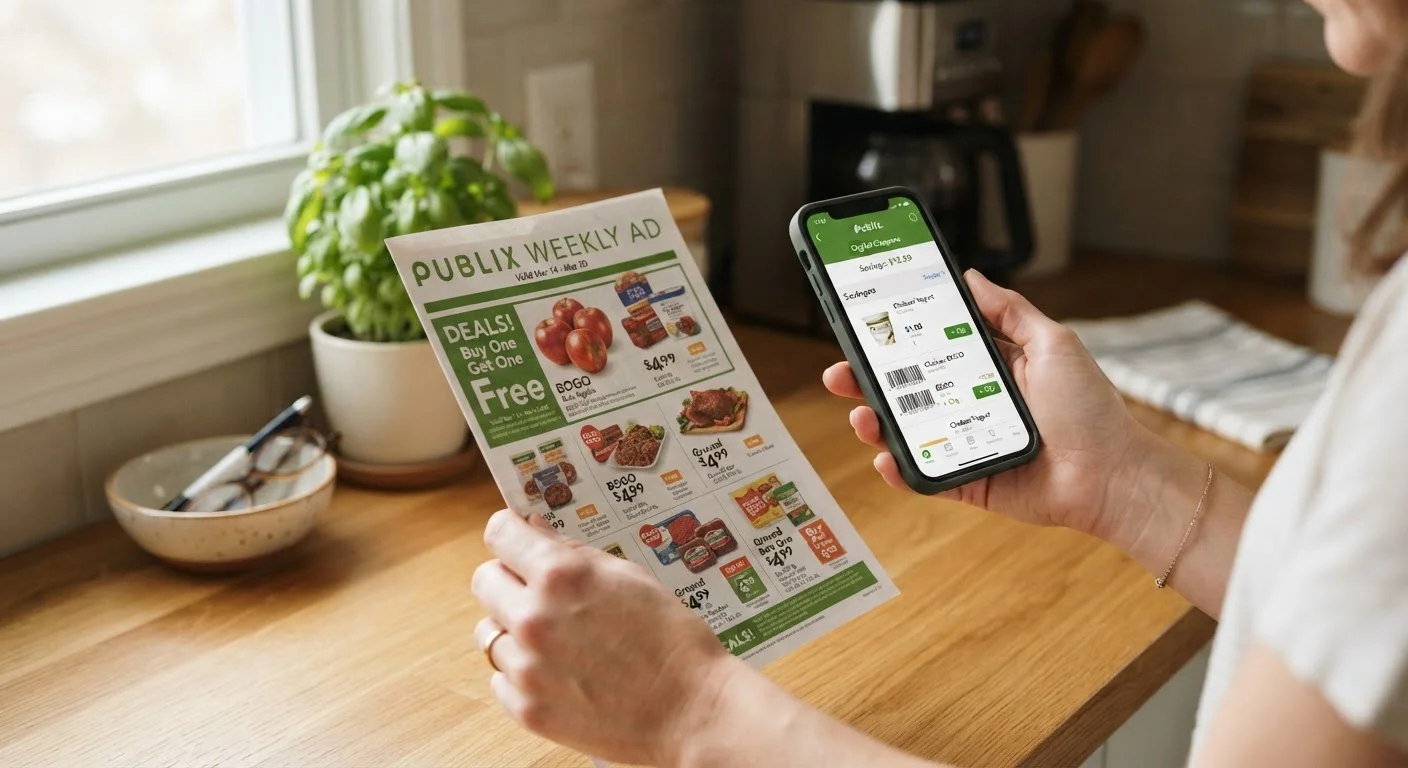
Failing to stack manufacturer coupons with store digital offers and cashback apps on the same item.
Why it happens: Most shoppers aren't aware that multiple discount layers can legally apply simultaneously, or they assume stores prohibit it. Others find the process of checking three platforms per item too time-consuming.
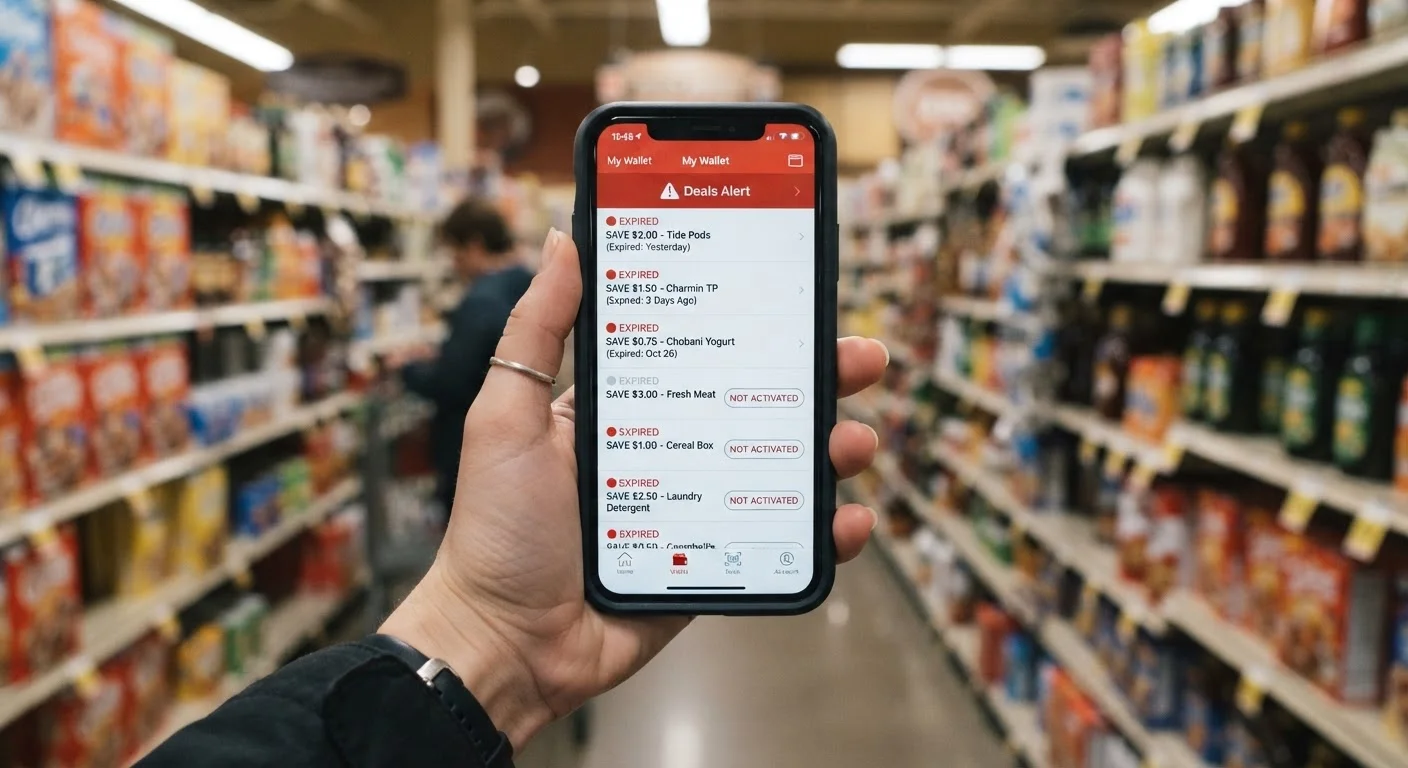
Activating digital coupons in-store, only to find they've expired or were never properly applied to the loyalty account.
Why it happens: Many shoppers browse digital offers passively and assume viewing or favoriting an offer registers it. Store apps often require a separate activation tap that isn't clearly communicated.
Ignoring the size, variant, or quantity restrictions on coupons, leading to register rejection or no savings applied.
Why it happens: Fine print on coupons is easy to skim past, especially on small phone screens. Shoppers assume a coupon for a brand applies broadly when it's actually scoped to one specific SKU.
Letting cashback app offers expire before shopping the qualifying items.
Why it happens: Shoppers clip cashback offers speculatively, intending to shop later, but lose track of the offer window. Many cashback offers have 7-14 day windows that close before the next planned trip.
Shopping without a list and using coupons reactively at the store rather than planning discount opportunities in advance.
Why it happens: Unplanned shopping trips feel efficient in the moment but make it impossible to match coupons to sales or identify stacking opportunities. The coupon becomes an afterthought rather than a planning tool.
Overlooking store-brand alternatives even when coupons on name brands don't close the price gap.
Why it happens: Shoppers commit to the idea that a coupon automatically makes a name-brand item the best deal. The comparison to the uncouponed store-brand price rarely gets made at the shelf.
$1,800+
Average annual coupon savings potential per household
According to RetailMeNot's consumer savings research, strategic coupon users consistently achieve over $1,800 in annual grocery savings - roughly $35 per week.
31%
Digital coupons clipped but never redeemed
A 2023 Inmar Intelligence report found that nearly one-third of digital grocery coupons that consumers activate are never actually applied at checkout.
3x
Savings multiplier when coupons align with store sales
Consumer savings analysts consistently find that combining a manufacturer's coupon with an active store sale multiplies the effective discount by two to three times compared to using the coupon alone.
$23
Average weekly overspend on unplanned coupon purchases
A GfK MRI survey found grocery shoppers who buy items primarily because of coupon availability spend an average of $23 more per week than those who coupon against a pre-set list.
47%
Shoppers who never check cashback apps before grocery trips
Ibotta's internal user research found that nearly half of active app users fail to check for relevant offers before entering the store, missing out on available rebates.
Each mistake below has a compounding effect: fix one, and you'll often find that another becomes easier to address. Think of these as levers, not isolated fixes.
The Stacking Gap: Why Single-Layer Discounts Leave Money Behind
One of the most reliable ways to dramatically increase coupon value is layering multiple discount types on the same purchase. Most shoppers stop at one - they clip a manufacturer's coupon or activate a store digital offer or use a cashback app. Rarely all three simultaneously.
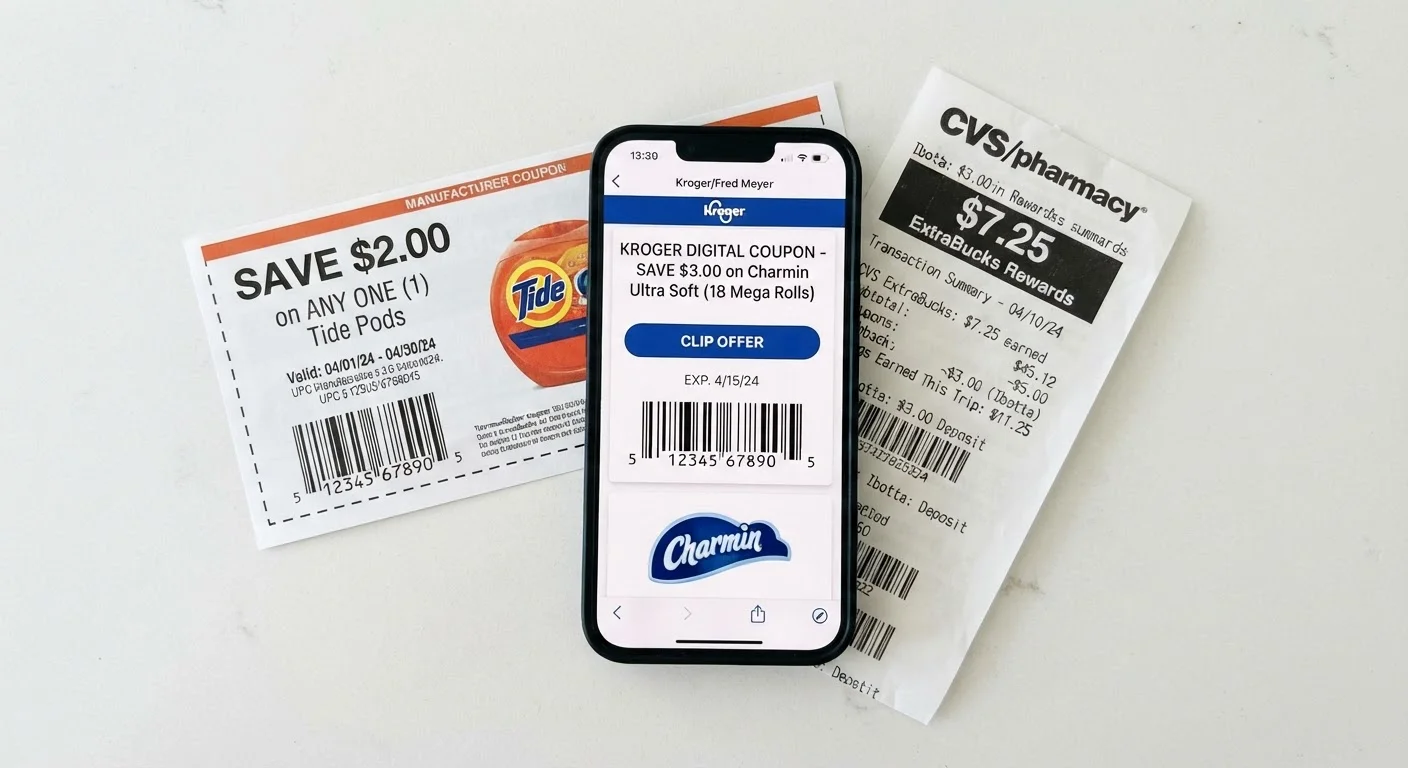
Stacking works because each discount layer operates independently. A manufacturer's coupon reduces the base price. A store coupon or digital club offer applies on top of that reduced price. A cashback app then returns a percentage of whatever you paid. When all three hit the same item, a $4.99 product can realistically cost $1.50 or less out of pocket.
Not All Stores Allow the Same Coupon Combinations
Stacking rules vary significantly by retailer. Some stores allow one manufacturer coupon plus one store coupon per item; others permit only one coupon per transaction regardless of type. Assuming your strategy from one store transfers automatically to another is a reliable way to get rejected at the register. Check each store's coupon policy - usually posted at the customer service desk or on the store's website - before building a stacking plan.
Cashback App Receipts Must Match Exactly
Cashback apps like Ibotta verify purchases through receipt scanning or loyalty account linking. If the product you bought doesn't match the offer's specific requirements - wrong size, wrong flavor, wrong quantity - the offer won't apply and the submission may be flagged. Double-check product specs before checkout, not after. Repeated mismatched submissions can also trigger account reviews on some platforms.
The mechanics of stacking vary by store, so it's worth understanding the rules before your next trip. Our coupon stacking guide covers exactly which combinations are permitted and which trigger rejection. For a deeper look at layering digital tools specifically, see how to stack digital coupons across multiple savings tools.
The most stackable scenarios typically involve:
- Manufacturer coupons (from apps like Coupons.com or printed inserts) combined with store loyalty discounts
- Digital store coupons layered with Ibotta or Fetch cashback offers on the same SKU
- Sale pricing as the base, with both a manufacturer coupon and a cashback app on top
If you've been getting rejections when you try to stack, the problem is usually a policy detail rather than an invalid coupon. Here's why coupon stacks get rejected at the register and what to do when a legitimate combo gets turned away.
Timing and Targeting: The Two Variables That Control Your Ceiling
Coupons don't exist in a vacuum. Their real value depends heavily on when you use them and what you buy. Two shoppers can hold identical coupons and get wildly different results based solely on these two factors.
Using coupons when items aren't on sale
A $1.00 coupon applied to a full-price $3.99 item gives you $2.99. That same coupon applied during a sale that drops the item to $2.49 gives you $1.49. Same coupon, 50% better outcome. Building a small stockpile of non-perishable items when sale prices and coupons align is the single highest-ROI couponing habit you can develop.
Timing vs. coupon value
It's worth understanding that purchase timing often outweighs the face value of a coupon. Buying at the wrong time of year costs more than bad couponing - a point most shoppers underestimate. Seasonal sales cycles at major grocery chains are surprisingly predictable; learning your store's patterns pays ongoing dividends.
Clipping coupons for items you wouldn't normally buy
This is a budget leak disguised as a win. A coupon is only a saving if the purchase was already planned. Buying a $5.99 specialty item because you have a $1.50 coupon - when you'd normally skip it - costs you $4.49, not saves you $1.50. Track how often this happens in a month and the number tends to shock people.
A Coupon Is Not a Reason to Buy
The single most expensive couponing habit is purchasing items because a discount exists rather than because the item fits your plan. Treat every coupon as a potential saving on something you already need - never as a prompt to buy something new. Shoppers who enforce this rule consistently outperform those who don't, regardless of how many coupons they hold. If a coupon doesn't match your list, it has zero value this week.
System Over Spontaneity - Every Time
Random couponing - grabbing whatever deals appear on a given day - produces random results. The shoppers who save $50+ per week on groceries aren't working harder; they're running a simple, repeatable prep routine that matches sales, coupons, and cashback offers before they enter the store. Commit to even a 15-minute weekly prep session and the improvement in savings will be measurable within two trips.
For recurring household staples - cleaning supplies, paper products, pantry staples - the combination of subscription pricing and coupons can be powerful. Amazon's Subscribe & Save has its own timing rules that are worth understanding before you commit to a subscription price as your baseline.
Digital Coupon Traps That Cancel Out Your Prep Work
Digital coupons have made couponing faster and more accessible - but they've also introduced a new set of failure modes that paper coupons didn't have. The result is shoppers who spend time clipping digital offers only to have most of them expire unused, apply to the wrong product variant, or simply never trigger at checkout.
Clipping but not confirming
Many store apps require you to activate a digital coupon, not just view it. Browsing offers and assuming they're queued to your account is one of the most common ways savings disappear. Always look for a visible confirmation - a checkmark, a color change, or a message that says the offer is added to your card.
Ignoring SKU-level restrictions
Digital coupons are frequently tied to a specific size, flavor, or product variant. The 24-oz pasta sauce may qualify; the 16-oz version won't. This is particularly common with manufacturer coupons distributed through store apps. Read the fine print on each offer before selecting your product off the shelf, not after you reach the register.
Most coupon app savings never make it to the cart for reasons that are entirely preventable with a small shift in habit. Similarly, promo code failures follow a similar pattern - here's why promo codes fail at checkout and what to do instead.
Letting cashback offers expire
Cashback apps like Ibotta, Fetch, and Checkout 51 have offer windows - sometimes as short as a week. If you activate an offer but delay your shopping trip, you may purchase the qualifying item after the window closes and earn nothing. Make it a habit to check expiration dates before adding items to your list, not after.
Not All Stores Allow the Same Coupon Combinations
Stacking rules vary significantly by retailer. Some stores allow one manufacturer coupon plus one store coupon per item; others permit only one coupon per transaction regardless of type. Assuming your strategy from one store transfers automatically to another is a reliable way to get rejected at the register. Check each store's coupon policy - usually posted at the customer service desk or on the store's website - before building a stacking plan.
Cashback App Receipts Must Match Exactly
Cashback apps like Ibotta verify purchases through receipt scanning or loyalty account linking. If the product you bought doesn't match the offer's specific requirements - wrong size, wrong flavor, wrong quantity - the offer won't apply and the submission may be flagged. Double-check product specs before checkout, not after. Repeated mismatched submissions can also trigger account reviews on some platforms.
Browser extensions marketed as coupon finders carry their own risks worth knowing. The hidden costs of free coupon extensions outlines what data these tools collect in exchange for their service - a worthwhile read before you install another one.
Finally, cashback rewards have their own rules that can reduce what you actually receive. If your cashback from grocery apps consistently falls short of expectations, here's what typically eats into cashback earnings - and how to work around those rules systematically.
Building a System That Consistently Delivers Savings
The shoppers who save the most with coupons aren't spending more time - they're spending it more strategically. The goal is a lightweight, repeatable system that layers discounts automatically rather than requiring heroic effort each week.
A simple weekly prep sequence
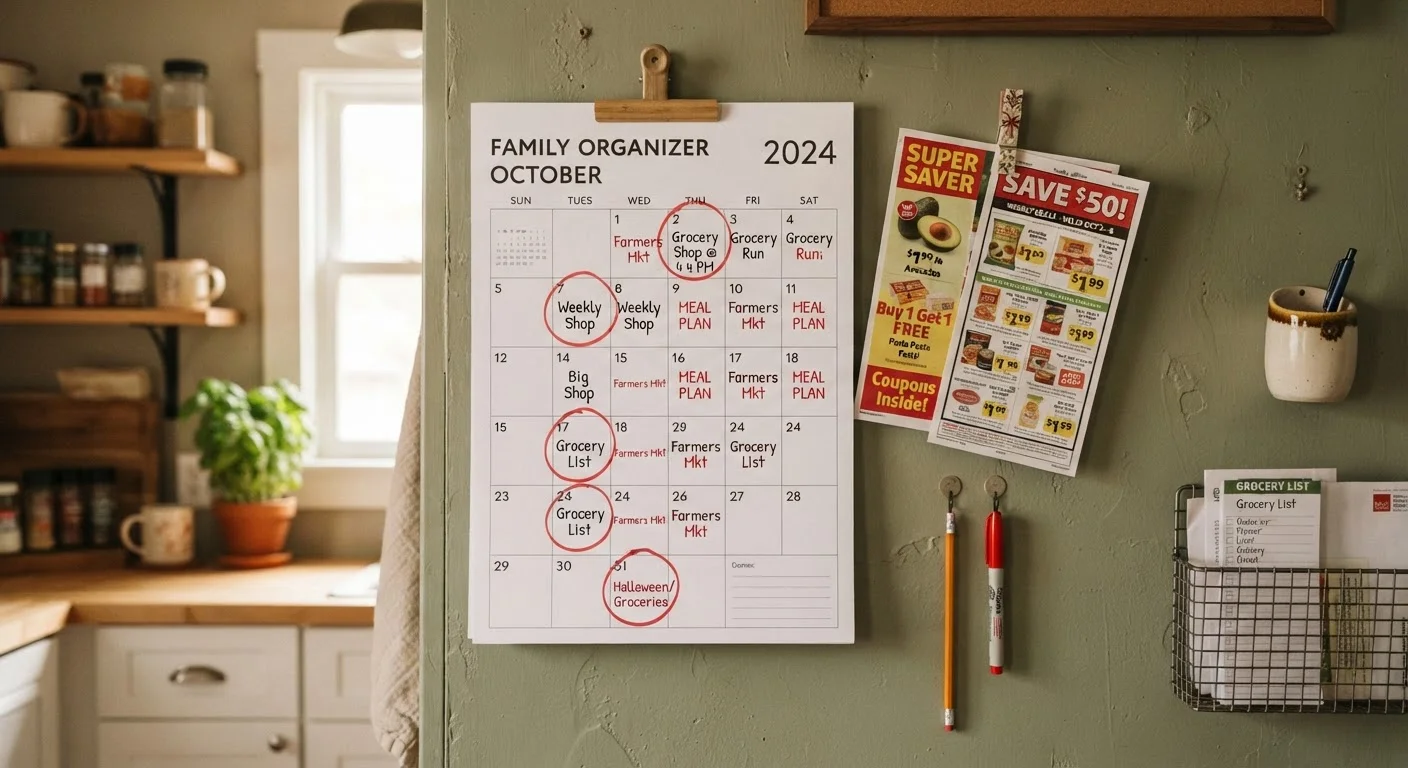
- Check the store circular first. Identify what's on sale this week, then cross-reference your coupon sources - not the other way around. Sale items first, coupons second.
- Match coupons to sale items. Pull only the coupons that align with this week's deals. Resist the urge to buy something just because you have a coupon for it.
- Layer your discounts. For each sale item with a coupon, check whether a cashback app offer also exists. This 30-second check per item is where the real multiplier lives.
- Confirm digital clips are active. Open your store app and verify every digital offer shows as applied. Do this the night before, not in the parking lot.
- Set expiration reminders. For cashback offers with tight windows, add a calendar reminder two days before expiration so you have time to act.
This approach directly addresses most of the mistakes outlined above. It won't require more than 20 minutes per week once it becomes habitual - and it consistently outperforms ad hoc clipping by a wide margin.
Loyalty programs often compound couponing results significantly. Loyalty program rewards most households leave unclaimed include bonus multiplier windows and partner redemptions that pair naturally with coupon strategies.
For shoppers ready to move beyond single-store couponing into full stacking technique, the complete guide to stacking coupons covers how to combine coupon types for maximum per-item discount. And if you've had stacks rejected at the register despite following the rules, here's how to stack coupons without getting burned at the register - including what to say when a legitimate combination gets refused.
A Coupon Is Not a Reason to Buy
The single most expensive couponing habit is purchasing items because a discount exists rather than because the item fits your plan. Treat every coupon as a potential saving on something you already need - never as a prompt to buy something new. Shoppers who enforce this rule consistently outperform those who don't, regardless of how many coupons they hold. If a coupon doesn't match your list, it has zero value this week.
System Over Spontaneity - Every Time
Random couponing - grabbing whatever deals appear on a given day - produces random results. The shoppers who save $50+ per week on groceries aren't working harder; they're running a simple, repeatable prep routine that matches sales, coupons, and cashback offers before they enter the store. Commit to even a 15-minute weekly prep session and the improvement in savings will be measurable within two trips.
Couponing as a system is sustainable. Couponing as a scramble is exhausting and inconsistent. The difference is almost always process - and the process adjustments that matter most are the ones that eliminate the mistakes above before you ever reach the checkout line.