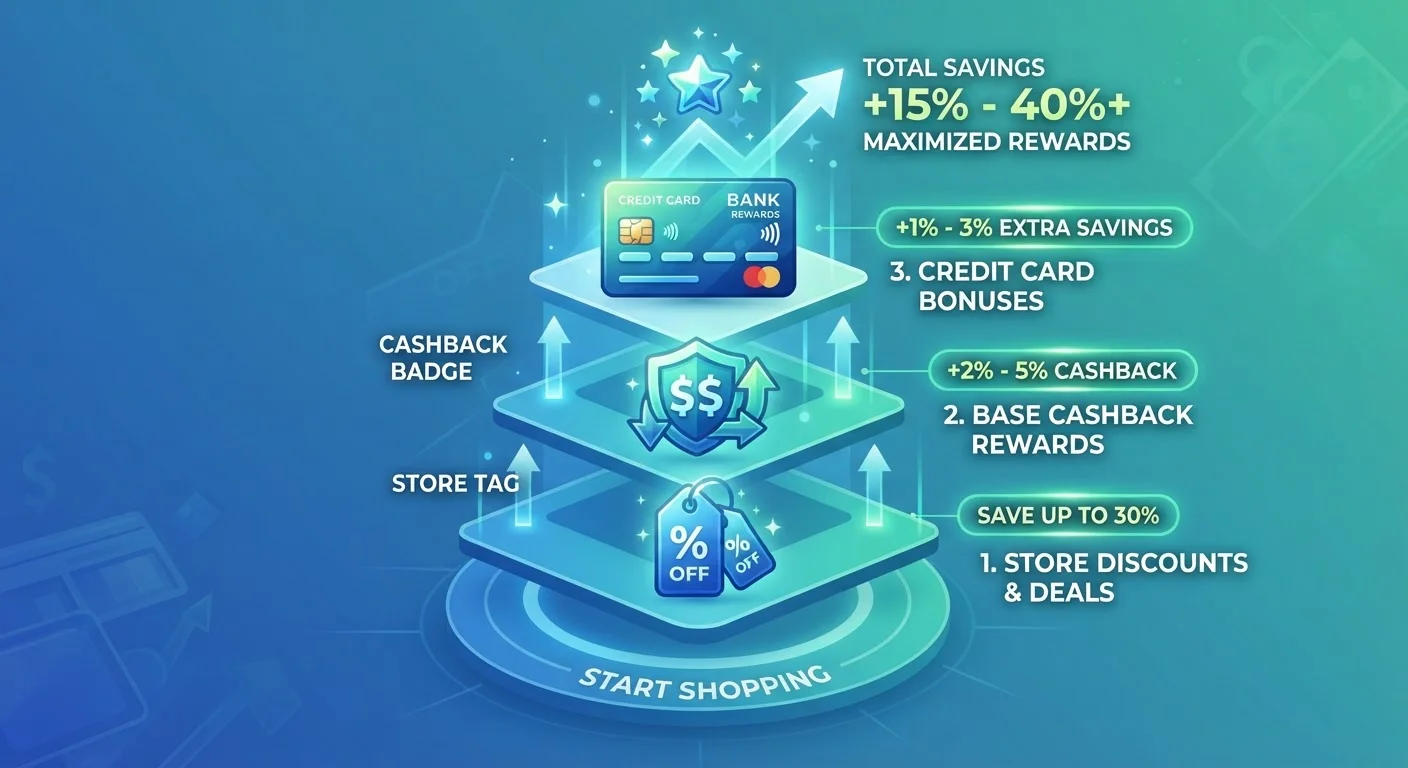

Key Takeaways
The Gap Between 'Clipped' and 'Redeemed'
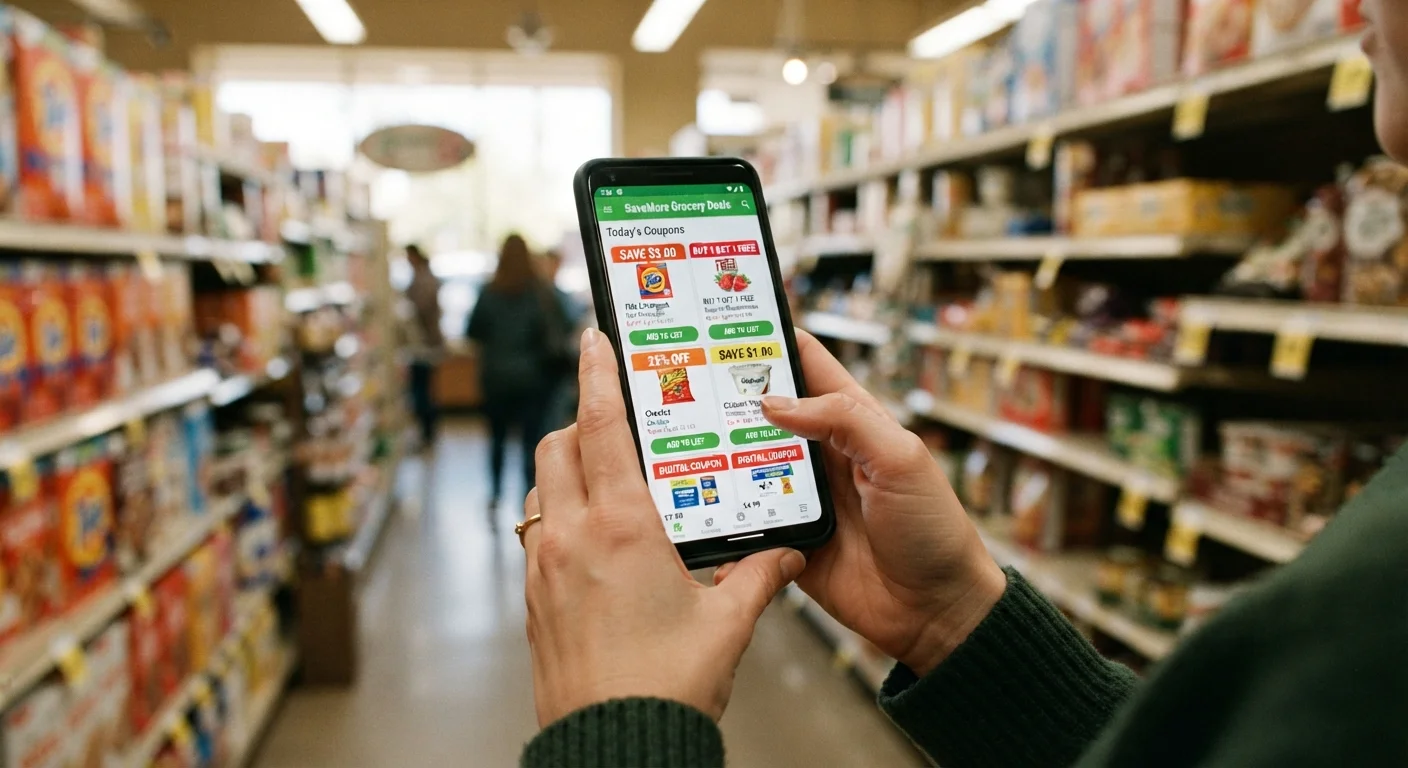
There's a specific kind of frustration that hits at the checkout counter: you know you clipped something for this, but the discount isn't showing up. The app had a deal. You tapped it. And yet - full price. Multiply that moment by the millions of shoppers using Ibotta, Fetch, Honey, Rakuten, and store-branded apps every week, and you start to understand why a staggering portion of available digital coupon value goes completely unredeemed.
This isn't primarily a technology problem. The apps work. The offers are real. The issue lives almost entirely in the habits surrounding how people interact with these tools. Most shoppers treat coupon apps as passive savings mechanisms - open occasionally, clip whatever looks good, and hope for a discount. That mindset is exactly why the savings never make it to the cart.
This article breaks down the specific mistakes that cause this gap, why each one happens, and what to do differently. If you've ever felt like your coupon apps deliver less than advertised, these patterns will look very familiar.
For a broader look at why this problem extends beyond coupon apps specifically, the habits that quietly erode cashback earnings follow many of the same patterns. The mechanics differ, the behavioral roots are nearly identical.
The Most Common Mistakes Killing Your Digital Coupon Savings
Each of the following mistakes is specific, fixable, and far more common than most shoppers want to admit. Work through them honestly - the ones that sting a little are the ones worth fixing first.
Clipping offers speculatively instead of against your actual shopping list.
Why it happens: Coupon apps are designed to encourage browsing - the interface rewards tapping offers, so shoppers clip anything that looks interesting rather than what they'll actually buy.
Letting clipped offers expire before using them.
Why it happens: Shoppers clip offers with good intentions but don't track expiration dates, then find the discount has lapsed by the time they shop for that item.
Not reading the purchase conditions attached to an offer.
Why it happens: Most shoppers skim the headline discount and miss the fine print - specific sizes, flavor exclusions, minimum quantity requirements, or retailer restrictions that make the offer inapplicable to what they actually buy.
Skipping receipt submission or scan confirmation after purchase.
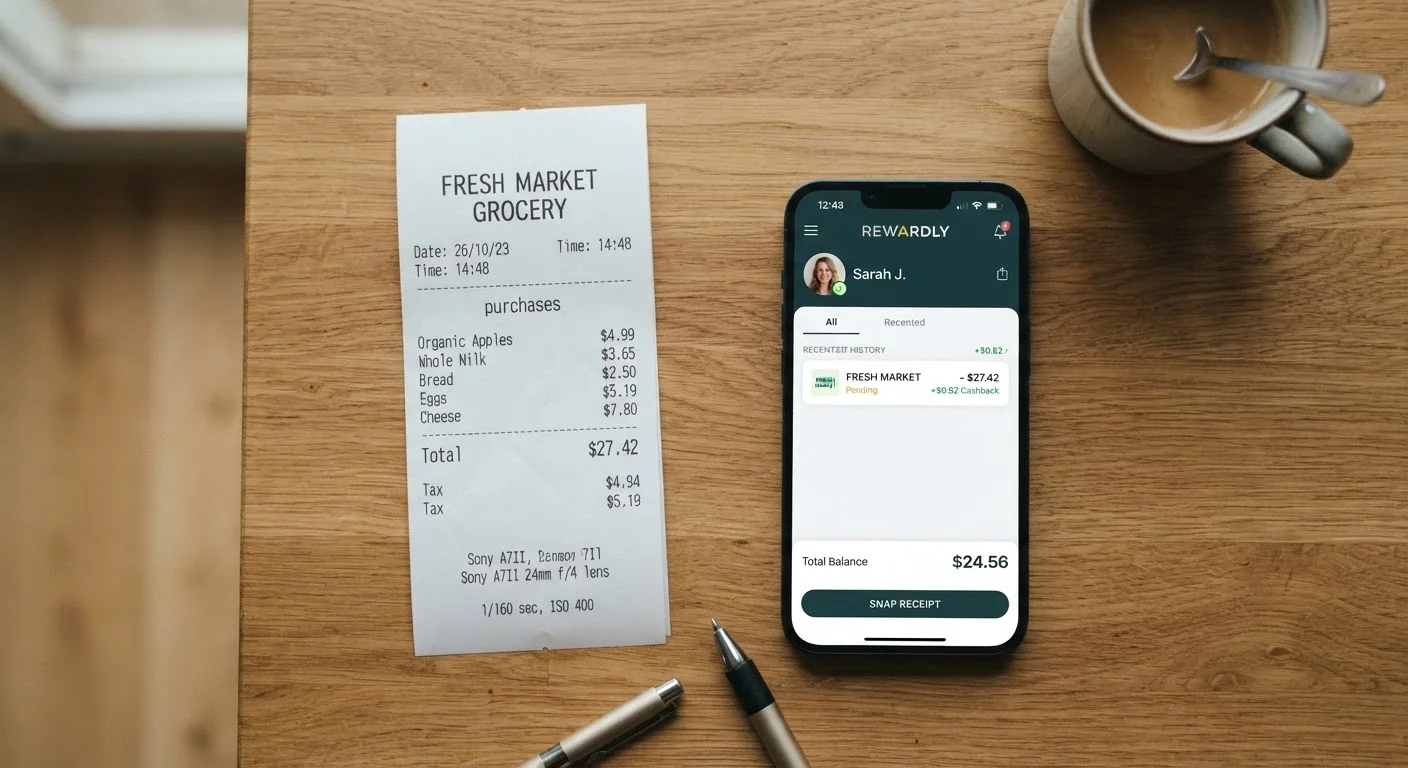
Why it happens: Apps like Ibotta and Fetch require you to photograph a receipt or scan a barcode after purchase. Shoppers forget to do this, or delay until the receipt is lost, and the rebate goes unclaimed.
Using only one app when the purchase qualifies for savings on multiple platforms simultaneously.
Why it happens: Most shoppers pick one coupon or cashback app and use it exclusively, unaware that the same purchase can qualify for a store digital coupon, a manufacturer rebate app, and a credit card category bonus at the same time.
Never collecting accumulated cashback or rewards because the balance sits below the payout threshold.
Why it happens: Shoppers earn small amounts across multiple apps and never reach the threshold to cash out, or they don't realize balances are accumulating and assume the app isn't working.
Activating offers on the wrong retailer's app or platform.
Why it happens: Shoppers clip an offer in one app, then shop at a different store where that offer isn't valid - or they activate a store's digital coupon but shop at a competitor location.
Buying more of a product than needed to hit a minimum spend threshold on a coupon offer.
Why it happens: A $5 off $25 deal feels like a win, so shoppers add items to their cart they wouldn't otherwise buy - spending $10 extra to save $5 and ending up worse off than skipping the deal entirely.
If you're still not sure which apps to prioritize fixing these habits with, understanding what actually happens when a coupon extension auto-applies at checkout gives you a clearer picture of which tools are doing real work versus which ones are largely decorative.
The Math Behind Missed Savings
It helps to put actual numbers on this problem. Most households that actively use at least one coupon or cashback app are capturing only a fraction of what's available to them - not because the deals don't exist, but because execution consistently falls short.
~40%
Digital coupons clipped but never redeemed
Industry estimates from RetailMeNot and coupon aggregators consistently show that roughly 40% of clipped digital offers expire without being used.
$1,500+
Annual savings potential per household from coupon apps
Ibotta's internal user data suggests active users who complete offers consistently save over $1,500 annually - a figure most occasional users never approach.
3x
Savings increase from stacking vs. single app
Shoppers who layer a store coupon, a cashback rebate, and a rewards card on the same purchase report savings rates approximately 3 times higher than single-app users on comparable baskets.
72 hours
Average delay before receipt submission
A 2023 behavioral study on coupon app usage found the average user waited 72 hours to submit receipts - long enough that many had lost or discarded them.
1 in 3
Users with uncollected cashback balances
Consumer surveys on cashback app behavior indicate roughly one in three active users have cashback balances they haven't cashed out, often due to minimum payout thresholds.
The pattern is consistent: the gap isn't in offer availability. Platforms like Ibotta, Fetch Rewards, and store apps from Kroger or Target collectively run thousands of active offers at any given time. The gap is in redemption - specifically, offers that were seen, considered, and then lost to expiration, missing purchase conditions, or simply being forgotten at the moment of purchase.
Minimum Spend Thresholds Can Cost You Money
Offers requiring a minimum cart total to unlock the discount are one of the most effective ways retailers get shoppers to overspend. A $3 savings on a $20 minimum purchase sounds reasonable until you add $8 in items you don't need to qualify. Calculate your actual net spend before adding anything to your cart to hit a threshold - if the math doesn't work in your favor without the extra items, skip the offer entirely.
Inactive Accounts Can Lose Accumulated Balances
Several cashback and coupon apps include dormancy clauses in their terms of service that allow them to zero out balances on accounts inactive for 6-12 months. If you use an app seasonally or inconsistently, log in at least once every few months and cash out any balance above the minimum threshold before the inactivity window closes.
Sale Price + Coupon Isn't Always the Best Deal
Stacking a digital coupon on a sale price feels like maximum savings, but unit pricing can tell a different story. A larger size at full price with no coupon sometimes costs less per ounce than a sale-priced smaller package with a discount applied. Always check unit price - most store apps display it - before assuming the coupon deal is the best available option.
For shoppers focused on grocery savings in particular, the reasons your coupons aren't saving as much as they should go beyond digital apps - but the digital layer adds its own layer of complexity that compounds the problem.
The Stacking Opportunity Most Shoppers Leave Untouched
One of the highest-leverage moves in digital couponing isn't about finding better individual offers - it's about layering multiple savings tools on the same purchase. A store sale, a manufacturer's digital coupon, an Ibotta rebate, and a cashback credit card can all apply simultaneously to the same item. Most shoppers use one of those four. The difference in outcome is significant.
This isn't complicated to execute, but it does require a few minutes of pre-shopping setup. Before any major grocery or retail run, the sequence looks like this: check the store app for clipped offers on your list, cross-reference Ibotta or Fetch for rebates on the same products, verify whether a cashback portal is active for online purchases, and confirm your credit card's rotating category bonus. None of these steps takes more than a minute individually.
Stacking Is the Strategy - Not a Bonus
Using a single coupon app in isolation is the baseline, not the goal. The meaningful savings in digital couponing come from layering: a store digital coupon plus a manufacturer rebate app plus a cashback credit card, all applied to the same purchase. This isn't complicated to execute, but it requires treating stacking as your default approach - not something you do occasionally when you remember. For a complete framework on which combinations work and which violate retailer terms, see the guide to stacking digital coupons.
Consistency Beats Intensity Every Time
You don't need to spend hours on couponing to capture most of the available savings. A 10-minute weekly pre-shopping routine - clipping relevant offers, cross-referencing rebate apps, checking payout balances - will outperform sporadic intensive deal-hunting sessions. The shoppers who save the most aren't working harder; they've built a repeatable system that runs on minimal weekly effort.
The full framework for doing this systematically - including which combinations hold up under retailer terms of service and which ones will get flagged - is covered in depth in the guide to stacking digital coupons across multiple savings tools. If you're only using one app right now, that's the next logical step.
One caveat worth stating clearly: browser extensions that auto-apply codes at checkout do some of this work passively, but they come with trade-offs. The hidden costs of free coupon extensions - primarily data collection practices - are worth understanding before you install a half-dozen of them.
Also worth noting: coupon stacking works best when paired with purchase timing. Combining a 20% digital coupon with an off-season price is almost always better than combining a 20% coupon with a full in-season price. The argument that buying timing outperforms discount-hunting is compelling - the real answer is that timing and couponing together beats either approach alone.
Building a System That Actually Captures the Savings
The fix for almost every mistake in this list comes down to the same thing: shifting from reactive to proactive use of coupon apps. Reactive use means opening the app when you remember, clipping whatever's visible, and hoping it applies. Proactive use means building a short pre-shopping routine that ensures every available dollar is captured before you spend anything.
Here's a practical system that takes under 10 minutes per week:
- Sunday app audit: Open your active coupon apps and clip everything relevant to your planned purchases for the week. Set a 3-day-before-expiration reminder on anything with a tight window.
- List cross-reference: Compare your grocery or shopping list against available offers. If an offer exists for a product close to something on your list, consider switching. If the switch doesn't make sense, ignore it.
- Stack check: For any purchase over $20, spend 60 seconds checking whether a cashback portal or credit card category bonus adds to the store discount.
- Receipt or scan confirmation: For apps like Fetch or Ibotta that require receipt submission, do it immediately after purchase - not two days later when the items are unpacked and the receipt is buried.
- Monthly payout review: At the start of each month, check which apps have balances above payout thresholds and request the transfer. Leaving $8.50 sitting in an Ibotta account indefinitely is just as bad as never earning it.

This system won't capture every possible dollar - no system does. But it will close the majority of the gap between what's available and what actually hits your wallet. The goal isn't perfection; it's consistency applied to the highest-value steps.
For shoppers who use Amazon regularly, the same logic applies to subscription decisions. The Subscribe & Save analysis is a useful parallel - a tool that looks like automatic savings but requires active management to actually deliver on that promise.
What Good Coupon App Habits Actually Look Like
The shoppers who consistently capture digital coupon savings share a few traits that have nothing to do with being extreme couponers or spending hours on deal forums. They treat their apps as a pre-shopping checklist, not a post-purchase bonus hunt. They understand the terms of the offers they clip. They stack deliberately. And they close the loop - they verify that discounts applied, submit receipts promptly, and collect payouts before balances expire.
None of this requires significant time investment once the habits are in place. The setup cost is front-loaded: learning which apps cover your regular stores, understanding how each one handles receipt verification versus automatic scanning, and building the pre-shopping routine into whatever system you already use for grocery lists or weekly planning.
Stacking Is the Strategy - Not a Bonus
Using a single coupon app in isolation is the baseline, not the goal. The meaningful savings in digital couponing come from layering: a store digital coupon plus a manufacturer rebate app plus a cashback credit card, all applied to the same purchase. This isn't complicated to execute, but it requires treating stacking as your default approach - not something you do occasionally when you remember. For a complete framework on which combinations work and which violate retailer terms, see the guide to stacking digital coupons.
Consistency Beats Intensity Every Time
You don't need to spend hours on couponing to capture most of the available savings. A 10-minute weekly pre-shopping routine - clipping relevant offers, cross-referencing rebate apps, checking payout balances - will outperform sporadic intensive deal-hunting sessions. The shoppers who save the most aren't working harder; they've built a repeatable system that runs on minimal weekly effort.
If coupon app savings feel like a constant disappointment, the issue is almost never the apps themselves. The offers are there. The infrastructure works. The gap is almost always behavioral - and behavioral gaps are the easiest kind to close once you've identified exactly where the breakage is happening.
Understanding why cashback totals consistently underperform expectations rounds out the picture - because coupon apps and cashback apps share many of the same structural limitations, and fixing your habits in one area usually improves performance in the other. The coupon stacking hub is the logical next destination if you want to go deeper on combining these tools into a coherent savings strategy.