
TSA PreCheck and Global Entry Explained for First-Time Applicants
Learn how TSA PreCheck and Global Entry work, who qualifies, and what each program actually gets you at the airport.
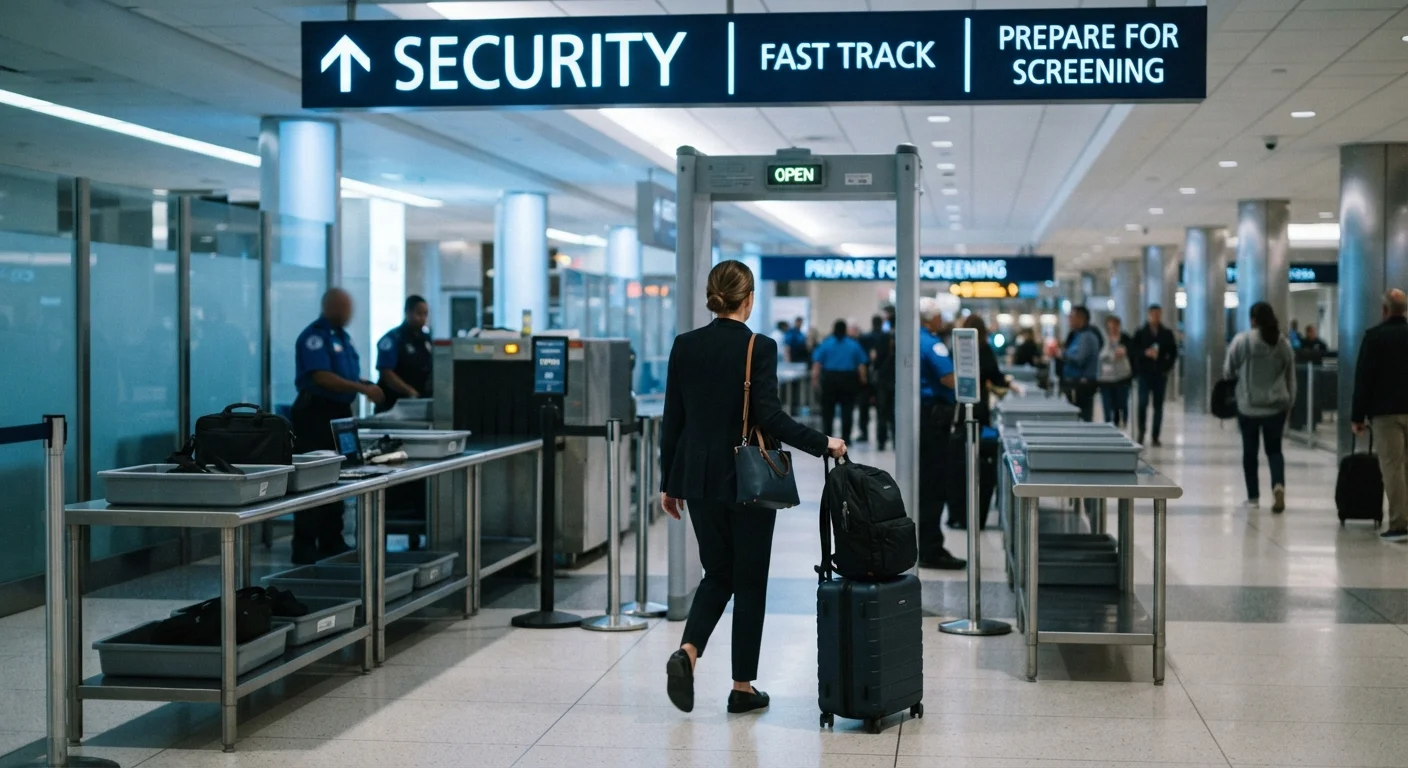
Photo: SaverSteals.com editorial
—— In This Article
Key Takeaways
- TSA PreCheck speeds up domestic security; Global Entry speeds up U.S. customs re-entry after international trips.
- Global Entry includes TSA PreCheck, making it the more comprehensive option for international travelers.
- Both programs require a background check, in-person interview, and a non-refundable application fee.
- Approval is not guaranteed — eligibility depends on your travel and criminal history.
- Membership must be renewed every five years to maintain benefits.
What Each Program Actually Does
These two programs serve different legs of the airport experience, and confusing them is one of the most common mistakes first-time applicants make.
TSA PreCheck is managed by the Transportation Security Administration. When you're enrolled, you get access to dedicated security lanes where you don't need to remove your shoes, laptops, or liquids from your bag. Lines in these lanes are typically shorter. It applies to domestic departures from participating U.S. airports.
Global Entry is managed by U.S. Customs and Border Protection (CBP). It allows you to use automated kiosks when re-entering the United States after international travel, bypassing the standard customs declaration line. Because Global Entry bundles TSA PreCheck, enrolling in Global Entry alone covers both programs.
If you fly internationally even once or twice a year, Global Entry is generally the more practical choice — you get both benefits under a single application. If you only ever fly domestically, TSA PreCheck on its own is sufficient. See our guide to common airport myths for more on what security lines actually involve.
$100
Global Entry five-year membership fee
Per the U.S. Customs and Border Protection fee schedule; verify current amounts on the official CBP website before applying.
$78
TSA PreCheck five-year membership fee
Per the Transportation Security Administration; verify current amounts on the official TSA website before applying.
5 years
Membership validity for both programs
Both TSA PreCheck and Global Entry memberships are valid for five years from the date of approval before renewal is required.
How to Apply: The Step-by-Step Process
Both programs follow a similar application path, though Global Entry adds a few more steps due to the customs component.
- Create an account on the relevant government portal — the TSA PreCheck enrollment site for PreCheck, or the Trusted Traveler Programs (TTP) portal at ttp.cbp.dhs.gov for Global Entry.
- Complete the online application, which includes personal information, travel history, and employment background. For Global Entry, passport details and international travel history are required.
- Pay the non-refundable fee — currently $78 for TSA PreCheck (five-year membership) and $100 for Global Entry (five-year membership). Fees are subject to change; verify current amounts on the official government sites before applying.
- Schedule and attend an in-person appointment. TSA PreCheck uses enrollment centers operated by authorized providers. Global Entry requires an interview at a CBP-staffed enrollment center or airport.
- Receive your Known Traveler Number (KTN) upon approval and add it to your airline profiles so it appears on your boarding pass.
Schedule Your Interview Early
Interview appointment availability varies significantly by location and season. Once you receive conditional approval for Global Entry, book your interview slot as soon as possible — popular enrollment centers can have wait times of several weeks or more. Some travelers complete their Global Entry interview on arrival at a CBP-staffed international airport.
For context on the broader cost of air travel, see our breakdown of fees most travelers don't see coming.
Who Qualifies — and Who May Not
Both programs are open to U.S. citizens, U.S. nationals, and lawful permanent residents. Global Entry is also available to citizens of several other countries through reciprocal arrangements — check the CBP website for the current list of eligible nationalities.
Approval is not guaranteed. Common reasons for denial or revocation include:
- Certain criminal convictions or pending charges
- Violations of customs, immigration, or agriculture laws
- Providing inaccurate or incomplete information on your application
- Being under investigation by a law enforcement agency
TSA and CBP evaluate each application individually. If you're denied, both agencies have a redress process you can use to seek clarification or appeal.
REAL ID and Trusted Traveler Programs Are Separate
Having TSA PreCheck or Global Entry does not replace the need for a REAL ID-compliant driver's license or passport for domestic flights. These are independent requirements. If you're unsure whether your current ID is REAL ID-compliant, check with your state's DMV before your next trip.
Before applying, it's worth making sure your other travel documents are in order. Our travel preparation checklist covers ID requirements and other essentials to confirm before departure.
Getting the Most Out of Your Membership
Approval is just the first step. Here's what to do once you have your Known Traveler Number:
- Add your KTN to every airline profile you use. If it isn't linked to your reservation, TSA PreCheck won't appear on your boarding pass — and you'll end up in the standard lane regardless of your enrollment status.
- Check your boarding pass before heading to the airport. Look for the TSA PreCheck indicator; if it's missing, visit the airline counter or check-in kiosk to resolve it before you reach security.
- Renew before your membership expires. Both programs last five years. You can renew up to six months before expiration — don't wait until the last minute, as processing takes time.
- Understand the limits. Even enrolled travelers can be directed to standard screening on any given day. TSA uses unpredictable screening procedures as a security measure.
Pairing these programs with smart packing habits — knowing what belongs in your carry-on and what to check — makes the whole airport experience more efficient. See our carry-on vs. checked bag guide for practical guidance on that front.
Frequently Asked Questions

Travel Editorial Team
Travel Editorial Team is the collective byline for our editorial team and contributor network. Articles published under this byline or an editorial pen name are researched, written, and reviewed according to our editorial standards for clarity, consistency, and independence before publication.
View author profile