
A Traveler's Quick-Reference Guide to US Airport Codes and Hubs
A lookup-style guide to major US airport codes, hub cities, and which airlines primarily operate out of each major hub.
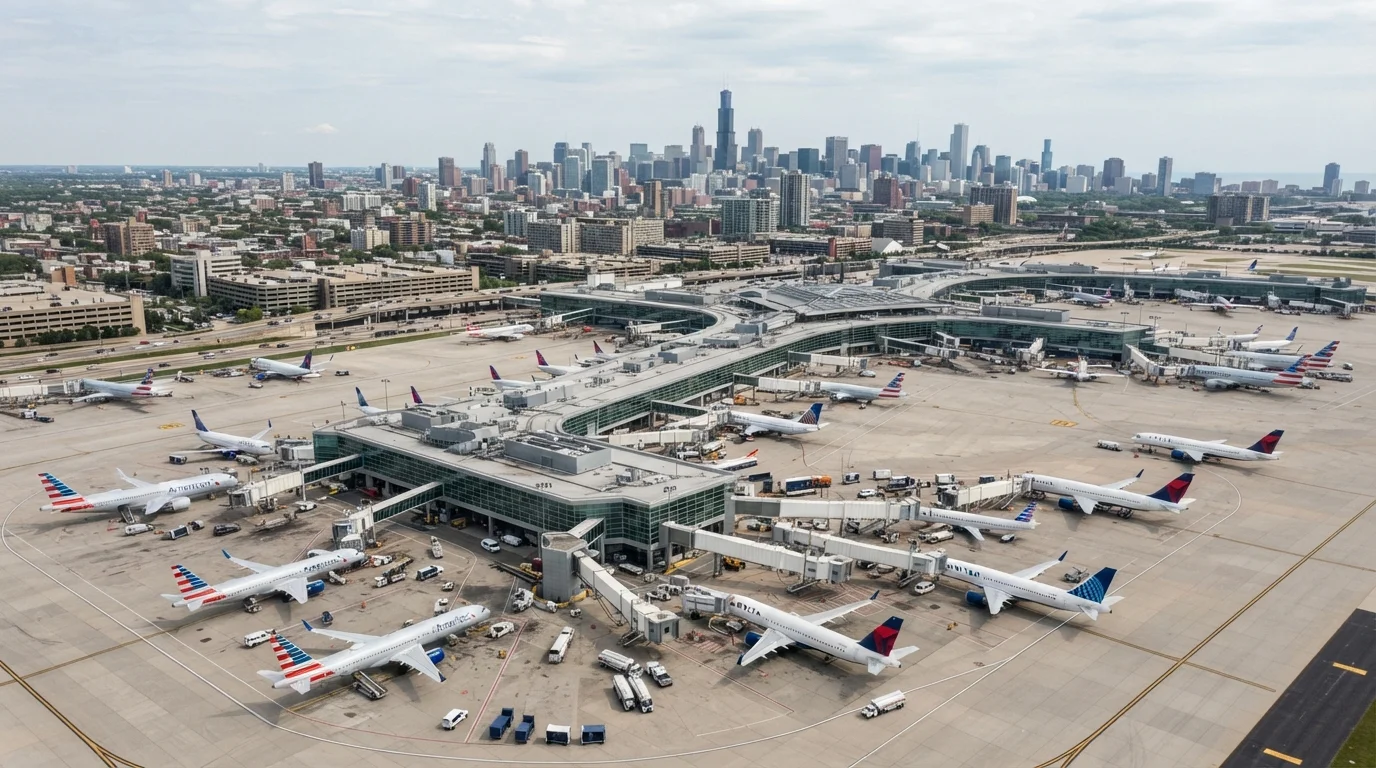
Photo: SaverSteals.com editorial
—— In This Article
What Airport Codes Are and Why They Matter
Every commercial airport in the United States is assigned a three-letter IATA code — the identifier you see on boarding passes, baggage tags, and booking screens. These codes are standardized globally by the International Air Transport Association and are distinct from the four-letter ICAO codes used by air traffic control. As a traveler, the three-letter IATA code is the one that matters for trip planning.
Codes are not always intuitive. Some reflect a city's historical name (ORD for Chicago O'Hare, derived from Orchard Field), while others are straightforward abbreviations (LAX for Los Angeles). A few cities have multiple airports, each with its own code — knowing which code matches your terminal prevents costly mistakes at check-in.
Before your next trip, pair this reference with our domestic travel preparation checklist to make sure the rest of your departure logistics are covered.
| Total US Commercial Airports | Approximately 500 with scheduled service (FAA National Plan of Integrated Airport Systems) |
| Busiest US Airport by Passengers | Atlanta Hartsfield-Jackson (ATL) (Consistently ranked #1 by annual passenger volume) |
| Airport Code Length (IATA) | 3 letters (International Air Transport Association standard) |
| NYC Metro Airport Count | 3 major airports (JFK, LGA, EWR) |
| Airlines with Most US Hubs | American, United, Delta (each operate multiple hubs) |
Major US Hub Airports at a Glance
Hub airports are high-traffic facilities where an airline concentrates its connecting flights, making them critical nodes in the national route network. Flying through a hub typically means more scheduling options but also greater exposure to delays — a disruption at one spoke propagates quickly. The table below maps the most heavily trafficked US airports to their primary hub carriers.
| Airport | Code | City | Primary Hub Carrier(s) |
|---|---|---|---|
| Hartsfield-Jackson Atlanta Intl | ATL | Atlanta, GA | Delta Air Lines |
| Dallas/Fort Worth Intl | DFW | Dallas–Fort Worth, TX | American Airlines |
| Denver Intl | DEN | Denver, CO | United Airlines, Frontier |
| Chicago O'Hare Intl | ORD | Chicago, IL | United Airlines, American Airlines |
| Los Angeles Intl | LAX | Los Angeles, CA | United Airlines, American Airlines, Delta Air Lines |
| John F. Kennedy Intl | JFK | New York, NY | Delta Air Lines, JetBlue |
| San Francisco Intl | SFO | San Francisco, CA | United Airlines |
| Seattle-Tacoma Intl | SEA | Seattle, WA | Alaska Airlines, Delta Air Lines |
| Miami Intl | MIA | Miami, FL | American Airlines |
| George Bush Intercontinental | IAH | Houston, TX | United Airlines |
| Charlotte Douglas Intl | CLT | Charlotte, NC | American Airlines |
| Phoenix Sky Harbor Intl | PHX | Phoenix, AZ | American Airlines, Southwest |
Hub designations can shift as airlines adjust their networks. Always verify with your carrier before assuming a connection will operate smoothly through a particular hub.
IATA Code
A three-letter identifier assigned by the International Air Transport Association to every commercial airport worldwide. This is the code travelers see on boarding passes, baggage tags, and booking confirmations.
Hub Airport
A major airport where an airline concentrates connecting flights, routing passengers from smaller 'spoke' cities through the hub to their final destinations. Hub airports typically offer the most frequency and route options.
Spoke City
A smaller or secondary city that connects to the broader route network primarily through a hub airport rather than offering many direct flights of its own.
Secondary Airport
An additional commercial airport serving the same metro area as a primary hub, often with lower fares but less convenient ground access or fewer nonstop routes.
ICAO Code
A four-letter airport identifier used by aviation authorities and air traffic control, distinct from the three-letter IATA code used by travelers and booking systems.
Multi-Airport Cities and Secondary Airports
Several US metro areas are served by more than one airport, each with a distinct code. Booking the wrong airport can mean significant extra ground travel — or missing a flight entirely.
- New York metro: JFK (Queens), LGA — LaGuardia (Queens), EWR — Newark Liberty (New Jersey)
- Chicago metro: ORD — O'Hare (northwest suburbs), MDW — Midway (southwest Chicago)
- Los Angeles metro: LAX (Inglewood), BUR — Hollywood Burbank, LGB — Long Beach, ONT — Ontario, SNA — John Wayne/Orange County
- Washington, D.C. metro: DCA — Reagan National (Arlington, VA), IAD — Dulles (Loudoun County, VA), BWI — Baltimore/Washington (Maryland)
- San Francisco Bay Area: SFO (San Mateo County), OAK — Oakland, SJC — San José
When comparing fares across a metro area, always factor in ground transportation time and cost. A cheaper ticket into a secondary airport may cost more overall once parking, tolls, or rideshare fees are included. Our guide on hidden airline fees covers the full picture of travel costs beyond the base fare.
Ground Transport Costs Add Up Quickly
When a secondary airport is 30–60 minutes farther from your destination, rideshare, taxi, or parking costs can easily exceed $40–80 round-trip. Factor total door-to-door cost — not just the airfare — when deciding which airport to use. Transit options (trains, express buses) are available at some metro airports and are worth checking before booking.
Practical Tips for Using Airport Codes
A few habits help travelers use airport codes accurately and avoid confusion:
- Confirm the code on your itinerary matches the physical airport you plan to depart from — particularly in multi-airport cities.
- Check terminal assignments. Some airports (LAX, JFK, ORD) have multiple terminals served by different airlines. Your code confirms the airport; your carrier and ticket confirm the terminal.
- Use codes when searching. Entering a three-letter code directly into booking tools is more reliable than searching by city name, which can pull multiple airports.
- Cross-reference for international connections. If you're connecting through a US hub to an international destination, confirm whether your inbound and outbound flights use the same terminal — not all hubs have a consolidated international terminal.
For a smoother security experience at any of these hubs, see our explanation of TSA PreCheck and Global Entry — both programs can meaningfully reduce wait times at busy airports. And if you've heard conflicting things about airport rules, common airport myths debunked separates fact from folklore.
~900M
Annual US domestic passenger boardings
The FAA reports roughly 900 million domestic enplanements per year across the US commercial aviation system.
3
Major airports serving the New York metro area
JFK, LaGuardia (LGA), and Newark (EWR) collectively make the New York area one of the most complex multi-airport markets in the world.
Top 30
Airports handle majority of US passenger traffic
A relatively small number of hub and focus city airports account for the large majority of total US passenger volume, according to FAA airport data.

Travel Editorial Team
Travel Editorial Team is the collective byline for our editorial team and contributor network. Articles published under this byline or an editorial pen name are researched, written, and reviewed according to our editorial standards for clarity, consistency, and independence before publication.
View author profile