
Seasonal Car Prep: What Changes When the Weather Does
Cold winters and hot summers stress vehicles in different ways. Here's what to check and address as each season rolls in.
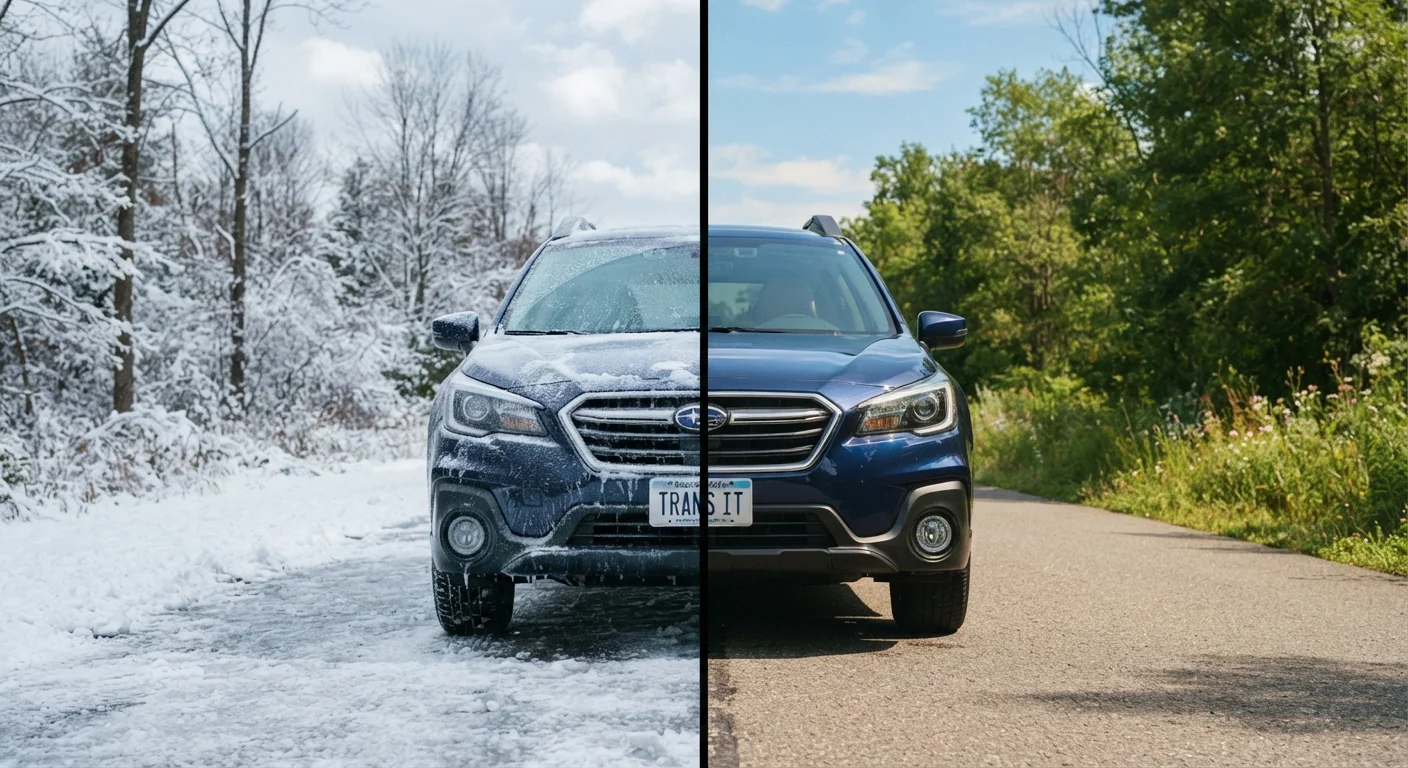
Photo: SaverSteals.com editorial
—— In This Article
Key Takeaways
- Cold weather stresses batteries, tires, and fluids in ways that warm weather simply does not.
- Switching to season-appropriate tires is one of the highest-impact safety decisions a driver can make.
- Heat accelerates fluid breakdown and puts extra load on cooling and air conditioning systems.
- Proactive seasonal checks catch small problems before they become expensive roadside failures.
- Many seasonal maintenance tasks are visual inspections a car owner can do without specialized tools.
Why Weather Is Hard on Vehicles
Temperature extremes are among the most consistent sources of vehicle wear. Cold contracts rubber, thickens fluids, and drains batteries faster than moderate conditions. Heat does the opposite — it thins lubricants, degrades rubber and plastic components, and pushes cooling systems to their limits. Neither extreme is neutral.
The good news is that seasonal vehicle prep follows a predictable rhythm. Unlike random mechanical failures, weather-related stress is foreseeable. Checking the right items at the right time — fall before winter sets in, and spring before summer heat peaks — keeps you ahead of the most common seasonal breakdowns. This list covers what actually changes and why it matters, so you can prioritize with confidence rather than guesswork.
For a broader framework on keeping a vehicle reliable over the long term, see our long-haul car care guide.
Test Your Battery Before Cold Arrives
Car batteries lose a significant portion of their cranking power as temperatures drop — cold thickens engine oil, which means the starter motor has to work harder at the exact moment the battery delivers less. A battery that performs fine in September may leave you stranded in January.
Most auto parts stores offer free battery load tests. If a battery is more than three to four years old and showing any signs of sluggish starts, fall is a practical time to evaluate it. Replace proactively rather than reactively — waiting until a battery fails completely often means doing so in the worst conditions.
A battery that works fine in fall may not survive the added strain of winter cold.
Check Tire Pressure and Consider Season-Specific Tires
Tire pressure drops roughly 1 PSI for every 10°F decrease in ambient temperature. That means a tire properly inflated in October could be meaningfully underinflated by December without anyone touching the valve. Underinflated tires handle poorly, wear unevenly, and reduce fuel efficiency.
In climates that regularly see snow and ice, all-season tires are a compromise — they're adequate in mild conditions but not optimized for either extreme. Dedicated winter tires use a softer rubber compound that stays pliable in low temperatures and provide substantially better grip on snow and ice. Conversely, those same soft compounds wear faster in summer heat, which is why the switch back in spring matters too.
Tire pressure drops roughly 1 PSI for every 10°F drop in temperature — check monthly through winter.
Inspect Wiper Blades and Top Off Washer Fluid
Standard wiper blades can freeze to the windshield, and the flexible rubber deteriorates in UV exposure over summer. Before winter, check for streaking, skipping, or cracked rubber — these are signs it's time to replace. Many drivers switch to winter-specific wiper blades designed to handle snow and ice buildup around the blade assembly.
Washer fluid is equally important: standard fluid can freeze in the reservoir and lines at temperatures below 32°F. Use a winter-rated washer fluid rated well below your region's typical low temperature. In summer, the priority shifts to keeping up with road grime and bug splatter — standard fluid is adequate but shouldn't run dry.
Winter washer fluid rated for freezing temperatures prevents a frozen reservoir from leaving you blind on a cold morning.
Check Coolant Concentration for Temperature Range
Engine coolant (antifreeze) does double duty: it prevents the coolant from freezing in winter and raises the boiling point in summer. Over time, coolant degrades and loses its protective additives. The freeze/boil protection it offers depends on the ratio of coolant to water in the system.
An inexpensive coolant tester — either a float-type or refractometer — can tell you whether the mixture in your vehicle is rated for your region's temperature range. If it's been several years since a coolant flush, consult your owner's manual for the recommended interval and have a mechanic inspect the system if you're uncertain about the condition of hoses and the radiator cap.
Coolant that's never been changed may not protect against the temperature range your climate actually reaches.
Check Brakes Before Winter and After Winter
Brakes are a year-round concern, but the transition into winter and out of it are particularly useful checkpoints. Road salt used for ice control accelerates corrosion on brake rotors and calipers. At the end of winter, salt buildup and increased moisture can mask brake wear or cause uneven rotor corrosion that affects stopping performance.
Visually inspect rotors for deep grooves or significant rust pitting, and listen for squealing or grinding during normal stops. These are signals worth investigating promptly. Brake inspection is a task where a qualified mechanic's assessment adds genuine value — the consequences of misjudging brake condition are serious.
Road salt corrodes brake components faster — inspect brakes at the start and end of winter, not just annually.
Address Air Conditioning Before Summer Heat Peaks
Air conditioning systems that sat unused through winter may have slow refrigerant leaks that only become apparent once you need them. Running the A/C briefly even in winter helps lubricate seals and keeps the system from drying out, but a full check in spring catches problems before 95°F days make them critical.
Signs of a struggling A/C system include weak airflow, warm air from vents despite the system being on, or unusual odors. Refrigerant handling requires specialized equipment and is regulated — this is not a DIY task. A certified technician can assess refrigerant levels, check for leaks, and inspect the compressor and condenser.
Running the A/C briefly through winter helps lubricate seals — but a spring check catches real problems before they peak.
Making Seasonal Prep a Habit
The most effective approach is to treat seasonal prep as a scheduled event — not a reaction to a problem. Linking it to something you already do twice a year, such as changing smoke detector batteries or rotating clocks for daylight saving time, helps it stick.
Build a Twice-Annual Maintenance Reminder
Set a recurring calendar reminder each spring and fall specifically for seasonal vehicle checks. Linking it to daylight saving time transitions — which already prompt a twice-yearly routine — is an easy way to make it automatic. A short walkaround covering tires, fluids, wipers, and lights takes less than 20 minutes and often catches issues before they become costly.
If you're preparing your vehicle ahead of a longer drive, pairing these checks with a full pre-trip inspection makes sense. Our pre-road-trip vehicle checklist covers tires, fluids, brakes, and emergency supplies in one pass. For a focused look at fluid-specific checks year-round, the fluid checks guide is a useful companion.
Some tasks on this list — particularly brake inspection, battery load testing, and coolant system checks — benefit from a professional set of eyes. When in doubt about what's genuinely DIY-safe versus what's better left to a qualified mechanic, our DIY vs. mechanic guide can help you draw that line.
This article provides general vehicle maintenance information for educational purposes only. Always consult a qualified mechanic before making repairs, and verify guidance against your vehicle's owner's manual and local regulations.

Travel Editorial Team
Travel Editorial Team is the collective byline for our editorial team and contributor network. Articles published under this byline or an editorial pen name are researched, written, and reviewed according to our editorial standards for clarity, consistency, and independence before publication.
View author profile