
Why Skipping Routine Maintenance Ends Up Costing More
Deferred oil changes, ignored tire rotations, and skipped fluid checks all compound over time. Here's what those shortcuts actually lead to.
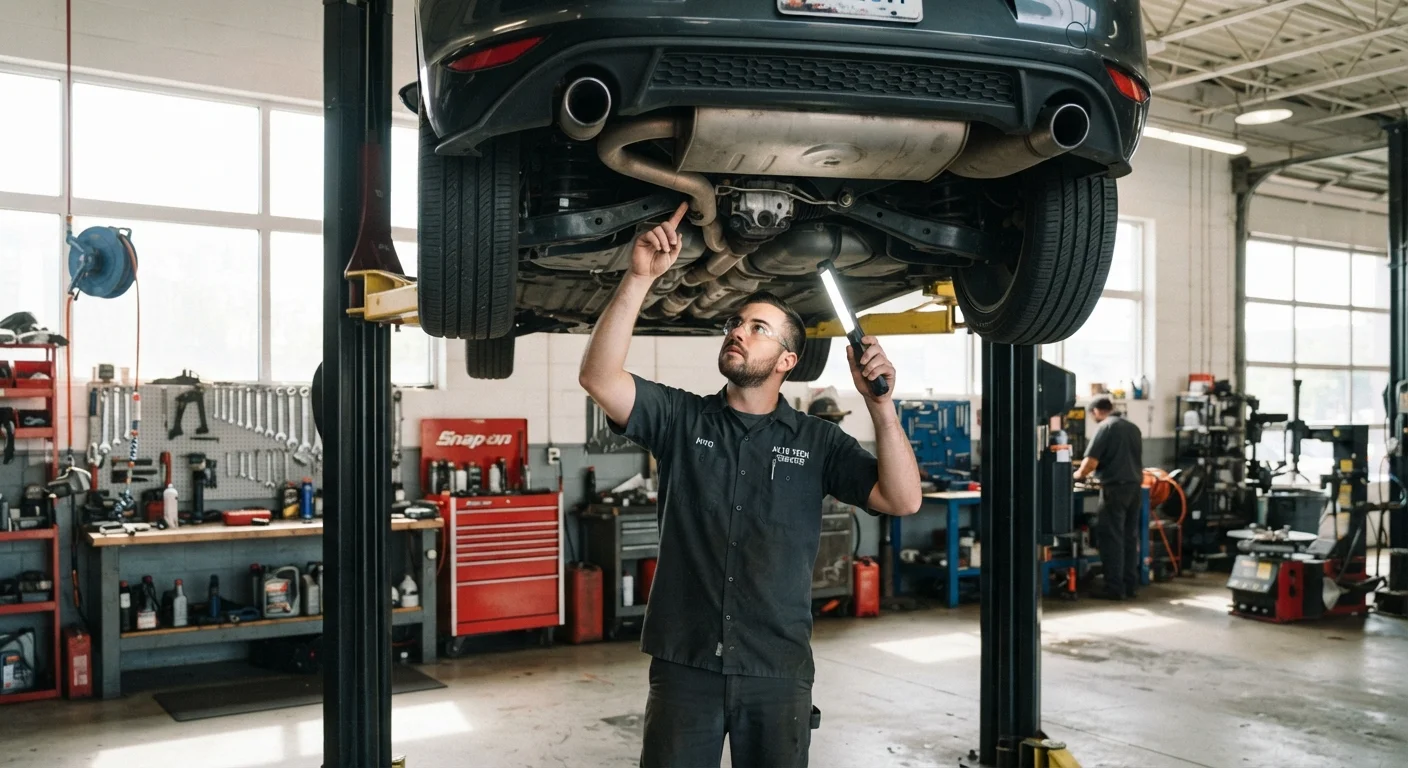
Photo: SaverSteals.com editorial
—— In This Article
Key Takeaways
- Skipping oil changes is one of the fastest ways to cause permanent engine damage.
- Deferred maintenance costs compound — a $30 fix today can become a $1,500 repair later.
- Tires, fluids, and filters all follow predictable service intervals that prevent breakdowns.
- Most manufacturer maintenance schedules are outlined in your owner's manual at no cost.
- Consistent upkeep protects resale value and can extend a vehicle's reliable lifespan significantly.
The Real Price of Putting Off Small Services
Most car owners understand maintenance is important — but many still delay it, assuming the car will signal clearly when something is seriously wrong. The problem is that vehicles degrade quietly. By the time an obvious symptom appears, the underlying issue has often already compounded into a more expensive repair.
Deferred maintenance doesn't save money; it borrows against a larger future bill. A $60 oil change skipped twice can contribute to sludge buildup that shortens engine life. A $25 tire rotation postponed for a year can result in uneven wear that forces premature replacement of a full set of tires. Understanding how these shortcuts accumulate is the first step to avoiding them.
Low Oil Can Destroy an Engine
Running an engine with degraded or critically low oil can cause metal-on-metal friction that permanently damages internal components. Engine replacement can cost thousands of dollars — far more than any oil change. If your oil warning light activates, stop driving as soon as it is safe to do so and have the vehicle checked immediately.
If you're thinking about the bigger financial picture, it helps to treat vehicle maintenance as a fixed monthly expense rather than an optional one. Tracking car-related costs in your monthly budget can make these service intervals easier to plan for without feeling like emergencies.
Common Maintenance Mistakes — and How to Fix Them
The mistakes below represent the most frequent — and most costly — ways drivers fall behind on vehicle care. Each one is avoidable with modest planning.
Delaying oil and filter changes beyond the manufacturer's recommended interval.
Why it happens: Many drivers still rely on the outdated 3,000-mile rule even though modern engines and synthetic oils often allow 5,000–10,000 miles between changes. The result is a false sense of being ahead of schedule.
Ignoring tire rotation and pressure checks until a tire fails or visibly wears unevenly.
Why it happens: Tire wear is gradual and easy to overlook during daily driving. Pressure loss from temperature changes also goes unnoticed until a tire looks noticeably flat.
Skipping transmission, coolant, and brake fluid checks until a system fails.
Why it happens: These fluids are out of sight, and their warning signs — slight sluggishness, subtle temperature changes — are easy to attribute to other causes until a more obvious failure occurs.
Replacing air filters and cabin filters far later than necessary.
Why it happens: Filters are inexpensive and their decline is imperceptible day-to-day, so drivers often skip them during routine visits to save a few dollars.
Dismissing unusual sounds, smells, or dashboard warning lights as minor inconveniences.
Why it happens: Warning signs often appear gradually and feel manageable. Drivers rationalize delay — especially when money is tight — hoping the issue will resolve itself.
For a deeper look at one of the most commonly neglected areas, see our guide on tire wear, pressure, and rotation — it covers how to read wear patterns and when replacement is actually due.
Manufacturer Warranties and Maintenance Records
Many powertrain warranties require documented proof of scheduled maintenance. Skipping or failing to record routine service intervals could jeopardize your warranty coverage if a covered component fails. Keep receipts or digital records of every service visit.
Building Habits That Protect Your Investment
The vehicles that hold up well over time share one common factor: consistent, documented maintenance. A car kept on schedule is less likely to strand you unexpectedly, more reliable for long drives, and typically worth more at resale.
$1,200+
Average cost of a neglected brake repair
AAA estimates that neglected brake maintenance — including worn pads damaging rotors — can push repair costs well beyond $1,200 per axle in some cases.
3x
Multiplier effect of deferred maintenance costs
Industry service advisors commonly observe that small neglected repairs frequently escalate into problems costing three times as much once secondary components are affected.
You don't need to memorize every interval — your owner's manual lists them all, and many mechanics will print a recommended service schedule at your request. The goal is simply to make routine service non-negotiable rather than optional.
Drivers planning extended trips should pay particular attention before departure. Unexpected repair costs are a significant reason road trips exceed budget estimates — and a well-maintained car is the most direct way to prevent that outcome. For a broader framework on keeping a vehicle running reliably over the long term, see what it takes to keep a car in good shape for the long haul.
This article provides general vehicle maintenance information for educational purposes only. Always consult a qualified mechanic for diagnosis and repair decisions specific to your vehicle.

Travel Editorial Team
Travel Editorial Team is the collective byline for our editorial team and contributor network. Articles published under this byline or an editorial pen name are researched, written, and reviewed according to our editorial standards for clarity, consistency, and independence before publication.
View author profile