
Keeping a Car in Good Shape for the Long Haul
Vehicles that last 200,000 miles don't do so by accident. These maintenance habits help extend reliability and reduce unexpected repair bills.
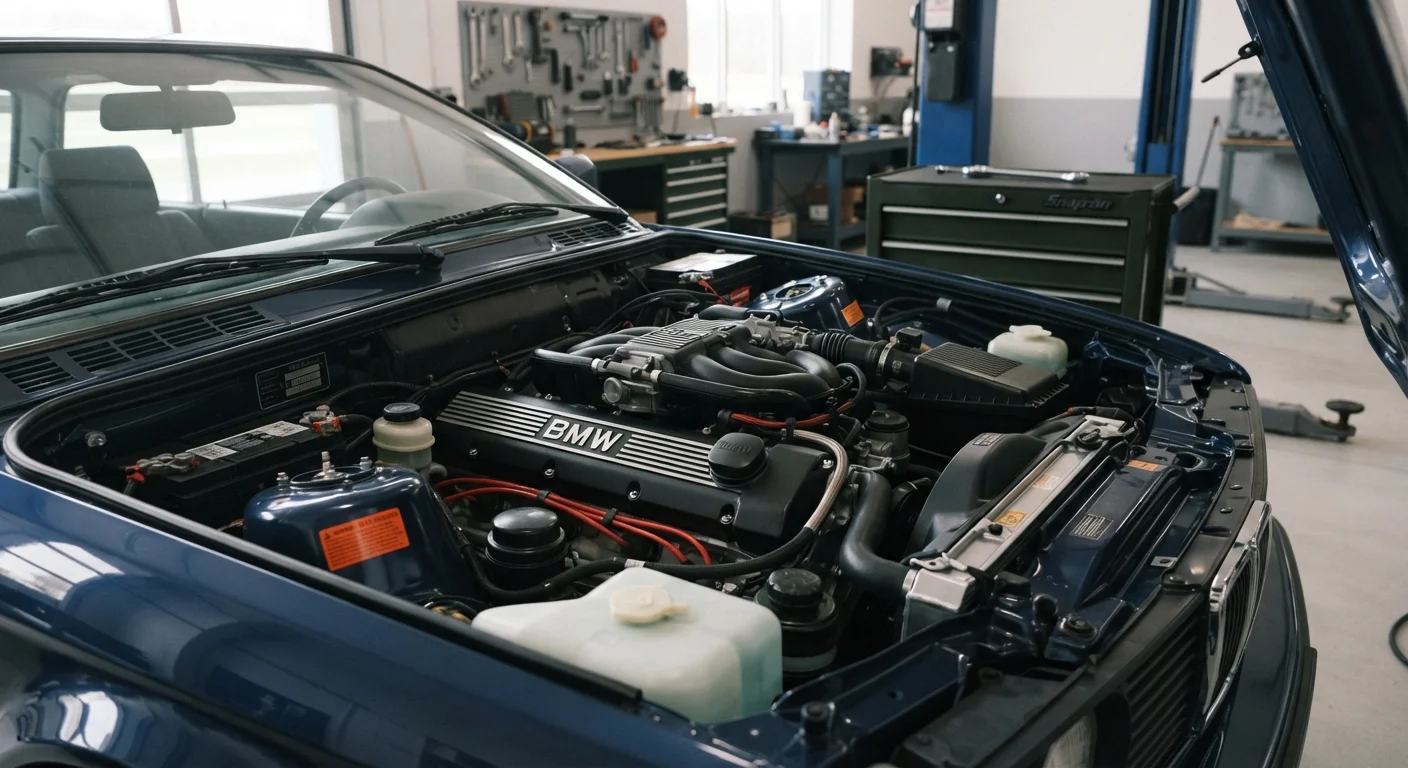
Photo: SaverSteals.com editorial
—— In This Article
Key Takeaways
- Regular oil changes remain the single most impactful maintenance habit for engine longevity.
- Following your vehicle's factory maintenance schedule prevents most costly mechanical failures.
- Tires, brakes, and fluids each have predictable service windows that shouldn't be ignored.
- Keeping maintenance records boosts resale value and helps catch recurring issues early.
- Most 200,000-mile vehicles share one thing: disciplined, consistent preventive care.
Why Preventive Maintenance Pays Off
Vehicles that stay reliable well past 150,000 miles don't do so by luck — they're the product of owners who follow a maintenance rhythm rather than reacting to problems after they emerge. Reactive repairs are almost always more expensive than preventive ones. A timing belt that's replaced on schedule costs a fraction of the engine damage that results from one that snaps unexpectedly.
Preventive care also supports resale value. A documented service history signals to future buyers — and to you — that the vehicle has been treated with care. If you're thinking about how ownership decisions affect your financial picture, our article on car depreciation and what it means for owners provides useful context on how maintenance ties into long-term value retention.
Change engine oil at the interval specified in your owner's manual — not necessarily every 3,000 miles.
Oil lubricates, cools, and cleans engine components. Degraded oil loses its viscosity and protective properties, accelerating wear on bearings, pistons, and camshafts. Many modern engines with synthetic oil can safely go 7,500 to 10,000 miles between changes, but the exact interval depends on your vehicle.
Inspect and rotate tires every 5,000 to 7,500 miles, and check pressure monthly.
Uneven tire wear shortens tread life and can mask alignment or suspension problems. Under-inflated tires increase rolling resistance, reduce fuel economy, and wear faster at the edges. Regular rotation distributes wear evenly, extending the usable life of the full set.
Monitor and top off all key fluids — coolant, brake fluid, power steering, and transmission — according to your manual.
Each fluid serves a distinct function, and low levels or degraded fluid can cause failures that are disproportionately expensive to repair. Coolant prevents engine overheating; brake fluid absorbs moisture over time and should be flushed periodically; transmission fluid protects complex internal components.
Keep written or digital records of every service performed, including the date, mileage, and shop or part used.
Service records help you track upcoming intervals, identify recurring problems, and demonstrate care history to future buyers. Without records, it's easy to lose track of what's been done — and what's overdue.
Replace air filters — both engine and cabin — on schedule or when visibly clogged.
A dirty engine air filter restricts airflow, reducing combustion efficiency and potentially causing the engine to run rich. Cabin air filters affect both HVAC performance and air quality inside the vehicle. Both are low-cost items that have an outsized effect when neglected.
Core Habits That Extend Vehicle Life
The practices below are grounded in factory guidance and broadly accepted by automotive engineers and professional mechanics. They're not complicated — the challenge is consistency, not expertise.
For tasks that go beyond fluid checks and filter swaps, it's worth understanding which jobs are reasonable for a capable home mechanic and which carry real risk if done incorrectly. Our guide on DIY car repairs versus taking it to a mechanic can help you draw that line confidently.
Staying Ahead of the Schedule
Every vehicle comes with an owner's manual that includes a manufacturer-recommended maintenance schedule. This document is one of the most underused tools in car ownership. It specifies service intervals for oil, transmission fluid, coolant, spark plugs, belts, and more — tailored to your specific engine and drivetrain.
Your Owner's Manual Overrides General Advice
General guidance on maintenance intervals is a useful starting point, but your vehicle's factory manual is the authoritative source. Engine design, oil type, transmission type, and driving conditions all affect what's appropriate for your specific car. When in doubt, follow the manual — or ask a qualified mechanic to explain why a different interval might apply to your situation.
If you drive frequently under what manufacturers call "severe" conditions — short trips under five miles, extreme heat or cold, dusty environments, or frequent stop-and-go traffic — some intervals should be shortened. Check your manual's severe-duty schedule rather than assuming standard intervals apply.
Before any long drive, it's also worth running through a more focused pre-trip inspection. Our pre-road-trip vehicle checklist covers tires, fluids, brakes, and emergency supplies in a format designed to be used the day before departure. And for broader driving safety habits, road trip safety habits worth building is a practical companion read.
200K+
Miles many well-maintained vehicles reach
Consumer automotive surveys consistently show that disciplined preventive maintenance is the primary shared trait among high-mileage vehicles.
~$100
Typical cost of a routine oil change
Compared to thousands of dollars for engine repairs caused by oil neglect, routine fluid maintenance is one of the highest-return investments in vehicle ownership.

Travel Editorial Team
Travel Editorial Team is the collective byline for our editorial team and contributor network. Articles published under this byline or an editorial pen name are researched, written, and reviewed according to our editorial standards for clarity, consistency, and independence before publication.
View author profile