
The Fluid Checks Every Car Owner Should Know
Engine oil, coolant, brake fluid, and more—each serves a critical role. Learn what to check, what normal looks like, and when to act.
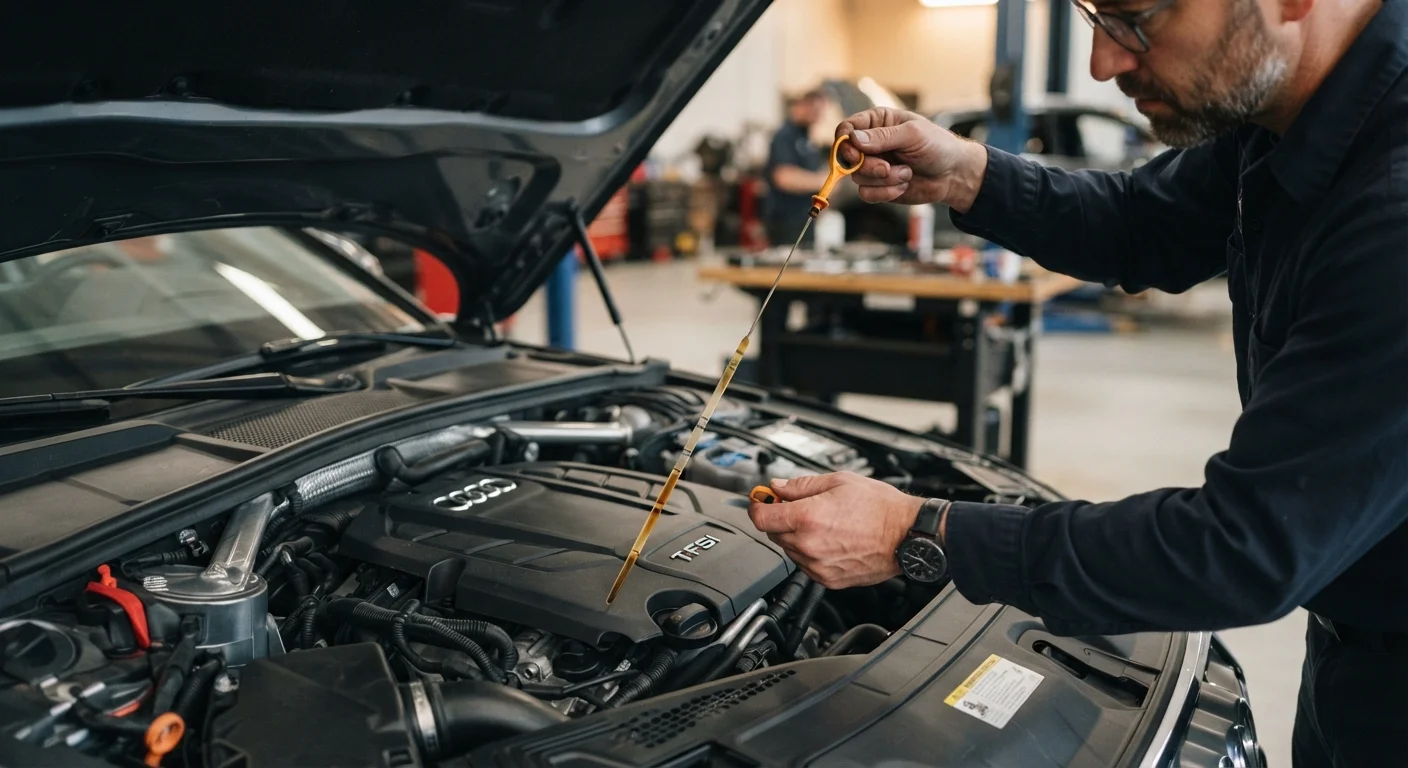
Photo: SaverSteals.com editorial
—— In This Article
Key Takeaways
- Most vehicle fluids can be visually inspected without any tools in under 30 minutes.
- Low or degraded fluids are among the most common and preventable causes of mechanical failure.
- Each fluid has a distinct color and consistency that signals whether it needs attention.
- Brake fluid and coolant checks are often overlooked but carry serious safety implications.
- When in doubt about a fluid's condition, consult a qualified mechanic before driving further.
Why Fluid Checks Matter More Than Most Drivers Realize
Your vehicle depends on multiple fluid systems working simultaneously — engine lubrication, cooling, braking, steering, and more. When any one of these runs low or degrades, the consequences range from reduced performance to outright mechanical failure. The good news: checking most fluids requires nothing more than a clean rag, good lighting, and about 20 minutes.
This checklist walks through each key fluid — what it does, what healthy looks like, and when action is required. Whether you're building a routine maintenance habit or preparing for a long trip, these checks apply. For a broader maintenance framework, see our guide on keeping a car in good shape for the long haul.
Safety First: Engine Temperature Matters
Checking fluids on a hot engine — especially the coolant system — can result in serious burns from pressurized steam or hot liquid. Park the vehicle and allow the engine to cool for at least 30 minutes before opening any reservoir caps. For brake fluid and washer fluid reservoirs, the temperature risk is lower, but the level-ground rule still applies for accurate readings.
Always check fluids with the vehicle parked on level ground. For engine oil and coolant, the engine should be off and cool (or follow your owner's manual) to get accurate readings and avoid burns.
Tools You'll Need
Most fluid checks require little more than what's already in your garage. Gather these before you start.
Clean lint-free rags or paper towels
Used to wipe dipsticks clean before and after checking fluid levels.
Flashlight or work light
Helps you see fluid colors and reservoir markings clearly in low-light engine bays.
Vehicle owner's manual
Specifies correct fluid types, capacities, and manufacturer-recommended intervals for your specific model.
Nitrile gloves
Protects your hands from fluids, some of which are toxic or corrosive on prolonged skin contact.
Funnel
Allows you to top off fluids precisely without spilling into surrounding engine components.
The Full Fluid Checklist
Work through each group in order. Note any readings that fall outside the normal range and flag them for follow-up. If you notice a warning light related to any of these systems, consult what your dashboard warning lights mean before continuing to drive.
Engine Oil
Coolant (Antifreeze)
Brake Fluid
Power Steering Fluid
Windshield Washer Fluid
Transmission Fluid
Never Mix Fluid Types
Using the wrong fluid in any system — particularly coolant, brake fluid, or transmission fluid — can cause rapid and severe mechanical damage. Always cross-reference your owner's manual before adding any fluid. If you're unsure what's already in the system, a mechanic can test it before you add anything new.
What to Do After You've Checked Everything
Once you've worked through the list, write down what you found — current levels, color notes, and any concerns — and date it. This creates a baseline that makes future checks more informative. If anything was low, top it off using the fluid type specified in your owner's manual; using the wrong grade or formulation can cause damage.
Fluid condition often changes with seasons. Cold winters thicken some fluids and stress others; summer heat accelerates coolant demands. The article on seasonal car prep covers how to adjust your checks as conditions change.
If you're heading out on a long drive soon, pairing these fluid checks with the broader pre-road-trip vehicle checklist gives you full coverage before departure. And if your engine oil is due for a change, review what oil change intervals actually mean to avoid changing it too early or too late.
This article provides general vehicle maintenance information for educational purposes only. Consult your vehicle's owner's manual and a qualified mechanic for guidance specific to your make and model.

Travel Editorial Team
Travel Editorial Team is the collective byline for our editorial team and contributor network. Articles published under this byline or an editorial pen name are researched, written, and reviewed according to our editorial standards for clarity, consistency, and independence before publication.
View author profile