
Car Depreciation: What It Is and Why It Matters to Owners
Vehicles lose value from the moment they leave the lot. Understanding depreciation helps you make smarter decisions about ownership and timing.
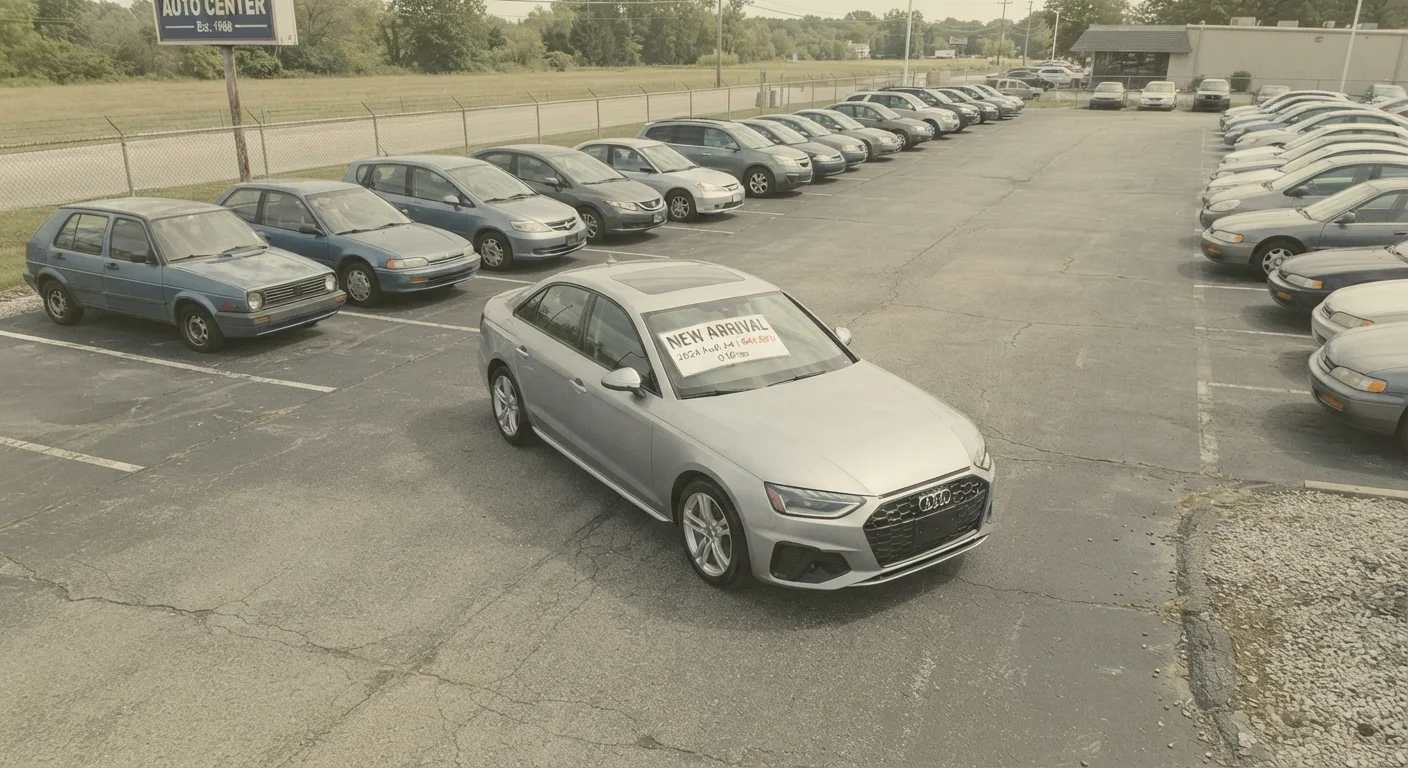
Photo: SaverSteals.com editorial
—— In This Article
Key Takeaways
- New cars can lose a significant portion of their value within the first few years of ownership.
- Depreciation is the single largest cost of car ownership for many drivers.
- Mileage, condition, brand reputation, and market demand all influence how fast a car depreciates.
- Buying a used vehicle means someone else absorbs the steepest part of the depreciation curve.
- Regular maintenance and keeping records can help slow value loss over time.
Why Your Car Is Worth Less Than You Paid
The moment a new car is driven off the dealership lot, it transitions from "new" to "used" — and that distinction has immediate financial consequences. This isn't a flaw in the system; it's simply how vehicle markets work. Buyers pay a premium for factory-fresh ownership, and once that's gone, so is a portion of the price.
Depreciation is often cited as the single largest ownership cost many drivers face — outpacing fuel, maintenance, and even insurance over a typical ownership period. Yet it's also the most overlooked, because it doesn't require you to write a check. You feel it only when it's time to sell or trade in. For a fuller picture of what cars actually cost, see what ownership actually costs beyond the sticker price.
~20%
Typical first-year value loss for new vehicles
Industry analysts generally estimate new cars lose roughly 15–25% of their value in the first year, though the figure varies by segment and market conditions.
~50%
Value retained after five years on average
Many vehicles retain roughly half their original value after five years of typical use, though models with strong reliability reputations often do better.
72 months
Common new-car loan term length in the U.S.
Longer loan terms increase the period during which owners risk being underwater, as loan balances decrease more slowly than vehicle values in early years.
The Factors That Drive Depreciation
Not all vehicles depreciate at the same rate. Several variables determine how quickly a car sheds value:
- Age and mileage: Both are primary drivers of value loss. Higher annual mileage accelerates the decline because it signals greater wear and a shorter remaining useful life.
- Brand and model reputation: Vehicles with strong reliability records and high consumer demand tend to hold value longer. This is a well-documented pattern in resale market data.
- Condition and maintenance: A car with a clean service history, no accident record, and well-maintained interior and exterior is worth more than an identical model that wasn't cared for. See how to keep a car in good shape for the long haul for practical guidance.
- Market demand: Fuel prices, economic conditions, and consumer preferences all shift resale values. SUVs surged in demand; compact sedans softened. External forces matter.
- Color and features: Unusual colors or stripped-down configurations can limit the pool of interested buyers and drag down resale values.
Preserve Value With Service Records
Keeping a paper or digital log of every oil change, tire rotation, and repair gives future buyers verifiable evidence that the vehicle was cared for. This documentation can meaningfully improve a private-sale price and speed up the transaction. Dealerships also factor maintenance history into trade-in offers.
Depreciation and the Ownership Decision
Understanding depreciation shapes how you think about buying and financing a vehicle. When you finance a new car, there's a real risk of becoming "underwater" — owing more on the loan than the car is worth. This can happen quickly in the first two to three years if the loan term is long and the down payment is small.
This dynamic is one reason the buying-versus-leasing question is more nuanced than it appears. With a lease, depreciation is effectively baked into your monthly payment — you're paying for the value the car loses during the lease term. With ownership, you bear the full depreciation risk, but you also keep whatever equity remains. Learn more in our comparison of buying vs. leasing a car.
It's also worth noting that cars are fundamentally different from appreciating assets like real estate. Unlike a home — where home valuation can trend upward — vehicles move in one direction. Planning around that reality is simply sound financial thinking.
Practical Implications for Current Owners
If you already own a vehicle, depreciation still has day-to-day relevance. It affects your auto insurance — specifically, how an insurer calculates the payout if your car is totaled. Insurers generally reimburse the vehicle's actual cash value at the time of the loss, not what you paid for it or what you owe on it.
Keeping your vehicle well-maintained — including proper tire care and routine service — won't stop depreciation, but it preserves as much value as possible. Service records, clean titles, and low accident history all give future buyers confidence, and that confidence translates to a stronger resale price.
“Depreciation is the silent cost of car ownership — it doesn't generate a bill, so people tend to ignore it. But it's real money leaving your hands every year.”
— Consumer Financial Education Perspective, General principle widely cited in personal finance and automotive cost literature
This article provides general information about vehicle ownership and depreciation. It is not financial or investment advice. Consult a qualified financial professional for guidance tailored to your personal situation.
Frequently Asked Questions

Travel Editorial Team
Travel Editorial Team is the collective byline for our editorial team and contributor network. Articles published under this byline or an editorial pen name are researched, written, and reviewed according to our editorial standards for clarity, consistency, and independence before publication.
View author profile