
Buying vs. Leasing a Car: How the Two Paths Compare
Ownership builds equity; leasing offers lower monthly payments. Understand the structural differences before committing to either arrangement.
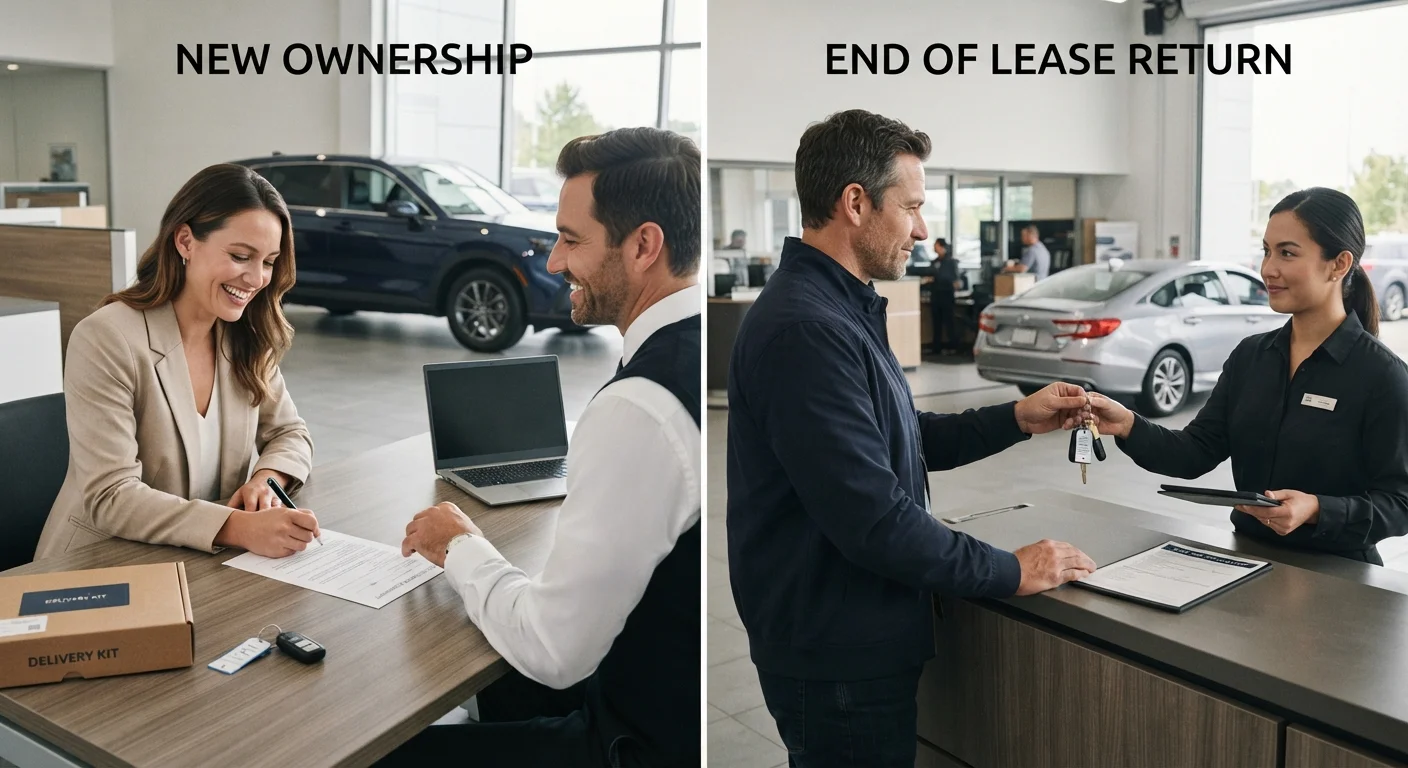
Photo: SaverSteals.com editorial
—— In This Article
Key Takeaways
- Buying builds equity; leasing means you return the vehicle at the end of the term.
- Lease payments are typically lower monthly but you have nothing to show for them at contract end.
- Mileage limits and wear-and-tear fees can make leasing more expensive than it first appears.
- Purchased vehicles can be modified, sold, or driven without restriction; leased ones cannot.
- Your driving habits, financial situation, and how long you keep cars should drive the decision.
- Total cost of ownership over a decade generally favors buying outright for high-mileage drivers.
The Core Structural Difference
When you buy a car — whether with cash or a loan — you become the legal owner. The vehicle is your asset. When you lease, you are paying for the right to use a vehicle the financing company owns, for a defined period and under defined conditions.
This distinction shapes everything that follows. A purchased vehicle can be sold, traded, modified, or driven cross-country with no restrictions. A leased vehicle must be returned at the end of the term in acceptable condition, within agreed mileage limits, or penalty fees apply. Understanding total cost of use is essential to both paths — see our guide on what car ownership actually costs beyond the sticker price for a fuller picture.
| Criterion | Buying | Leasing |
|---|---|---|
| Ownership | You own the vehicle outright | Financing company retains ownership |
| Monthly payment | Higher (full vehicle value financed) | Lower (depreciation period only) |
| Mileage limits | None | Typically 10,000–15,000 miles/year |
| Equity built | Yes — asset with resale value | No — payments return nothing |
| Modifications allowed | Yes | Generally prohibited |
| End-of-term outcome | Own the vehicle free and clear | Return or buy out the vehicle |
| Early exit flexibility | Sell or trade at any time | Significant early termination penalties |
| Wear-and-tear liability | Affects resale value only | Fees charged at return |
How Each Arrangement Handles Depreciation
Every new vehicle depreciates — often losing a significant portion of its value within the first few years. When you buy, you absorb that depreciation as the owner. When you lease, you effectively pay for the depreciation that occurs during your lease term, which is why payments are lower: you're not financing the whole vehicle, only the portion of value consumed during use.
This makes leasing financially attractive on paper, but the tradeoff is that you have no asset at term end. Buyers, despite absorbing depreciation losses, eventually own a vehicle outright — one that still holds some residual value. Our article on car depreciation and why it matters to owners explains how depreciation curves work and how timing affects value.
~49%
New-vehicle value lost in first 3 years
Industry estimates consistently show new vehicles depreciate sharply in early years, making the first owner absorb the steepest loss.
~30%
Share of new vehicles acquired via lease
Experian's automotive data has historically shown leasing accounts for a substantial minority of new vehicle transactions in the US.
11+ years
Average age of vehicles on US roads
According to S&P Global Mobility data, Americans are keeping vehicles longer — a trend that tends to favor buying over leasing economically.
Fees, Limits, and Fine Print That Change the Math
Lease contracts include terms that can significantly alter the apparent affordability of leasing:
- Mileage caps: Most leases allow 10,000–15,000 miles annually. Overages are charged per mile — often $0.15–$0.30 — and can add hundreds of dollars at return.
- Wear-and-tear standards: Lessees are responsible for returning the vehicle in acceptable condition. Dings, interior stains, or tire wear beyond normal use trigger charges.
- Disposition fees: Many leases charge a fee simply for returning the vehicle when you don't re-lease or purchase it at the end of the term.
- Early termination penalties: Exiting a lease early is expensive — often costing several months of remaining payments.
Buyers face different costs: loan interest, registration, maintenance, and eventual repair bills as the vehicle ages. Planning your budget around these variables is part of sound financial management — the budgeting basics hub offers useful frameworks for tracking these kinds of recurring costs.
Gap Insurance and Leased Vehicles
If a leased vehicle is totaled or stolen, standard auto insurance typically pays the vehicle's current market value — which may be less than what you still owe on the lease. Gap coverage (or similar protections offered through the leasing company) bridges that difference. Review what your lease contract requires and what your existing auto policy covers before declining additional protection. This is general information; consult a licensed insurance professional about your specific situation.
Which Path Makes More Sense for You
Neither arrangement is universally superior. The right choice depends on how you actually use a vehicle and what you value in the relationship with it.
Drivers who log high annual miles, tend to keep vehicles a long time, or want maximum flexibility generally come out ahead buying. The equity built — even accounting for depreciation — represents a real financial asset that can be redirected toward a future purchase. The parallel to real property is instructive: just as the rent-vs-buy calculation for homes depends on individual circumstances rather than a universal rule, so does the lease-vs-buy decision for cars.
Drivers who prioritize low monthly cash outflow, want to stay within factory warranty coverage at all times, and don't exceed typical mileage thresholds may find leasing a practical fit — provided they read the contract carefully and account for all fees before comparing to a purchase loan payment.
If you finance decisions across multiple budget categories, understanding how structured financial products compare — the way credit unions and banks differ in practice — helps sharpen how you evaluate any lender offering you an auto loan or lease.

Travel Editorial Team
Travel Editorial Team is the collective byline for our editorial team and contributor network. Articles published under this byline or an editorial pen name are researched, written, and reviewed according to our editorial standards for clarity, consistency, and independence before publication.
View author profile