
Thread Count, Weave, and Fabric: What Actually Makes Bed Sheets Comfortable
Thread count is just one piece of the puzzle. Learn how weave type, fabric material, and finish affect how sheets really feel.
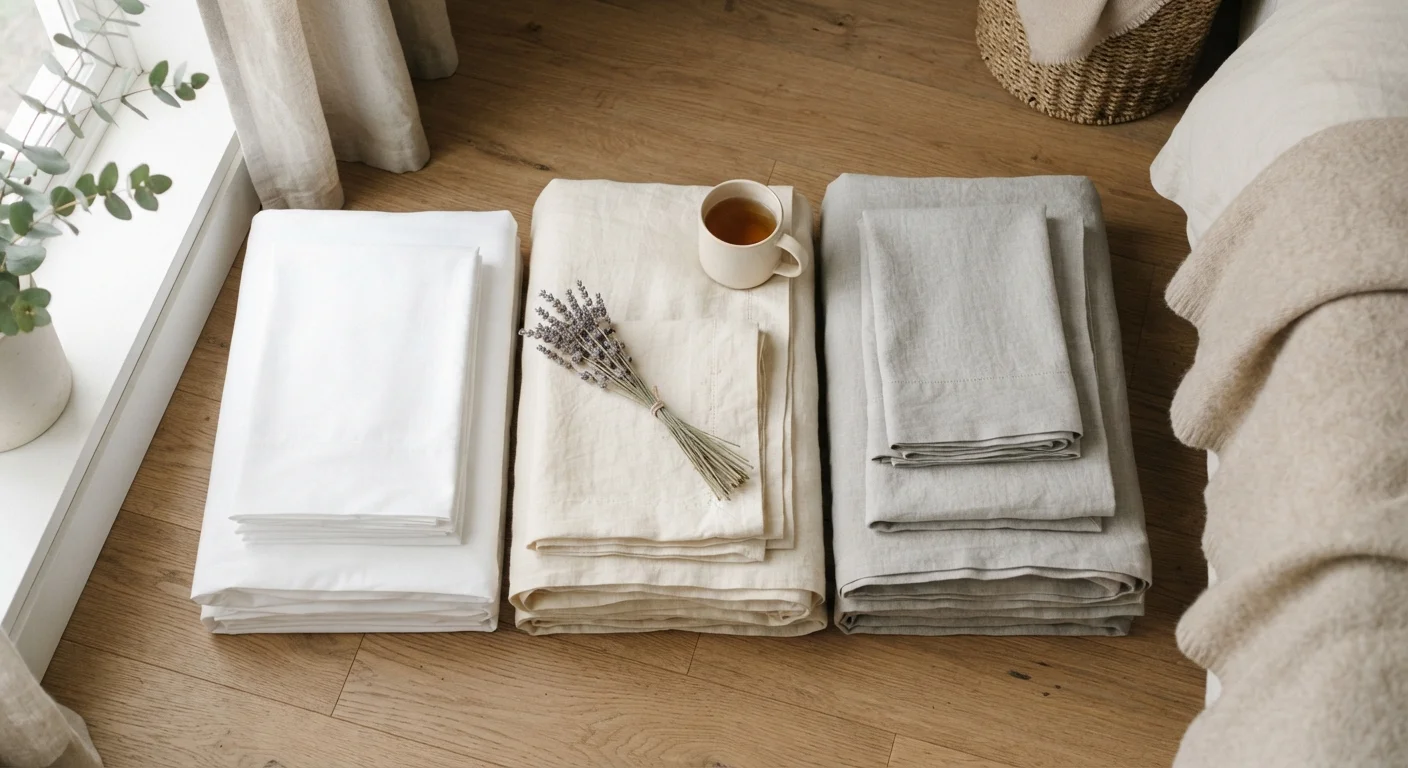
Photo: SaverSteals.com editorial
—— In This Article
Key Takeaways
- Thread count alone does not determine how comfortable or durable a sheet will be.
- Fabric type — cotton, linen, bamboo, or microfiber — has the largest impact on feel and breathability.
- Weave style affects texture, drape, warmth, and how a sheet holds up over time.
- Thread counts between 200 and 400 in quality cotton tend to offer a good balance of softness and durability.
- Finish treatments like brushing or mercerization can significantly change how a fabric feels to the touch.
- Sheets that feel comfortable in a store may perform differently after repeated washing.
Why Thread Count Became the Default Metric — and Why It Falls Short
Thread count became the dominant marketing shorthand for sheet quality because it's a simple, measurable number — easy to print on a label and easy for shoppers to compare. The logic seemed intuitive: more threads packed into each square inch should mean a denser, softer sheet. And within a narrow range of similar fabrics, that can be true.
The problem is that thread count says nothing about the quality of the fiber itself, the twist of the yarn, or how the fabric was constructed and finished. Manufacturers can — and do — inflate thread counts by using multi-ply yarns and counting each individual strand separately, rather than the number of distinct threads. A "1,000 thread count" sheet made from short-staple cotton with twisted multi-ply threads may feel rougher and pill faster than a 300-count sheet woven from long-staple Egyptian cotton.
A reasonable target for quality cotton sheets sits between 200 and 400 threads per square inch. Beyond that range, the gains in softness tend to plateau, and you're often paying for marketing rather than material improvement.
200–400
Recommended thread count range for quality cotton sheets
Industry textile experts generally agree that thread counts in this range, using quality single-ply yarn, deliver reliable softness and durability without inflated numbers.
~30%
Softness improvement linen shows after repeated washing
Linen fibers are known to relax and soften measurably with each wash cycle, making new linen sheets a long-term investment rather than an immediate comfort.
3 types
Primary factors determining sheet comfort
Fabric material, weave structure, and finishing treatments — not thread count alone — are the three variables most consistently linked to how sheets feel and perform.
Fabric Type: The Most Important Variable
The fiber a sheet is made from determines its breathability, moisture management, texture, and how it ages with washing. Here's how the main options compare:
- Cotton: The most common choice. Quality varies significantly by staple length. Long-staple varieties like Egyptian and Pima cotton produce finer, stronger yarns. Standard cotton is serviceable but tends to feel rougher and wear out faster.
- Linen: Made from flax plant fibers. Linen is naturally temperature-regulating, highly breathable, and gets softer with every wash. It starts stiffer and slightly scratchy but develops a relaxed, lived-in texture over time. It's typically more expensive than cotton.
- Bamboo-derived fabrics: Usually labeled as bamboo viscose or lyocell. These can be soft and moisture-wicking, but "bamboo" is a broad category — manufacturing processes vary widely and affect the final feel and environmental footprint.
- Microfiber: A synthetic fabric made from very fine polyester strands. Affordable and smooth, but less breathable than natural fibers and can generate static.
For a broader look at how natural and synthetic fibers compare across everyday use, see natural fibers vs. synthetics.
Weave Structure: How the Fabric Is Constructed
Once you've selected a fiber, the weave determines texture, weight, drape, and durability. The two most common weaves in bed sheets are:
- Percale: A simple one-over-one-under weave. The result is a matte, crisp, lightweight fabric that feels cool against the skin. Percale holds up well to washing and suits warm sleepers or those who prefer a hotel-style crispness.
- Sateen: A weave where threads float over several others before tucking under. This creates a smooth, slightly silky surface with a subtle sheen. Sateen feels softer and warmer than percale out of the package but is more prone to pilling and snagging over time.
Two less common but worth-knowing weaves:
- Twill: A diagonal weave pattern that creates a durable, dense fabric — the same construction used in denim. Flannel sheets often use a twill base that is then brushed to raise the fiber nap for extra warmth.
- Jersey: Knit rather than woven, jersey sheets feel like a soft t-shirt. They're stretchy and casual but tend to trap more heat than woven options.
Matching Weave to Sleeping Style
If you tend to sleep warm or live in a humid climate, percale or linen will generally serve you better than sateen or jersey. If you prefer warmth and weight — especially in cooler months — sateen or a brushed flannel twill may feel more comfortable. Neither option is universally better; it comes down to your personal sleep environment.
Finish and Treatments: The Often-Overlooked Factor
Even after fiber and weave are accounted for, manufacturing finishes can substantially change how a sheet feels. Brushing — mechanically raising the fiber surface — creates the soft, fuzzy warmth of flannel. Mercerization, a chemical treatment applied to cotton, increases luster, strength, and dye uptake. Enzyme washing pre-softens fabric before it reaches your bed.
On the flip side, some finishes are applied primarily for presentation. A sheet that feels exceptionally smooth in the store may have been treated with a starch or sizing that washes out after the first cycle, revealing a different underlying texture. Checking care instructions and fabric composition details — rather than relying on in-store feel alone — gives a more honest preview of long-term performance.
How you launder sheets also affects their feel over time. Dryer sheets, fabric softener, and wool dryer balls each interact differently with fabric fibers, and some treatments can degrade natural fibers or reduce moisture-wicking properties with repeated use.
Understanding fabric terminology more broadly can also help — the same principles that apply to clothing labels carry over to bedding. Our fabric glossary breaks down common fiber terms in plain language.
Labeling Terminology Can Be Inconsistent
Terms like "Egyptian cotton" and "bamboo" are not uniformly regulated on product labels, meaning a sheet marketed with these terms may contain varying proportions of the named fiber. Look for specific fiber content percentages on the label — for example, "100% long-staple cotton" — rather than relying on brand names or marketing descriptors alone.
Frequently Asked Questions

Shopping Editorial Team
Shopping Editorial Team is the collective byline for our editorial team and contributor network. Articles published under this byline or an editorial pen name are researched, written, and reviewed according to our editorial standards for clarity, consistency, and independence before publication.
View author profile