Renovation Projects That Rarely Add as Much Value as Homeowners Expect
Not every upgrade moves the needle on appraisal value. Learn which common improvements tend to return less than homeowners anticipate.
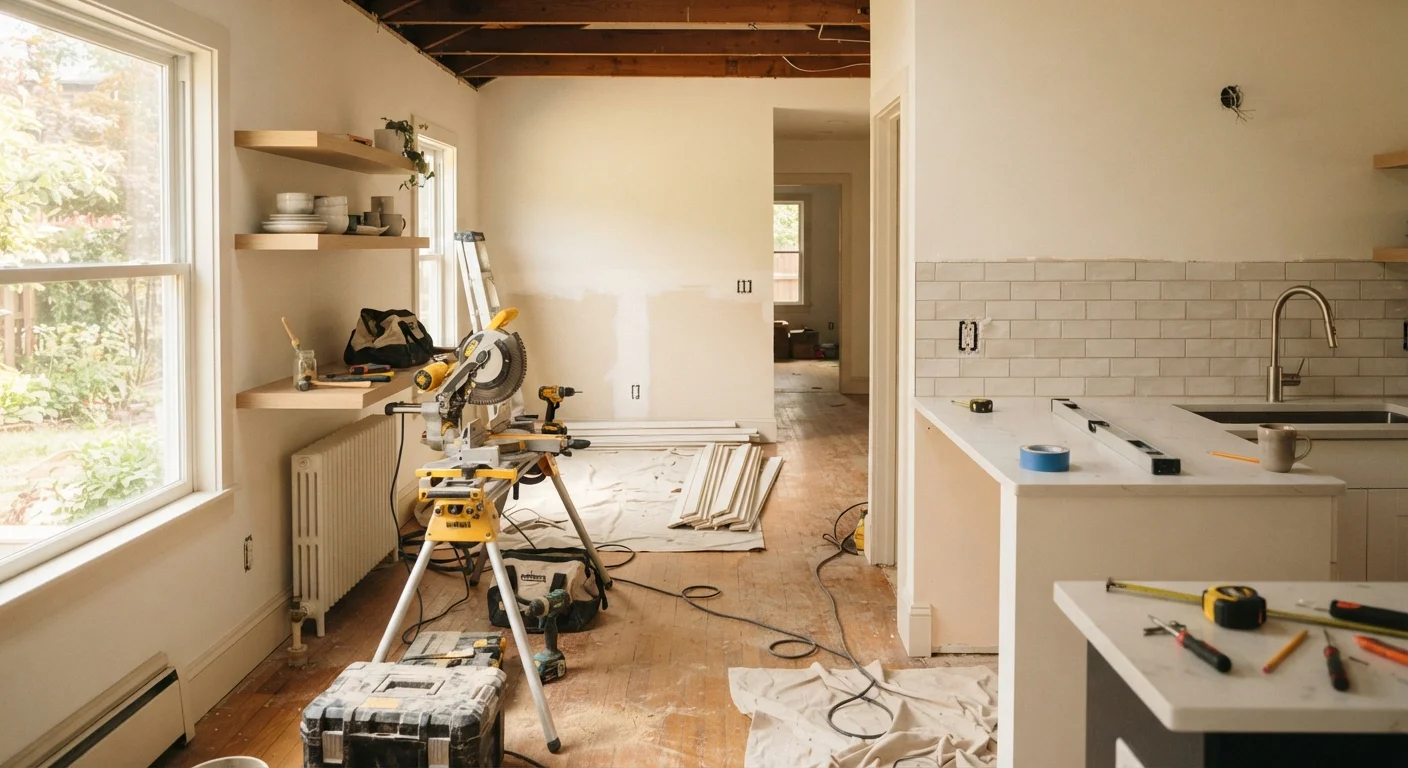
Photo: SaverSteals.com editorial
—— In This Article
Key Takeaways
- Appraisers use comparable sales to determine value, not renovation invoices or personal investment.
- Over-improving a home beyond neighborhood norms rarely produces dollar-for-dollar returns.
- Several popular projects — including pools and luxury finishes — routinely return less than 70 cents on the dollar.
- Understanding how appraisals work before renovating can protect your investment.
Why Renovation ROI Rarely Matches Expectations
Homeowners spend billions each year on renovations partly hoping to increase their property's market value. The logic seems sound: invest in your home, and your home's worth rises proportionally. In practice, the math rarely works that way.
Appraisers don't assign value based on what you paid for an upgrade. They use the sales comparison approach — measuring your home against similar recently sold properties in your area. If comparable homes in your neighborhood don't include a high-end chef's kitchen or a backyard pool, those features may add little measurable value on paper, regardless of their cost. To understand this process in more depth, see our article on how home appraisals actually work.
This is also why two nearly identical houses can carry very different appraised values — a topic explored further in our piece on why your home's value and your neighbor's look nothing alike. Renovation decisions that ignore local market context are among the most common — and costly — errors homeowners make.
Installing a high-end kitchen far above neighborhood standards.
Why it happens: Kitchen renovations are frequently cited as valuable upgrades, leading homeowners to assume more spending equals more return.
Adding an in-ground swimming pool expecting it to significantly raise appraised value.
Why it happens: Pools are aspirational features, and homeowners often assume buyers will pay a premium for them across all markets.
Converting a garage into living space without adding alternative parking.
Why it happens: Homeowners see square footage as straightforwardly valuable and assume converting unused garage space is a safe bet.
Over-investing in highly personalized or niche finishes.
Why it happens: Owners renovate partly for personal enjoyment and project their own preferences onto potential buyers.
Adding a home addition that pushes the property well above neighborhood price ceilings.
Why it happens: Homeowners assume that more space always means more value, without accounting for the ceiling that comparable sales impose.
Making Smarter Renovation Decisions Before You Spend
The goal isn't to avoid renovating — it's to renovate with realistic expectations. Before committing to a major project, consider asking a local real estate professional or licensed appraiser whether comparable homes in your market feature the upgrade you're planning. If they don't, you may be spending well above what the market will recognize.
~69%
Average cost recouped on major kitchen remodels
Remodeling Magazine's Cost vs. Value reports have consistently shown that upscale kitchen remodels return well under 70 cents on the dollar nationally.
~56%
Average cost recouped on in-ground pool additions
Industry cost-value analyses suggest pools frequently return less than 60% of their installation cost, with wide variation by climate and local market.
Focus first on repairs that address condition issues: a dated HVAC system, a roof nearing the end of its life, or deferred maintenance that appraisers are likely to flag. These corrections protect existing value rather than speculatively adding new value. Cosmetic improvements — fresh neutral paint, refinished floors, updated lighting — tend to present well and cost relatively little.
If your renovation is motivated by a planned sale, timing and scope matter. Our guide to preparing your home before an appraisal visit covers what appraisers actually notice and how to present your home's existing strengths effectively.
Don't Assume Renovation Cost Equals Added Value
A $40,000 bathroom remodel does not automatically add $40,000 to your appraised value. Appraisers are bound to market evidence — not receipts. If your neighborhood's comparable sales don't support the new price point, the investment may not be reflected in your appraisal. Always research local market conditions before committing to significant renovation spending.
For a broader look at the beliefs that lead homeowners astray, see our article on common misconceptions that lead homeowners to misjudge their property's worth.
This article is for general informational and educational purposes only and does not constitute financial, legal, or appraisal advice. Consult a licensed real estate appraiser or financial professional for guidance specific to your property and situation.

Real Estate Editorial Team
Real Estate Editorial Team is the collective byline for our editorial team and contributor network. Articles published under this byline or an editorial pen name are researched, written, and reviewed according to our editorial standards for clarity, consistency, and independence before publication.
View author profile