How Home Appraisals Actually Work
Demystify the home appraisal process — who conducts it, what appraisers examine, and how a final value is reached.
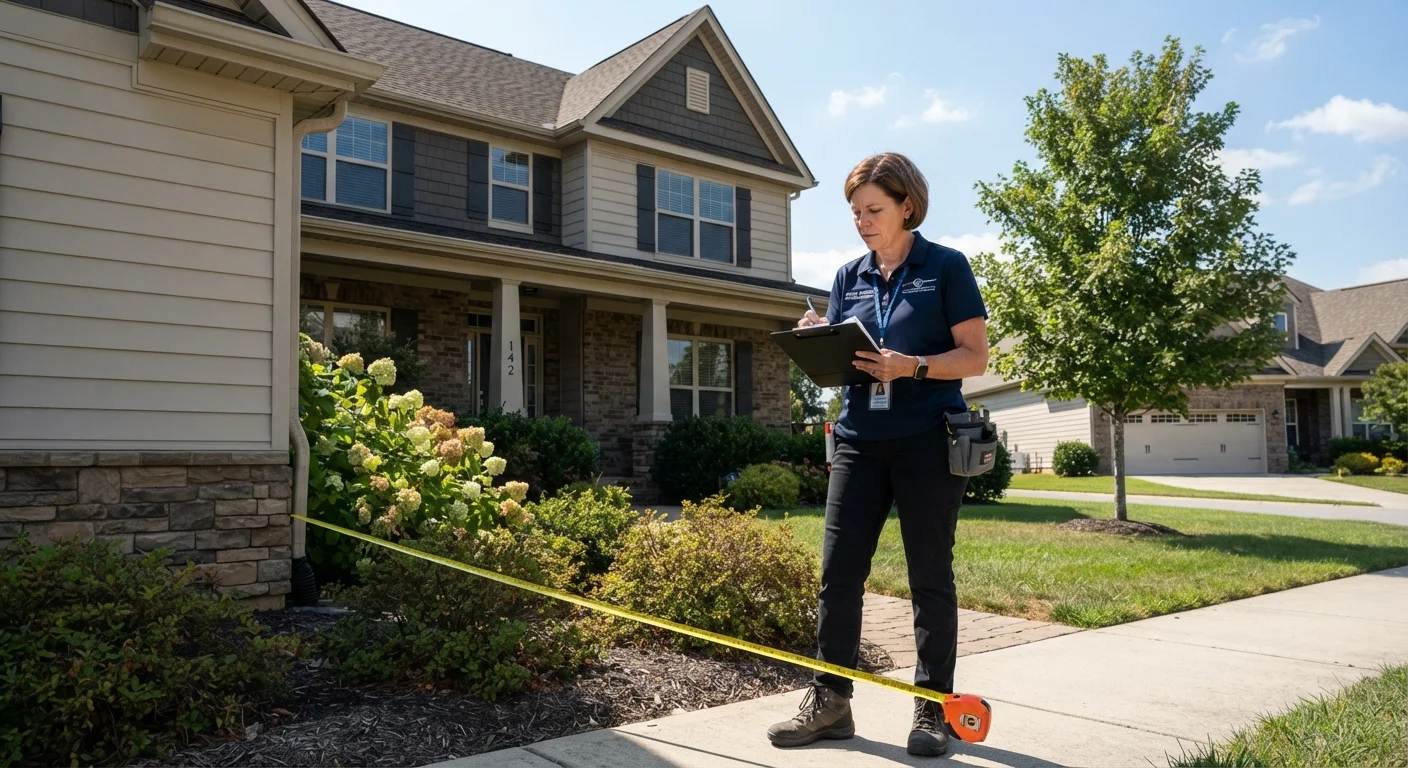
Photo: SaverSteals.com editorial
—— In This Article
Key Takeaways
- A licensed appraiser — not the buyer, seller, or agent — determines a home's appraised value independently.
- Appraisers weigh the home's physical condition, size, features, and recent comparable sales in the area.
- Lenders order appraisals to ensure they are not lending more than a property is worth.
- A low appraisal can affect the purchase price, loan terms, or whether a deal closes at all.
- Homeowners have a right to receive a copy of the appraisal report and can formally dispute a value they believe is inaccurate.
Why Appraisals Exist — and Who Orders Them
When a buyer applies for a mortgage, the lender faces a straightforward risk: they are lending a large sum of money against a specific piece of property. If the loan defaults, the lender needs to know that property is worth at least as much as the loan. An appraisal answers that question with a documented, professional opinion of value.
The lender — not the buyer or seller — orders the appraisal. Under federal regulations, lenders must use an appraisal management company (AMC) or an independent process to assign appraisers, specifically to prevent either party to the transaction from influencing the outcome. The buyer typically pays the fee, but the appraiser works independently of all parties.
Appraisals also come into play during refinancing, estate settlement, divorce proceedings, and property tax appeals. For a broader look at how appraisals fit within the full scope of home valuation, see our complete home valuation overview.
What an Appraiser Actually Examines
During the physical inspection, the appraiser reviews both the interior and exterior of the property. Key items evaluated include:
- Gross living area (GLA): The total finished, above-grade square footage — measured by the appraiser directly, not taken from tax records or listing data.
- Condition and quality: The appraiser rates the home's overall condition on a standardized scale, noting deferred maintenance, updates, or deterioration.
- Room count and layout: Bedrooms, bathrooms, and functional floor plan all influence value.
- Improvements and features: Kitchens, bathrooms, garages, finished basements, decks, pools, and recent renovations are documented and considered.
- Site characteristics: Lot size, topography, and location factors like proximity to busy roads or commercial zones can positively or negatively affect value.
The appraiser photographs the home extensively and notes anything that could materially affect value or marketability. Safety issues or significant deferred maintenance may be flagged and, depending on the loan type, may need to be corrected before the appraisal is finalized.
Prepare Documentation Before the Appraiser Arrives
Gather records of any permitted improvements — renovation receipts, contractor invoices, and permit documentation — so the appraiser can accurately account for upgrades. Items the appraiser cannot confirm or verify may not be reflected in the final value. Our appraisal preparation checklist outlines what to have on hand.
How Appraisers Arrive at a Final Value
Most residential appraisals rely primarily on the sales comparison approach. The appraiser identifies recently sold homes — typically referred to as comparable sales or comps — that are similar in size, condition, location, and features to the subject property. They then make dollar adjustments for differences between each comp and the home being appraised.
For example, if a comparable home sold for $400,000 but lacks the garage that the subject property has, the appraiser adds an estimated value for that garage. If a comp has an extra bathroom the subject property does not, the appraiser subtracts value. After adjustments, each comparable sale produces an indicated value, and the appraiser reconciles those indications into a final opinion of value.
~10%
Appraisals that come in below contract price
Industry surveys have historically estimated that roughly 1 in 10 purchase appraisals returns a value below the agreed purchase price, though rates fluctuate with market conditions.
3–5
Comparable sales typically analyzed per appraisal
Appraisers generally rely on at least three recent, nearby comparable sales when applying the sales comparison approach, though complex properties may require more.
Appraisers may also apply the cost approach — estimating what it would cost to rebuild the structure from scratch, minus depreciation, plus land value — and in some income-producing properties, an income approach. For most single-family homes, the sales comparison approach carries the most weight.
It's worth understanding how an appraised value differs from other figures you may encounter. Our article on assessed value, appraised value, and market value explains each number and when it matters.
“An appraisal is not a guarantee of value — it is a professionally supported opinion, grounded in market evidence, made at a specific point in time. Markets move; that opinion reflects conditions on the day the report is written.”
— Appraisal Institute, Professional association representing real estate appraisers in the United States
Reading the Appraisal Report and Next Steps
The finished product is a formal appraisal report — most commonly the Uniform Residential Appraisal Report (Form 1004) for single-family homes. Under federal law, buyers in mortgage transactions have the right to receive a copy of the appraisal at no extra charge at least three business days before closing.
The report includes the appraiser's final value conclusion, the comparable sales used, all adjustments made, and supporting commentary. Reviewing this document carefully is worthwhile: it can reveal how the appraiser viewed your home relative to the neighborhood and whether any conditions were noted that require attention.
If you believe the value is incorrect, a formal reconsideration of value can be requested through the lender. This is not an appeal of the appraiser's judgment but rather a request to review specific evidence — such as comparable sales the appraiser did not consider. Before the appraisal visit itself, there are practical steps homeowners can take; our home preparation checklist covers what to have ready.
Online valuation tools offer a quick reference point but cannot replicate what a licensed appraiser does. To understand where those estimates fall short, see our explainer on automated valuation models (AVMs).
This article is for general informational and educational purposes only and does not constitute financial, legal, or appraisal advice. Consult a licensed real estate professional or certified appraiser for guidance specific to your situation.
Frequently Asked Questions

Real Estate Editorial Team
Real Estate Editorial Team is the collective byline for our editorial team and contributor network. Articles published under this byline or an editorial pen name are researched, written, and reviewed according to our editorial standards for clarity, consistency, and independence before publication.
View author profile