Preparing Your Home Before an Appraisal Visit
A checklist of practical steps homeowners can take before an appraiser arrives to ensure nothing is overlooked or undercounted.

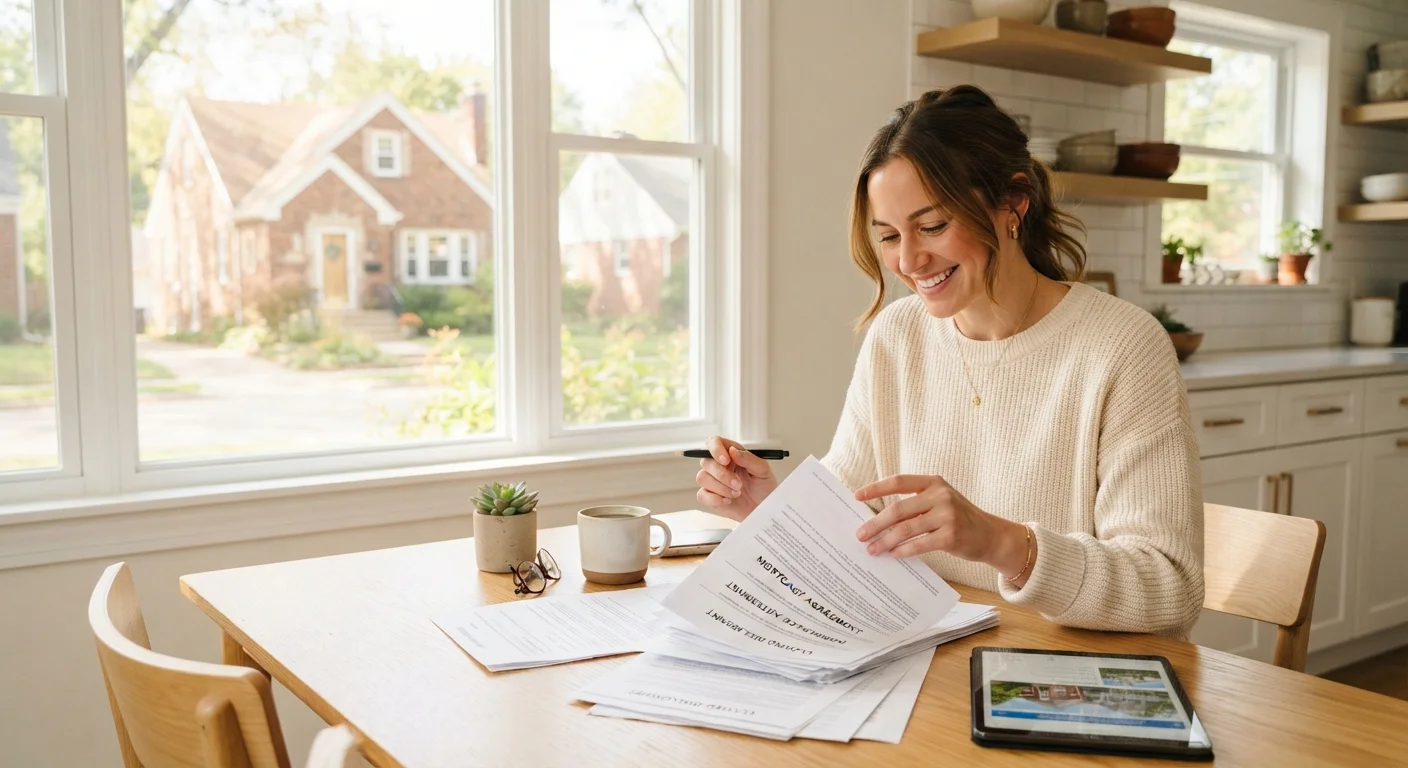
Photo: SaverSteals.com editorial
—— In This Article
Key Takeaways
- Appraisers assess condition, size, and features — preparation helps ensure nothing is missed or misrepresented.
- Small cosmetic fixes and organized documentation can meaningfully support an accurate valuation.
- Appraisers are not inspectors; they note visible deficiencies, not hidden structural issues.
- Providing a list of recent upgrades and comparable sales gives the appraiser useful context.
- A low appraisal can be disputed — preparation reduces the likelihood of an avoidable undercount.
Why Preparation Matters Before an Appraisal
A home appraisal is a licensed professional's opinion of your property's market value, typically required by lenders during a purchase, refinance, or home equity transaction. Appraisers follow a structured methodology — examining the property's physical condition, measuring square footage, and comparing it to similar recently sold homes in the area — but they can only account for what they observe during a visit that often lasts between 30 minutes and two hours.
That reality gives homeowners a meaningful role in the process. Appraisers are not trying to find reasons to lower a value, but deferred maintenance, clutter obscuring structural features, or missing documentation of upgrades can result in a valuation that doesn't fully reflect what your home is worth. Preparation is not about staging or cosmetic illusion — it's about ensuring the appraiser has accurate, complete information to work with.
If you've already received a valuation you believe is too low, see our guide on disputing a low home appraisal for an explanation of how the reconsideration of value process works. The best outcome, however, starts well before the appraiser walks through the door.
Documentation & Records
Exterior & Curb Appeal
Interior Condition & Access
Systems & Safety Features
On the Day of the Visit
What to Gather and Fix Before the Visit
Appraisers rely on both observation and documentation. Preparing on both fronts — tidying the physical space and assembling paperwork — maximizes the accuracy of the final report.
Improvement log or home records binder
Organizes renovation receipts, permit copies, and warranty documents in one place for quick reference during the appraisal visit.
Measuring tape
Allows you to verify room dimensions before the appraiser arrives, so you can flag any potential discrepancy in square footage.
Basic repair supplies (caulk, touch-up paint, bulb replacements)
Enables quick correction of minor visible deficiencies — cracked caulk, scuffed walls, or burned-out bulbs — in the days before the visit.
Local MLS or county assessor records
Provides data on nearby comparable sales that you can reference when speaking with the appraiser about your home's market context.
Documentation the Appraiser Will Welcome
While appraisers gather their own data, they are permitted to accept relevant information from homeowners. A one-page summary of completed improvements, with approximate dates and costs, helps the appraiser account for upgrades that might not be obvious at a glance — a new HVAC system, a re-roofed garage, or recently replaced windows. If you have permits pulled for structural work, include those as well.
Your home's condition relative to comparable sales in the neighborhood is a core driver of value. If you're aware of nearby properties that have sold and that share meaningful similarities with yours — square footage, lot size, age, features — you can mention them. Appraisers are not obligated to use your suggestions, but relevant local data points are worth sharing.
Do Not Attempt to Influence the Appraiser's Value
Providing documentation and answering questions is appropriate and helpful. However, pressuring an appraiser toward a specific number, offering gratuities, or misrepresenting completed work are violations of appraisal independence standards and potentially federal law. Appraisers are licensed professionals bound by the Uniform Standards of Professional Appraisal Practice (USPAP); their independence is a legal requirement, not a preference. Share information factually and let the professional make their determination.
Unpermitted Additions Can Reduce — Not Raise — Value
If your home has additions or conversions (a finished basement, an enclosed garage, an extra room) completed without permits, be aware that appraisers may be unable to count that square footage in their calculation. In some cases, unpermitted work can introduce lender compliance issues. If you are aware of unpermitted improvements, consult a real estate professional before the appraisal to understand your options.
Thinking about broader home readiness? The home winterization checklist is a useful companion resource for staying on top of seasonal maintenance that protects long-term condition — and by extension, long-term value.
This article provides general educational information about the home appraisal process and is not a substitute for advice from a licensed appraiser, real estate professional, or financial adviser. Appraisal outcomes depend on many factors outside a homeowner's control.

Real Estate Editorial Team
Real Estate Editorial Team is the collective byline for our editorial team and contributor network. Articles published under this byline or an editorial pen name are researched, written, and reviewed according to our editorial standards for clarity, consistency, and independence before publication.
View author profile