
Your Pet's Annual Wellness Exam: What Actually Happens and Why It Matters
Annual vet visits aren't just about vaccines. Here's a clear breakdown of what vets assess and why routine exams catch problems early.
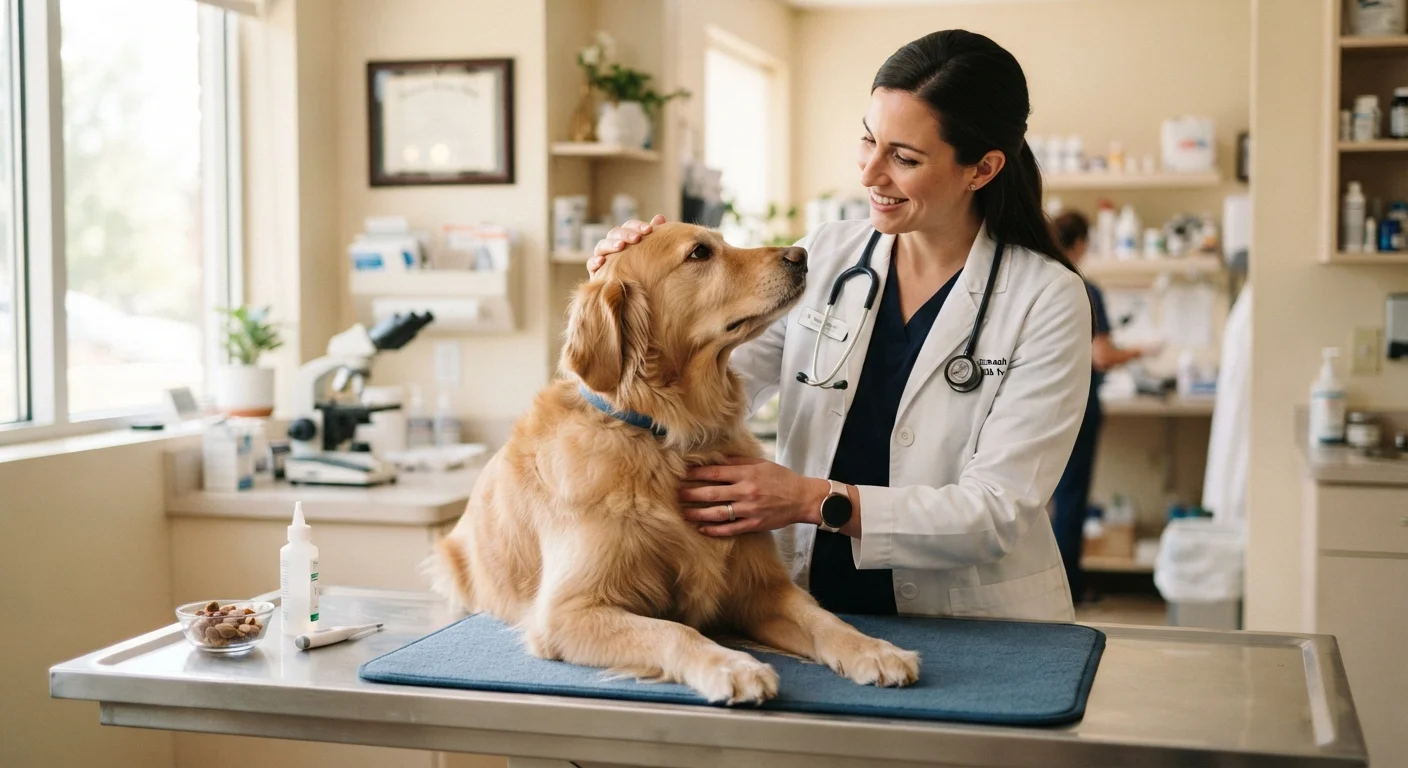
Photo: SaverSteals.com editorial
—— In This Article
Key Takeaways
- A wellness exam covers far more than vaccines — it includes a full physical assessment of major body systems.
- Many conditions, including dental disease and heart murmurs, are detectable early through routine exams before symptoms appear.
- Senior pets and puppies or kittens may need exams more than once a year due to faster-changing health needs.
- Bringing notes about your pet's behavior, diet, and any changes at home makes the exam more productive.
- Annual exams establish a health baseline that makes it easier for vets to spot changes over time.
More Than a Shot Appointment
For many pet owners, the annual vet visit feels synonymous with vaccines. But the wellness exam itself — the hands-on physical assessment — is where a skilled veterinarian gathers the most information about your pet's health. Vaccines are one small component; the exam is the foundation.
Understanding what actually happens during that appointment can make you a more confident, engaged participant. And when you know what your vet is looking for, you're better prepared to share the observations that only you — the person living with your pet — can offer.
If you're preparing for your pet's first exam or helping a nervous pet feel more comfortable, our guide to stress-free vet visits has practical steps that can help.
What Vets Actually Assess: The Head-to-Tail Physical
A standard wellness exam follows a systematic pattern, moving through the body's major systems. Here's what your vet is evaluating:
- Eyes and ears: Checking for discharge, cloudiness, redness, or early signs of infection or pressure issues like glaucoma.
- Mouth and teeth: Dental disease affects a significant portion of adult pets. Vets look for tartar buildup, gum inflammation, and signs of tooth root problems — many of which cause pain that pets rarely show overtly. See our article on the mouth problems pet owners underestimate for more on this.
- Lymph nodes and skin: Enlarged lymph nodes can signal infection or other systemic concerns. Skin and coat condition reflects nutrition, allergies, and parasites.
- Heart and lungs: Using a stethoscope, vets listen for murmurs, irregular rhythms, or abnormal lung sounds — signs of cardiac or respiratory issues that often develop silently.
- Abdomen: Palpation (gentle pressing) of the belly helps assess organ size and detect discomfort, masses, or abnormalities in the stomach, intestines, liver, spleen, and kidneys.
- Musculoskeletal system: Vets check gait, joint flexibility, and muscle tone — especially important in larger breeds and aging pets where arthritis can set in gradually.
- Weight and body condition: Trend data matters more than a single number. Weight changes over time can be early indicators of metabolic disease, organ problems, or undetected pain.
Make Your Observations Count
Before the appointment, jot down any changes you've noticed — shifts in appetite, water intake, sleep habits, energy level, or elimination patterns. These behavioral clues are things only you can observe, and they often guide which follow-up questions or tests your vet will prioritize. Even small changes are worth mentioning.
When Lab Work Enters the Picture
Depending on your pet's age, history, and what the physical exam turns up, your vet may recommend additional diagnostics. Common options include:
- Fecal testing for intestinal parasites, which can be present without visible signs.
- Heartworm testing — typically annual for dogs in regions where the parasite is prevalent.
- Blood panels that assess kidney and liver function, blood sugar, thyroid levels, and red and white blood cell counts. These become especially valuable for senior pets.
- Urinalysis to evaluate kidney health and check for infection or crystal formation.
These aren't extras pushed onto every visit — they're tools that give vets a fuller picture when clinical signs are ambiguous or a pet is entering a life stage where organ function should be monitored. See also how care shifts in our senior pet care guide.
~80%
Dogs showing dental disease signs by age 3
According to the American Veterinary Dental College, most dogs show evidence of periodontal disease by age three — a condition often detected first during routine wellness exams.
2x/year
Recommended exam frequency for senior pets
Many veterinary organizations recommend bi-annual wellness visits for senior dogs and cats, reflecting how quickly age-related changes can develop in older animals.
1 in 3
Cats diagnosed with kidney disease in lifetime
Feline kidney disease is among the most common conditions in older cats; routine blood and urine screening during wellness exams is a primary way to detect it in manageable early stages.
Vaccines, Parasite Prevention, and Individualized Planning
After the physical exam, your vet will review which vaccines are due based on your pet's species, age, lifestyle, and regional risk factors. Not every pet needs every vaccine every year — this is a conversation, not a fixed menu. For a clear breakdown of what vaccines cover and why schedules vary, our article on pet vaccination schedules explains it in plain language.
Parasite prevention — for fleas, ticks, heartworm, and intestinal worms — is also reviewed and updated as needed. Regional differences matter: a pet in a humid, tick-heavy area has different risks than one in a dry urban environment.
The end of the visit is also a good time to ask about nutrition, weight management, dental care, and behavior. Annual exams are one of the best opportunities for a focused conversation with someone who knows your pet's full health history.
This article provides general health information for educational purposes only and is not a substitute for professional veterinary advice. Always consult your veterinarian for guidance specific to your pet's health needs.
Frequently Asked Questions

Pets Editorial Team
Pets Editorial Team is the collective byline for our editorial team and contributor network. Articles published under this byline or an editorial pen name are researched, written, and reviewed according to our editorial standards for clarity, consistency, and independence before publication.
View author profile