
Senior Pet Care: How Health Needs Shift as Dogs and Cats Age
Older pets face different health challenges than younger ones. Learn what changes to expect and how veterinary care typically adapts over time.
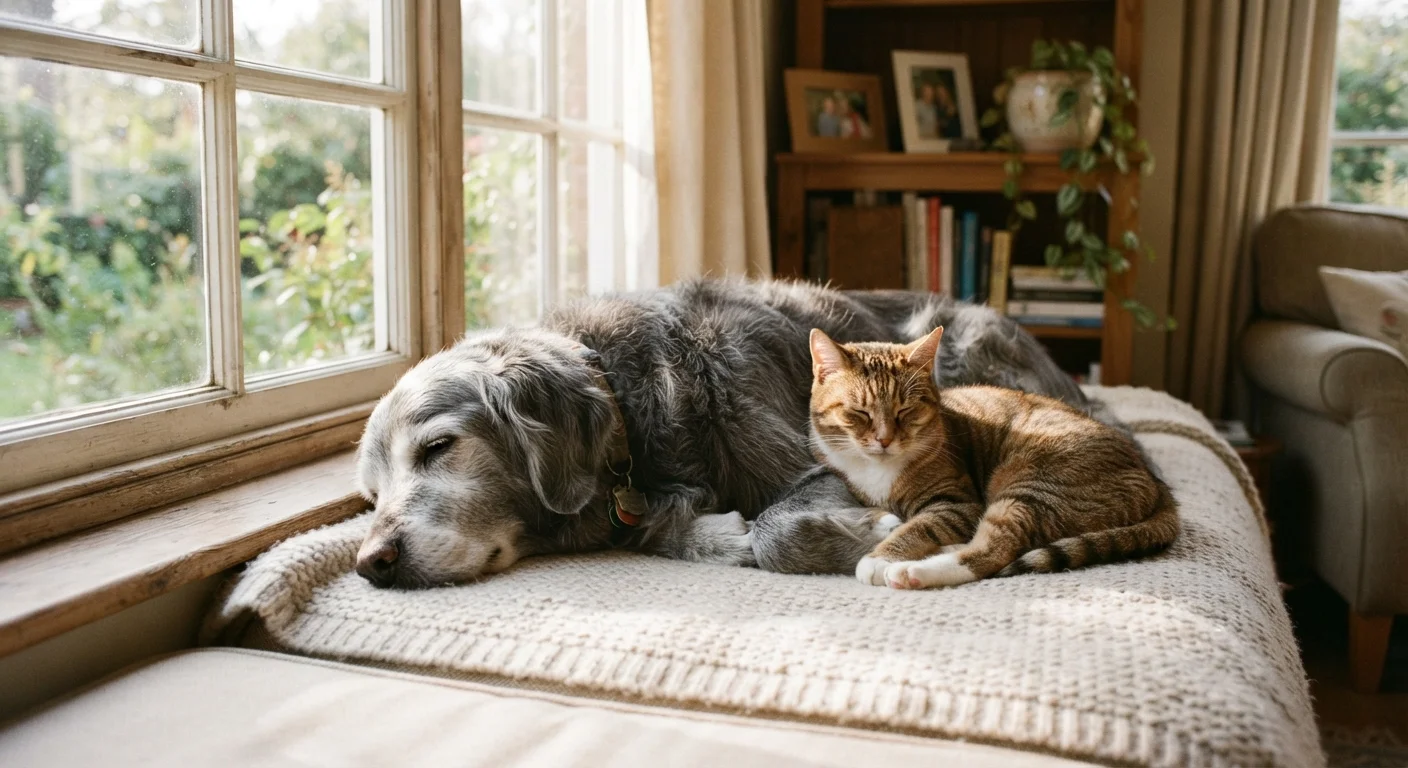
Photo: SaverSteals.com editorial
—— In This Article
Key Takeaways
- Dogs and cats are generally considered senior between ages 7–10, depending on species and size.
- Regular vet visits become more important — often twice yearly — as pets age.
- Common age-related conditions include arthritis, dental disease, kidney changes, and cognitive decline.
- Diet, weight management, and adapted exercise play a key role in senior pet wellbeing.
- Behavioral or personality shifts in older pets often have medical causes worth discussing with a vet.
When Does a Pet Become 'Senior'?
There's no universal age when a pet officially crosses into senior territory — it depends on species, breed, and individual health. As a general starting point, most veterinarians consider cats and small-breed dogs to enter their senior years around age 10 to 11, while large and giant dog breeds tend to age faster and may be considered senior as early as 7.
The reasoning has to do with how different bodies age. A 130-pound Great Dane experiences age-related wear and tear much earlier than a 10-pound Chihuahua of the same age. For cats, aging is relatively more uniform across breeds, though individual health status matters enormously.
Knowing when your pet is entering this life stage is valuable because it helps you and your vet shift from a preventive mindset to one that also includes active monitoring. If you're adapting other areas of daily life for an older pet, see our companion piece on how aging pets' needs shift day to day for practical guidance alongside the health information here.
Senior pet
A dog or cat that has entered the later stage of life, generally considered to begin around age 7–11 depending on species and size.
Cognitive Dysfunction Syndrome (CDS)
An age-related condition in dogs and cats involving changes to brain function, sometimes compared to dementia, that can affect memory, awareness, and behavior.
Chronic Kidney Disease (CKD)
A progressive condition where kidney function declines over time, more common in older cats; often managed rather than cured.
Hyperthyroidism
An overactive thyroid gland that produces excess hormone — one of the most common conditions diagnosed in cats over ten years old.
Body condition score
A standardized system vets use to assess whether a pet is underweight, at a healthy weight, or overweight, based on visible and palpable physical cues.
Common Health Changes to Watch For
Aging doesn't arrive all at once. For most pets, it's a gradual accumulation of small changes — some visible, some only detectable through diagnostics. Understanding what's common helps you know what to bring up with your vet rather than assuming something is simply 'old age.'
- Arthritis and joint stiffness: One of the most widespread conditions in older dogs and cats. You might notice slower movement in the morning, reluctance to jump, or a changed gait.
- Dental disease: By the time many pets are senior, they've had years of tartar and plaque buildup. Untreated dental disease can affect organ health over time. Our article on pet dental health explains how this progresses and what care looks like.
- Kidney disease: Particularly common in cats, chronic kidney disease (CKD) often develops slowly. Increased thirst, more frequent urination, and weight loss can be early signals.
- Hyperthyroidism (cats): An overactive thyroid is one of the most frequently diagnosed conditions in cats over 10. Symptoms can include increased appetite, weight loss, and hyperactivity.
- Cognitive changes: Dogs can develop Canine Cognitive Dysfunction (CCD), which parallels aspects of dementia in humans. Cats can experience similar changes. Disorientation, altered sleep patterns, and reduced interaction may indicate cognitive shifts.
Don't Dismiss Changes as 'Just Aging'
It can be tempting to attribute new symptoms — slowing down, drinking more water, sleeping differently — to normal aging. But many of these signs point to manageable conditions when caught early. If something seems off, a vet visit is always the right call rather than a wait-and-see approach.
Many of these conditions develop quietly. Regular screening is often what catches them early — which is why vet visit frequency matters so much as pets age.
How Veterinary Care Typically Shifts
One of the most meaningful changes in senior pet care is how often your vet wants to see your animal. For healthy adult pets, annual wellness exams are typically standard. Once a pet enters their senior years, twice-yearly visits are commonly recommended — not because something is necessarily wrong, but because a lot can change in six months for an older body.
These visits often include more than a physical exam. Depending on your pet's age and history, your vet may recommend:
- Blood panels to check organ function (kidneys, liver, thyroid)
- Urinalysis to detect early kidney or metabolic changes
- Blood pressure monitoring, especially in cats
- Dental assessments and possible professional cleanings
- Screening for lumps, masses, or lymph node changes
Keep a Simple Health Journal
Between vet visits, jot down any changes you notice — eating habits, mobility, sleep patterns, or behavior shifts. Even brief notes can help your vet spot patterns that might not be obvious in a single exam. This is especially useful when changes are subtle and gradual.
Parasite prevention doesn't stop in the senior years either — though your vet may reassess what's appropriate. See our overview on flea, tick, and heartworm prevention for context on how these conversations typically go.
The goal of more frequent monitoring isn't to alarm you — it's to give you and your vet the best chance of catching and managing conditions before they become harder to address.
Nutrition, Weight, and Mobility
A senior pet's nutritional needs can differ from those of a younger animal, but the right approach varies by individual. Some older pets gain weight as their activity decreases; others lose muscle mass or struggle to maintain a healthy weight due to illness. Neither is automatically 'normal,' and both are worth discussing with your vet.
Weight management deserves particular attention. Excess weight puts additional strain on already-aging joints, while being underweight can signal underlying disease. Our article on keeping your dog's weight in a healthy range covers body condition scoring and what realistic weight management looks like.
For mobility, the approach is generally about adaptation rather than elimination. Many senior dogs still benefit from regular, gentle exercise — shorter, more frequent walks are often preferable to long outings. Cats may benefit from lower-entry litter boxes, ramps instead of stairs, and easily accessible resting spots. Small changes to the home environment can significantly improve comfort for an arthritic pet. For ideas on modifying your home thoughtfully, see pet-proofing your home for approaches that balance safety and comfort.
Emotional and Cognitive Wellbeing
Health isn't only physical. Senior pets can experience meaningful shifts in behavior, mood, and mental sharpness — and these changes deserve as much attention as the more obvious physical ones.
If your older pet seems anxious, clingy, or more easily startled, it's worth a vet conversation. Cognitive changes, pain, and sensory decline (reduced hearing or vision) can all trigger behavioral shifts that might look like 'personality changes' but have identifiable medical roots. Our article on signs your pet may be stressed can help you recognize the difference between situational anxiety and something more persistent.
Routine and predictability matter more than ever for senior animals. Maintaining consistent feeding times, sleep spaces, and interaction patterns can reduce disorientation and provide reassurance — especially for pets showing signs of cognitive decline.
Above all, try to resist the instinct to withdraw when a pet slows down. Older pets still need — and often deeply appreciate — connection, gentle play, and your presence. The nature of care shifts, but the bond doesn't have to.
This article is for general informational purposes only and is not a substitute for professional veterinary advice. Always consult a licensed veterinarian for guidance specific to your pet's health and circumstances.
Frequently Asked Questions

Pets Editorial Team
Pets Editorial Team is the collective byline for our editorial team and contributor network. Articles published under this byline or an editorial pen name are researched, written, and reviewed according to our editorial standards for clarity, consistency, and independence before publication.
View author profile