
Preparing Your Pet for a Stress-Free Vet Visit
Anxiety at the vet is common in pets and owners alike. These evidence-informed steps can help make appointments calmer and more productive.
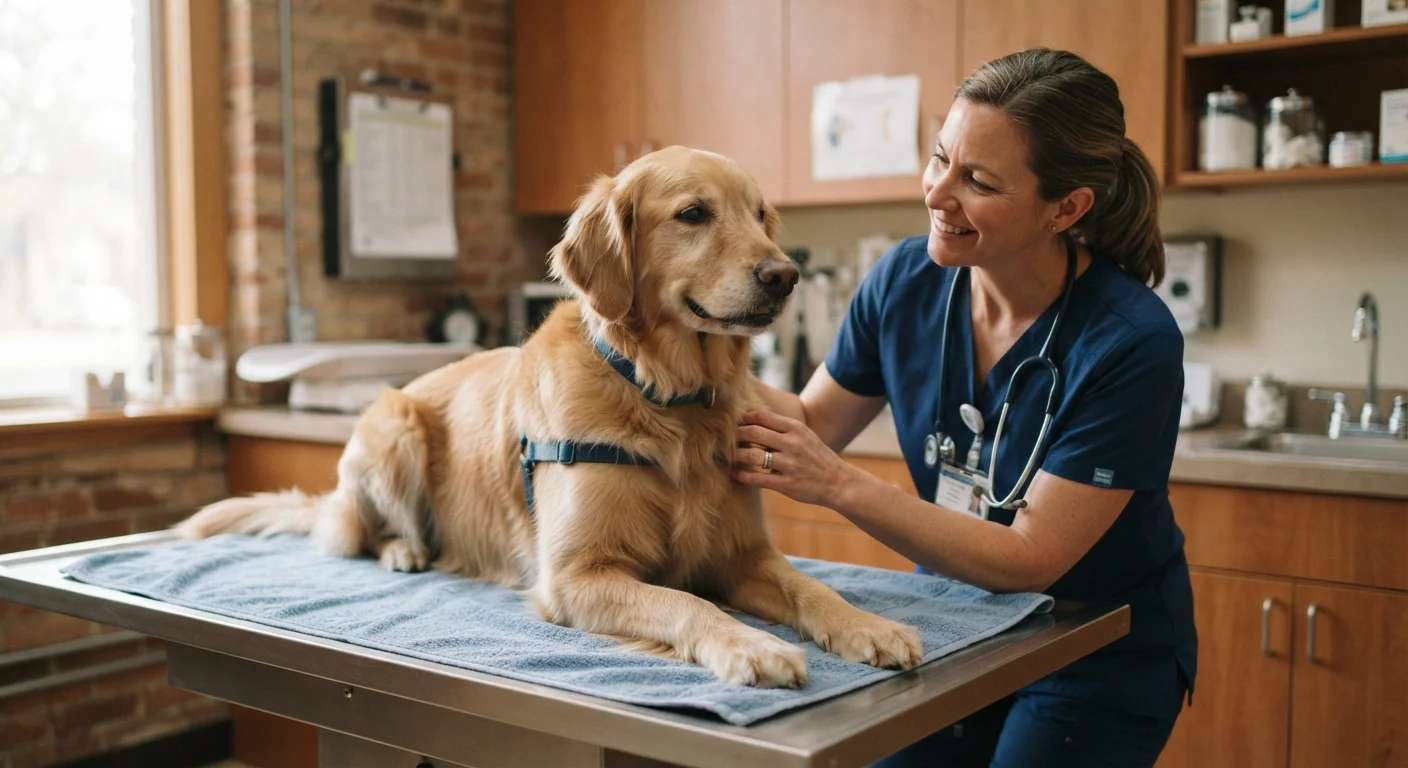
Photo: SaverSteals.com editorial
—— In This Article
Key Takeaways
- Carrier and car acclimation before the visit significantly reduces in-clinic anxiety.
- Withholding food before appointments makes treat-based positive reinforcement more effective.
- Sharing behavioral observations with your vet in advance helps them prepare and work more efficiently.
- A pet's stress level is often influenced by the owner's calm demeanor and body language.
- Regular low-stakes vet visits help pets associate the clinic with neutral experiences.
Why Vet Visits Feel So Stressful for Pets
The veterinary clinic is an unfamiliar environment filled with strange smells, sounds, and surfaces — and it usually involves being handled by strangers. For many pets, especially those without early socialization exposure, this combination triggers a genuine fear response. That stress isn't a behavioral flaw; it's a natural reaction that owners and vets can work around together.
Understanding this helps shift the goal. Rather than expecting your pet to simply tolerate the visit, the aim is to make it genuinely less threatening through preparation, familiarity, and positive association. For a deeper look at what happens during a routine appointment and why those exams matter, see our overview of what actually happens at a wellness exam.
What you will need
What You'll Need
Most of what makes a vet visit go smoothly is preparation you can handle at home well before the day arrives. Gather these essentials in advance:
Secure carrier or crate
Transports your pet safely and provides a familiar, enclosed space that can reduce travel anxiety.
High-value treats
Used throughout the visit to create positive associations with handling, the exam room, and the vet.
Familiar blanket or worn clothing item
Placing a scent-familiar item in the carrier helps comfort anxious pets during travel.
Written symptom notes
Helps you communicate clearly with the vet without forgetting details in the moment.
Step-by-Step: Preparing for the Visit
Follow these steps in the days and hours leading up to the appointment. The earlier you start the carrier acclimation process, the more effective it will be.
Acclimate your pet to their carrier days before the appointment
Leave the carrier out in a common area — not just on vet day — so your pet can explore it freely. Place treats, a familiar toy, or a piece of your clothing inside. For cats especially, a carrier that feels like a safe den rather than a trap dramatically changes how they respond when it's time to go.
Withhold a meal before the visit
A mildly hungry pet is far more motivated by treats during the exam. Skipping the meal immediately before the appointment — unless your vet advises otherwise for medical reasons — makes reward-based handling much more effective. Always confirm fasting guidance with your vet, particularly for small animals, diabetic pets, or young animals.
Write down your observations in advance
Noting any changes in eating habits, energy levels, bathroom patterns, or behavior before you leave home means you won't forget them once you're in the exam room. This also helps your vet prioritize their assessment. Include the approximate date each change began.
Arrive calm and a few minutes early
Rushing into the clinic raises your stress level — and pets read that cue immediately. Arriving a few minutes early allows you and your pet to settle before being called in. In the waiting area, keep your pet's carrier slightly elevated (off the floor) and away from other animals when possible to minimize reactive behavior.
Use treats and calm praise throughout the exam
Offer small treats during each phase of the physical exam — being lifted onto the table, stethoscope contact, ear checks. You're not bribing your pet; you're building a positive memory linked to handling. Ask the vet or tech to pause when your pet needs a moment to reset. Most veterinary teams genuinely welcome owner participation.
Schedule occasional low-stakes visits between appointments
Ask your clinic if you can stop in simply for a weight check or a quick treat-and-greet with the staff. These visits cost little or nothing and teach your pet that the clinic doesn't always mean discomfort. Over time, this reshapes their emotional baseline when they arrive.
Consistency Carries Over From Home
Pets with stable daily routines tend to handle novel environments — including the vet — with less distress. If you haven't already, consider building a predictable schedule at home. Our guide to building a daily routine walks through how structure reduces anxiety in dogs, cats, and small animals.
After the Visit: What to Watch For
Some pets remain unsettled for a few hours after returning home — this is normal. Offer a quiet space to decompress, fresh water, and a small meal if one was skipped. Avoid overwhelming them with attention right away; let them come to you.
If your vet prescribed medication or follow-up care, review those instructions before you leave the clinic — not once you're home and uncertain. If travel is part of your routine with your pet, the same calming strategies used here apply; our guidance on traveling with a pet covers those scenarios in detail.
When Anxiety Is Severe, Talk to Your Vet First
If your pet becomes aggressive, injures themselves, or is unable to be examined safely due to fear, this goes beyond preparation tips. Speak with your veterinarian before the next visit — they may recommend anti-anxiety protocols, a veterinary behaviorist referral, or pre-visit medication. Never administer over-the-counter sedatives or calming supplements without veterinary guidance.
Your Body Language Matters More Than You Think
Pets are highly attuned to their owners' emotional states. Tensing up, holding your breath, or repeating anxious reassurances like 'it's okay, it's okay' can actually signal to your pet that something is wrong. Practice slow, deliberate breathing and keep your touch confident and steady.
This article provides general pet care information and is not a substitute for professional veterinary advice. Always consult a licensed veterinarian for guidance specific to your pet's health needs.

Pets Editorial Team
Pets Editorial Team is the collective byline for our editorial team and contributor network. Articles published under this byline or an editorial pen name are researched, written, and reviewed according to our editorial standards for clarity, consistency, and independence before publication.
View author profile