
Pet Dental Health: The Mouth Problems Owners Underestimate
Dental disease is one of the most common conditions vets diagnose in pets. Learn what causes it, how it progresses, and what care looks like.
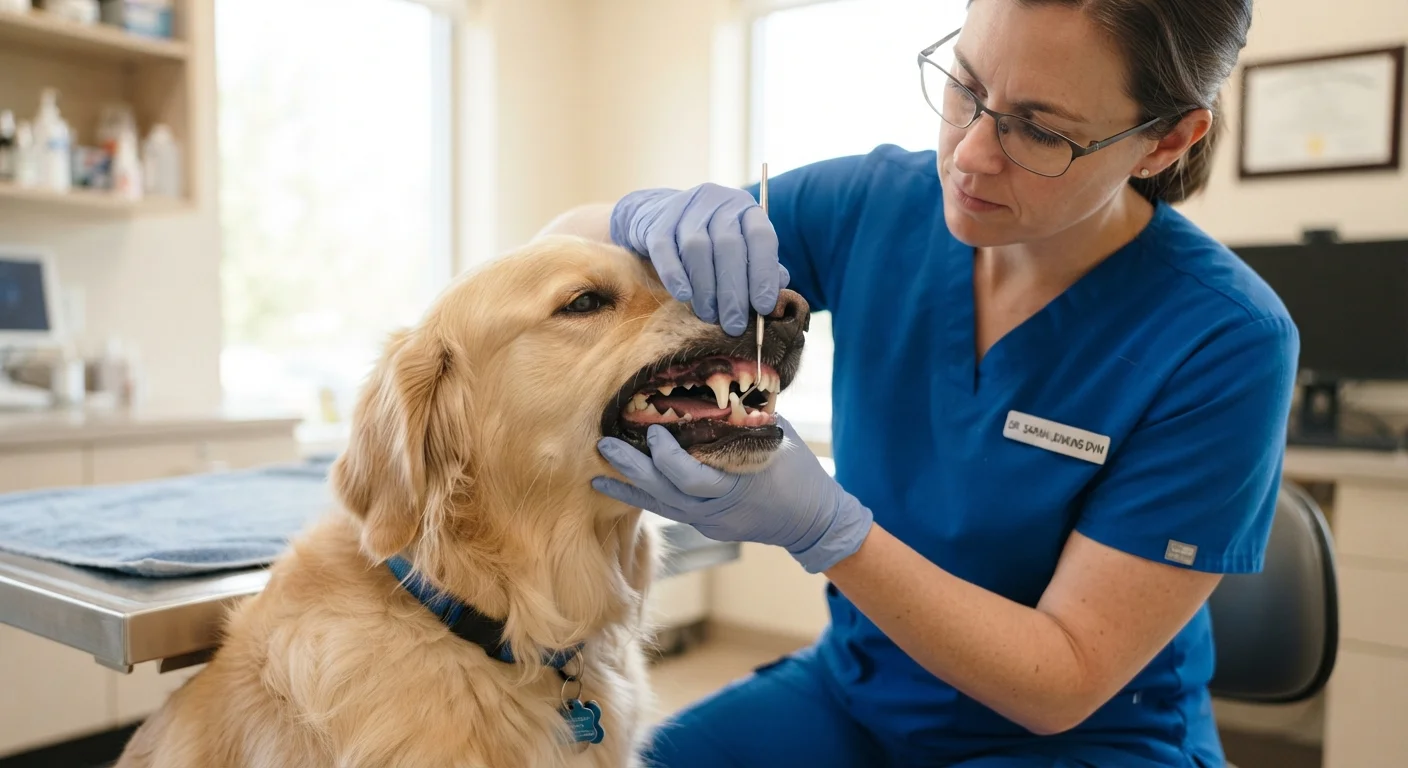
Photo: SaverSteals.com editorial
—— In This Article
Key Takeaways
- Most dogs and cats show signs of dental disease by age three, according to veterinary estimates.
- Dental disease progresses silently — pets often don't show visible pain until the condition is advanced.
- Plaque and tartar are the root causes, but the real damage happens below the gumline where owners can't see.
- At-home brushing is the most effective daily prevention, but professional cleanings remain essential.
- Untreated oral disease may affect the heart, kidneys, and liver through bacterial spread.
Why Dental Disease Flies Under the Radar
Ask most pet owners whether their dog or cat has dental problems, and many will say no — because their pet is eating, playing, and acting normally. But dental disease doesn't announce itself with dramatic symptoms, at least not in the early stages. Pets instinctively mask pain, and by the time an owner notices bad breath or a dropped food bowl, the disease has often been progressing for months or years.
Veterinary organizations estimate that the majority of dogs and cats show signs of dental disease by the time they reach age three. That figure surprises many pet owners, and it reflects a gap not in care quality, but in awareness. Dental health simply doesn't get the same attention as weight, vaccines, or coat condition — yet it's deeply connected to overall wellbeing.
This is one reason annual wellness exams matter so much. Vets routinely check the mouth as part of a full physical — catching early tartar, gum redness, or mobility in teeth that owners would never spot at home.
Pets Hide Pain — It's Instinctive
In the wild, showing vulnerability can be dangerous, and domestic pets retain this instinct. A dog or cat with significant dental pain may continue eating, playing, and behaving normally, making it easy for owners to assume all is well. This is why professional oral exams — not just home observation — are essential for catching dental disease early.
How Dental Disease Develops
It starts simply: bacteria in the mouth form a sticky film called plaque on tooth surfaces. If plaque isn't removed, it mineralizes into tartar — the hard, yellowish-brown buildup visible near the gumline. Tartar is not just cosmetic. It harbors bacteria that irritate gum tissue, causing gingivitis (inflammation of the gums). At this stage, the process is still reversible with professional cleaning.
Left untreated, gingivitis advances to periodontitis — infection that attacks the connective tissue and bone anchoring the tooth. This is where real damage occurs. Pockets form between tooth and gum, bone erodes, and teeth loosen. Pets at this stage are often experiencing significant discomfort, even if they continue eating.
The concern extends beyond the mouth. Oral bacteria can enter the bloodstream and reach the heart, kidneys, and liver — organs already under strain in older or immunocompromised animals. The link between oral and systemic health is a key reason vets emphasize prevention rather than waiting for visible symptoms.
~80%
Dogs showing dental disease signs by age 3
Veterinary dental organizations broadly estimate that the majority of dogs have some degree of periodontal disease by age three, making it one of the most prevalent health conditions in canines.
~70%
Cats affected by dental disease by age 3
Similar estimates apply to cats, with many adult felines developing gingivitis or early periodontal disease well before middle age, often without visible symptoms at home.
60%+
Tooth structure hidden below the gumline
Because a substantial portion of each tooth and its supporting structures lie beneath the gum, dental X-rays under anesthesia are considered essential for a complete oral health assessment.
What Pet Owners Can Do at Home
Daily tooth brushing remains the gold standard for at-home dental care. It's the single most effective way to disrupt plaque before it hardens. Using a pet-safe toothpaste — never human toothpaste, which contains ingredients harmful to animals — and a soft-bristled brush, most pets can be gradually introduced to brushing with patience and positive reinforcement.
If brushing isn't achievable right away, veterinary-approved dental chews, water additives, and dental diets can offer supplemental support. Look for products carrying the Veterinary Oral Health Council (VOHC) seal, which indicates the product has been evaluated against established standards for plaque or tartar reduction.
Start Brushing Slowly and Positively
If your pet has never had their teeth brushed, introduce the process gradually — starting with letting them sniff the toothbrush, then touching the teeth briefly, then short brushing sessions. Pair each step with praise or a small reward. Most pets become tolerant of brushing over a few weeks of consistent, gentle practice.
It's also worth reading up on common misconceptions about pet dental care, since many well-meaning habits — like relying solely on dental treats — don't provide the level of protection owners assume.
When Professional Care Becomes Necessary
At-home care lays the foundation, but it cannot replace professional dental cleanings. A veterinary dental procedure involves a full oral exam, scaling above and below the gumline, polishing, and dental X-rays — all performed under general anesthesia. X-rays are particularly important: up to 60% of tooth structure lies below the gumline, invisible to the naked eye.
If your vet identifies advanced disease, extractions may be recommended. This sounds alarming, but most pets recover quickly and often seem more comfortable and energetic afterward — a sign of how much chronic pain they were quietly carrying.
Senior pets deserve particular attention here. As covered in our guide on how health needs shift as dogs and cats age, older animals are more vulnerable to both dental disease progression and the systemic effects of chronic infections. Proactive oral care is a meaningful part of supporting a good quality of life in an aging pet.
This article is for general informational purposes only and is not a substitute for professional veterinary advice. Always consult your veterinarian about your pet's specific health needs.
Frequently Asked Questions

Pets Editorial Team
Pets Editorial Team is the collective byline for our editorial team and contributor network. Articles published under this byline or an editorial pen name are researched, written, and reviewed according to our editorial standards for clarity, consistency, and independence before publication.
View author profile