
Keeping Your Dog's Weight in a Healthy Range
Overweight dogs face real health risks, but weight management isn't just about feeding less. Understand body condition scoring and realistic approaches.
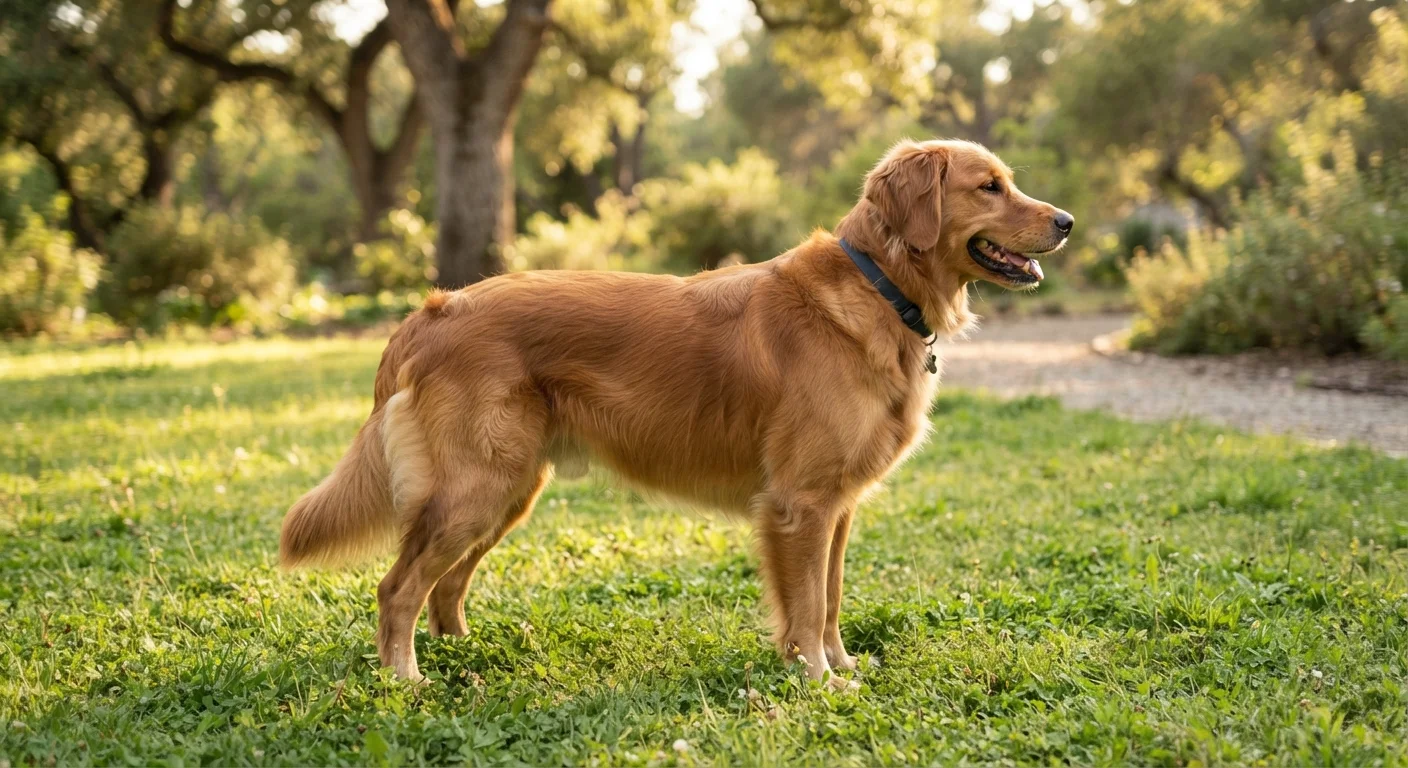
Photo: SaverSteals.com editorial
—— In This Article
Key Takeaways
- Excess weight significantly increases a dog's risk of joint disease, diabetes, and shortened lifespan.
- Body condition scoring — not the scale alone — is the most practical tool for assessing your dog's weight.
- Weight management requires a combination of appropriate feeding, measured portions, and regular activity.
- Always consult your veterinarian before changing your dog's diet or exercise routine.
Why a Healthy Weight Matters More Than You Might Think
Veterinary surveys consistently show that a significant proportion of dogs seen in clinical practice are overweight or obese. While a few extra pounds may seem harmless, the health consequences are well-documented. Excess body weight increases stress on joints, raising the risk of osteoarthritis and mobility problems — particularly in larger breeds. It is also associated with increased risk of type 2 diabetes, respiratory difficulties, heart disease, certain cancers, and a measurably shorter lifespan.
For aging dogs, these risks compound. If you have a senior dog or are beginning to notice changes in your dog's energy levels, our article on how aging pets' needs shift offers helpful context on adjusting care over time.
~56%
U.S. dogs classified as overweight or obese
According to Association for Pet Obesity Prevention survey data, more than half of dogs in the U.S. are above their ideal body weight.
2.5 years
Potential lifespan reduction from obesity
Research published in veterinary nutrition literature suggests that chronically obese dogs may live significantly shorter lives than dogs maintained at a healthy weight.
Understanding Body Condition Scoring
Weight management starts with honest assessment. The most useful tool isn't a bathroom scale — it's body condition scoring (BCS), the same standardized system veterinarians use. BCS evaluates three key indicators: rib coverage (how easily you can feel the ribs), waist definition when viewed from above, and abdominal tuck when viewed from the side.
Weight Needs Vary by Breed and Life Stage
An ideal weight for a Labrador Retriever looks nothing like the ideal for a Whippet or a Dachshund. Senior dogs also have different caloric needs than puppies or active adults. Your veterinarian is best positioned to set a healthy target weight specific to your dog's breed, age, and health status.
On a 9-point BCS scale, a score of 4–5 is considered ideal. A dog scoring 6–7 is overweight; 8–9 indicates obesity. Scores below 4 suggest the dog may be underweight. Practicing this assessment at home between vet visits helps you notice gradual changes before they become significant problems.
Practical Steps to Support Healthy Weight
Weight management isn't about deprivation — it's about consistency and accuracy. The following practices are grounded in veterinary guidance and are realistic for everyday pet owners to implement.
Learn to use body condition scoring to assess your dog's weight
A number on a scale doesn't account for muscle mass, breed differences, or frame size. Body condition scoring (BCS) — a 1–9 or 1–5 scale used by veterinarians — evaluates fat coverage over the ribs, waist definition, and abdominal tuck. It gives a far more accurate picture of whether your dog is underweight, ideal, or overweight.
Measure meals rather than free-feeding or eyeballing portions
Overfeeding is the leading cause of canine obesity, and it often happens gradually through slightly oversized portions. Using a proper measuring cup or a kitchen scale removes the guesswork and makes it far easier to identify when a dog's intake needs to be adjusted.
Account for treats and extras in your dog's daily calorie total
Treats, table scraps, and dental chews all contain calories that add up quickly. Many pet owners track meals but overlook these extras, which can make up a significant portion of daily intake without realising it.
Build consistent, appropriate exercise into your dog's daily routine
Physical activity burns calories, supports muscle maintenance, and improves mood and joint health. The right type and duration of exercise depends on breed, age, and current fitness level. Sudden increases in intensity can cause injury, so gradual progression matters.
Schedule regular veterinary weigh-ins and wellness checks
Weight gain is often gradual and easy to miss when you see your dog daily. A veterinary wellness visit provides an objective measure, a professional body condition assessment, and a chance to catch weight-related health changes early.
This article provides general information for educational purposes and is not a substitute for personalized veterinary advice. Always consult your veterinarian before making changes to your dog's diet or exercise routine.
Start Today: Quick Wins for Weight-Conscious Pet Owners
You don't need to overhaul everything at once. These straightforward actions can be taken immediately and build the foundation of a healthier routine for your dog.
“Obesity is one of the most preventable conditions we see in dogs, yet it's also one of the most common. Small, consistent changes in feeding habits and activity levels can make a measurable difference in a dog's health and quality of life.”
— American Veterinary Medical Association, Professional veterinary organization representing U.S. veterinarians
Consistent daily habits matter far more than occasional efforts. Weight that accumulates over months or years is most sustainably lost gradually — your veterinarian can help you set a realistic timeline and caloric target for your individual dog.

Pets Editorial Team
Pets Editorial Team is the collective byline for our editorial team and contributor network. Articles published under this byline or an editorial pen name are researched, written, and reviewed according to our editorial standards for clarity, consistency, and independence before publication.
View author profile