
Aging Pets: How Their Needs Shift and What That Means for Daily Life
Senior dogs and cats have different physical, cognitive, and social needs than younger animals. Here's how to adapt your care as they grow older.
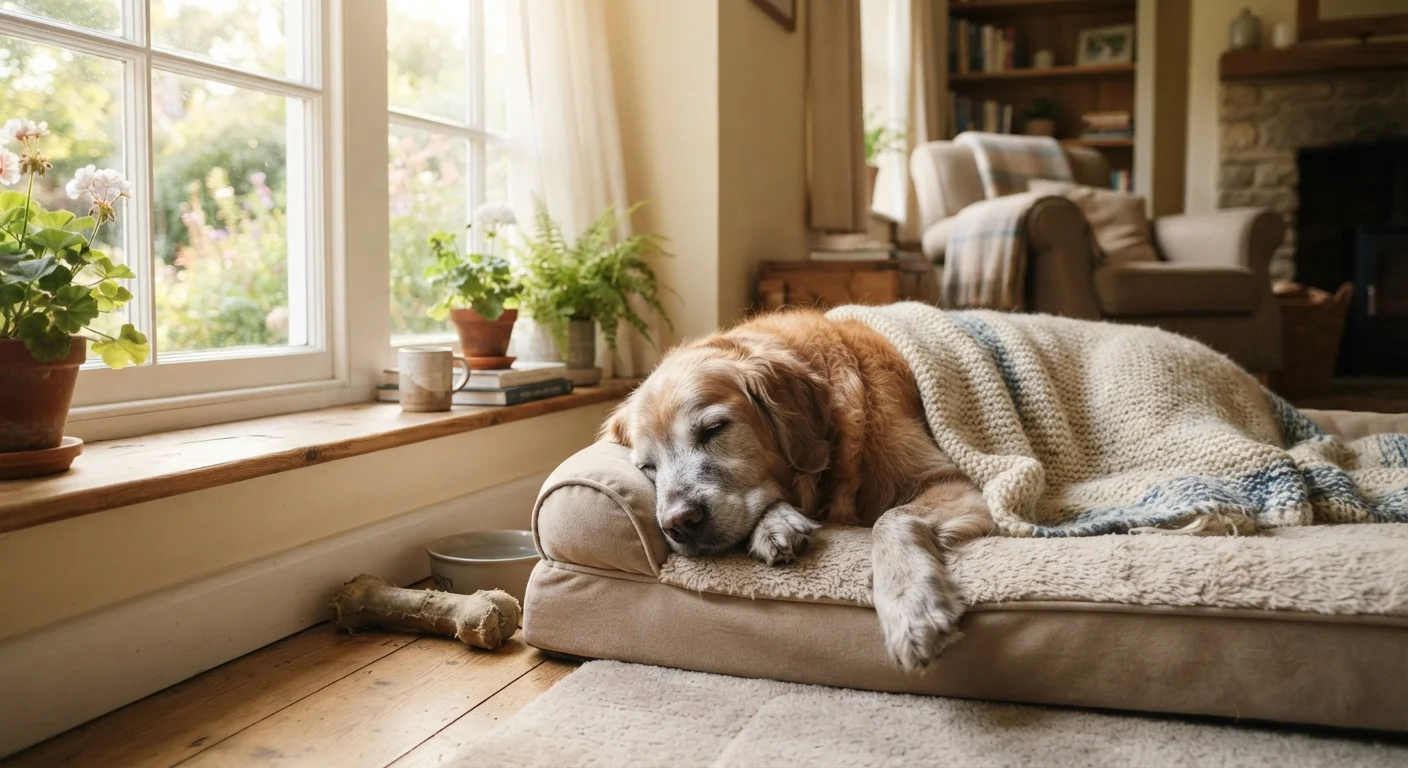
Photo: SaverSteals.com editorial
—— In This Article
Key Takeaways
- Dogs and cats are generally considered senior between ages 7 and 11, depending on species and size.
- Physical changes like joint stiffness, reduced hearing, and vision decline often appear gradually.
- Senior pets frequently need diet adjustments, modified exercise, and more frequent vet visits.
- Cognitive changes, including disorientation and disrupted sleep, are common and manageable.
- Small environmental modifications can significantly improve comfort and independence for aging pets.
- A veterinarian is your most important partner in tailoring care as your pet ages.
When Is a Pet Considered 'Senior'?
The word "senior" doesn't mean the same thing across all pets. For dogs, age thresholds depend heavily on size: large and giant breeds — think Great Danes or Saint Bernards — may be considered senior by age 6 or 7, while small breeds often don't reach that stage until 10 or 11. Cats generally enter their senior years around age 11, with many veterinary organizations categorizing cats aged 15 and older as "geriatric."
These distinctions matter because the timing of age-related changes varies, and so does the urgency of adjusting care. Understanding where your pet falls on that spectrum helps you prepare rather than react. For a deeper look at the health-specific changes that accompany aging, our complementary guide on how health needs shift as dogs and cats age covers the medical picture in detail.
Physical Changes to Watch For
Aging bodies — in pets just as in people — change in ways that are sometimes obvious and sometimes easy to overlook. Common physical signs in senior dogs and cats include:
- Joint stiffness or reduced mobility: Slower to rise, reluctant to climb stairs, or hesitant to jump onto furniture.
- Changes in coat and skin: Duller fur, increased shedding, or skin that becomes drier or more sensitive.
- Hearing and vision decline: Startling more easily, difficulty locating sounds, or bumping into objects in dim light.
- Weight fluctuations: Either gaining weight due to reduced activity or losing muscle mass, sometimes both simultaneously.
- Dental wear: Older pets often have more significant tartar buildup or gum disease, which can affect eating comfort.
When assessing mobility in an older dog, watch them first thing in the morning — that's when joint stiffness is typically most pronounced and most telling.
Morning stiffness is a classic indicator of osteoarthritis and other joint conditions in dogs. Early identification allows for earlier intervention, which can meaningfully improve quality of life.
For senior cats, pay close attention to water intake. A notable increase in drinking is one of the earliest and most reliable signs of kidney disease or hyperthyroidism — two of the most common conditions in older cats.
Both conditions are highly prevalent in senior cats and are most manageable when caught early. Tracking water consumption at home is a simple but powerful monitoring tool.
Not all of these changes signal disease — many are a normal part of aging. That said, any sudden or rapid change is worth a prompt veterinary conversation rather than a "wait and see" approach.
Adjusting Nutrition and Weight
Senior pets often need dietary changes, but those changes aren't one-size-fits-all. Some older dogs and cats benefit from lower-calorie formulas to prevent weight gain as metabolism slows; others — particularly those losing muscle mass — may need higher-protein support. Your veterinarian is the right person to guide that decision based on your pet's individual health profile.
What's broadly true is that body condition monitoring becomes more important in senior years. Weight changes in older pets can be subtle but meaningful — a few pounds on a 12-pound cat represents a much larger percentage of body mass than it might seem. Our guide on keeping your dog's weight in a healthy range explains body condition scoring and how to assess it at home.
Don't Assume Slowness Is 'Just Age'
Reduced energy, reluctance to move, or changes in appetite are often attributed to normal aging — but they can also signal pain, illness, or treatable conditions. When in doubt, a veterinary check-up is always the right call. Waiting can mean missing a window for effective intervention.
Supplements — including joint support formulas, omega fatty acids, and others — are widely marketed for senior pets. Always discuss any supplement with your vet before adding it to your pet's routine, as some can interact with medications or underlying conditions.
Cognitive and Behavioral Shifts
Cognitive changes in senior pets are increasingly recognized as common — and often underreported. Cats and dogs can develop a condition sometimes called Cognitive Dysfunction Syndrome (CDS), which shares features with dementia in humans. Signs can include:
- Disorientation or appearing confused in familiar spaces
- Disrupted sleep-wake cycles, including nighttime restlessness or vocalization
- Reduced interest in play or social interaction
- Changes in house-training habits that weren't previously an issue
- Increased anxiety or clinginess
These behaviors are sometimes mistakenly attributed to "just getting old," but many are manageable with veterinary support. Mental enrichment — puzzle feeders, gentle play sessions, and consistent daily routines — can help maintain cognitive engagement. Predictable structure is genuinely comforting for a pet whose world may feel a little less clear than it used to. See our advice on building a routine that works for both you and your pet for practical ideas that adapt well to senior animals.
~28%
Senior dogs affected by cognitive dysfunction
Research suggests that cognitive dysfunction syndrome affects roughly 28% of dogs aged 11–12, rising sharply with age.
50%+
Cats over 15 showing CDS signs
Some veterinary studies estimate more than half of cats aged 15 and older display at least one sign of cognitive dysfunction.
Adapting Your Home and Daily Routine
One of the most meaningful things you can do for an aging pet costs relatively little: modify their environment to reduce friction and discomfort. Some practical approaches include:
- Orthopedic or memory foam beds placed in low-traffic, easily accessible spots
- Ramps or steps near furniture or car seats for pets with joint discomfort
- Non-slip rugs or mats on hardwood or tile floors to prevent slipping
- Raised food and water bowls for pets with neck or shoulder stiffness
- Night lights to help pets with vision changes navigate familiar rooms
- Litter box modifications for cats — lower entry points can make a significant difference for arthritic cats
Our guide on pet-proofing your home without sacrificing your sense of style offers creative, home-friendly strategies that work just as well for senior pets as they do for rambunctious puppies.
Make Changes Gradually
When adjusting your senior pet's environment, introduce changes one at a time and monitor their response. Sudden rearrangements — even helpful ones — can be disorienting for pets with cognitive changes. Small, incremental improvements tend to be better tolerated and easier to evaluate.
Veterinary Care in the Senior Years
Most veterinary guidelines recommend moving senior pets to twice-yearly wellness exams rather than the annual schedule typical for younger animals. A lot can change in six months for an older pet, and earlier detection of conditions like kidney disease, hyperthyroidism (common in senior cats), diabetes, or arthritis generally means more options for management.
At these visits, your vet may suggest baseline bloodwork and urinalysis to monitor organ function — a common and valuable practice that helps catch changes before symptoms appear. Pain management, dental care, and mobility support are also frequent topics at senior wellness appointments.
If you have concerns between scheduled visits — a new limp, a sudden change in appetite or thirst, or unusual behavior — contact your veterinarian rather than waiting. Senior pets can decline more quickly than younger animals, and timely attention genuinely matters.
For context on how the broader landscape of pet care and training evolves across life stages, exploring resources organized by life phase can help you anticipate what's ahead rather than simply responding to it.
This article is intended for general informational purposes only and does not constitute veterinary advice. Always consult a licensed veterinarian for guidance specific to your pet's health and individual needs.

Pets Editorial Team
Pets Editorial Team is the collective byline for our editorial team and contributor network. Articles published under this byline or an editorial pen name are researched, written, and reviewed according to our editorial standards for clarity, consistency, and independence before publication.
View author profile