
Employer-Sponsored vs. Individual Health Insurance: Key Structural Differences
Group and individual health plans share the same vocabulary but operate differently. Here's how their structures and costs compare.
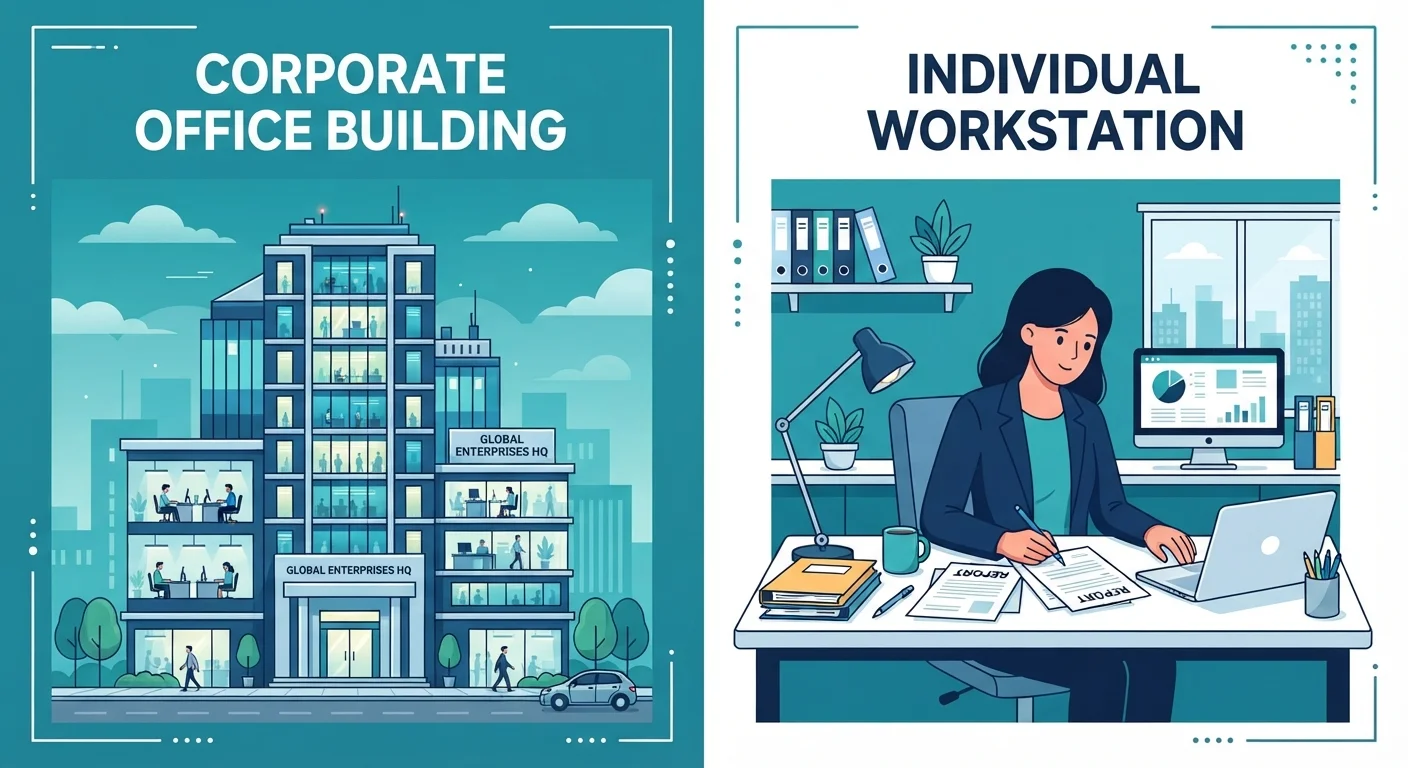
Photo: SaverSteals.com editorial
—— In This Article
Key Takeaways
- Employer-sponsored plans pool risk across a workforce, typically lowering per-person premium costs compared to individual coverage.
- Individual plans purchased through the ACA Marketplace may qualify for income-based subsidies unavailable through employer plans.
- Both plan types use the same cost-sharing terms — deductibles, copays, coinsurance — but the underlying numbers often differ substantially.
- Employer plans limit your choices to what the company offers; individual plans let you select network type, metal tier, and insurer.
- Losing job-based coverage qualifies as a Special Enrollment Period, letting you enroll in an individual plan outside of open enrollment.
How Each Type of Coverage Is Structured
At their core, both employer-sponsored and individual health plans pay for a defined set of medical benefits in exchange for a monthly premium and cost-sharing when care is used. The structural difference lies in who buys the coverage, who sets the terms, and how risk is spread.
Employer-sponsored plans (also called group health plans) are purchased by an employer on behalf of its workforce. The employer negotiates plan terms with an insurer, selects which plan options to offer, and pays a portion of the premium — often a substantial portion. Employees choose from a limited menu of options during open enrollment and pay their share of the premium via pre-tax payroll deductions, which reduces taxable income.
Individual health plans are purchased directly by a consumer — either through the ACA Health Insurance Marketplace or outside of it. The buyer selects from available plans in their geographic area, chooses a network type and metal tier, and pays the full premium themselves (though subsidies can offset this). There is no employer contribution.
Understanding the terminology common to both is essential before comparing them. Our health insurance glossary covers the vocabulary you'll encounter on plan documents from either source.
Premium Costs and Employer Contributions
Premium cost is the most visible financial difference between the two structures. In a group plan, the employer typically pays a fixed percentage of the premium — federal law requires large employers to contribute meaningfully to employee-only coverage under the ACA's employer mandate. This cost-sharing is a direct financial benefit that does not appear on your paycheck as income.
~83%
Large employers offering health benefits
According to KFF's Employer Health Benefits Survey, the vast majority of firms with 200 or more workers offer health coverage to employees.
~73%
Average employer share of employee-only premium
KFF data indicates employers covered roughly 73% of single-coverage premiums on average in recent survey years.
In the individual market, no such subsidy from an employer exists. However, households with income between 100% and 400% of the federal poverty level — and in some cases above that threshold — may qualify for premium tax credits through the ACA Marketplace, which reduce monthly costs. These credits are not available if you have access to affordable employer coverage that meets minimum value standards.
Pre-tax treatment also differs. Employee premium contributions under a group plan are typically deducted before federal income and payroll taxes are calculated. Individual plan premiums paid out of pocket are generally not pre-tax unless you are self-employed and meet IRS criteria. This difference affects your true out-of-pocket cost even if the stated premium amounts are similar.
Plan Choice, Network Design, and Flexibility
Employer plans trade breadth of choice for administrative simplicity. Your employer has already selected the insurer and plan designs — you pick among what's offered, which may be one plan or several. Network type (HMO, PPO, HDHP) is determined by your employer's offerings, not your personal preference. For a deeper look at how network design affects your costs and care, see our comparison of HMO vs. PPO structures.
| Employer-Sponsored Plan | Individual Plan | |
|---|---|---|
| Who purchases coverage | Employer on behalf of workforce | Individual consumer directly |
| Premium contribution | Employer pays a share; employee pays remainder | Consumer pays full premium (subsidies may apply) |
| Plan selection | Limited to employer's offered options | Choose from all available plans in your area |
| Tax treatment of premiums | Employee share deducted pre-tax via payroll | Generally post-tax (self-employed may deduct) |
| ACA subsidy eligibility | Not eligible if employer offer meets ACA standards | Eligible based on income and household size |
| Enrollment timing | Annual open enrollment set by employer | ACA Marketplace open enrollment each fall |
| Network flexibility | Determined by employer's chosen plan types | Buyer selects HMO, PPO, or other structure |
Individual plans offer a wider menu. On the ACA Marketplace, you can compare plans from multiple insurers, evaluate different network structures, and select a metal tier that matches your expected healthcare use and budget. This flexibility is valuable if your healthcare needs are specific — but it requires more research and decision-making effort.
One structural consideration often overlooked: in-network vs. out-of-network rules apply equally to both plan types. Always verify that your preferred providers participate in a plan's network before enrolling, regardless of whether the plan comes from your employer or the Marketplace.
Enrollment Windows and Qualifying Life Events
Both plan types restrict when you can enroll or make changes. Employer plans typically hold annual open enrollment in the fall, with coverage starting January 1 or on a plan-year basis. Individual Marketplace plans have a federally defined open enrollment window each fall as well.
Outside those windows, changes require a qualifying life event — such as losing job-based coverage, getting married, or having a child. Losing employer coverage is itself a qualifying event that opens a Special Enrollment Period for Marketplace plans, giving you a defined window to obtain individual coverage. Our article on open enrollment vs. special enrollment explains the full rules and timelines.
Check Affordability Before Declining Employer Coverage
If your employer offers coverage, the ACA considers it 'affordable' if the employee-only premium costs no more than a set percentage of your household income (adjusted annually by the IRS). If the offer meets this threshold, you generally won't qualify for Marketplace premium tax credits — even if adding a spouse or dependents would be costly. Review the affordability calculation before assuming individual coverage will be cheaper.
If you are evaluating plans during an upcoming open enrollment period, a structured comparison process helps. See our guide to comparing health plans during open enrollment for a systematic approach to evaluating cost-sharing, networks, and drug formularies side by side.
This article is for general informational purposes only and does not constitute personalized insurance, financial, or legal advice. Coverage terms, eligibility, and costs vary by employer, insurer, state, and individual circumstances. Consult a licensed insurance professional or benefits administrator for guidance specific to your situation.

Insurance Editorial Team
Insurance Editorial Team is the collective byline for our editorial team and contributor network. Articles published under this byline or an editorial pen name are researched, written, and reviewed according to our editorial standards for clarity, consistency, and independence before publication.
View author profile