
HMO vs. PPO: Choosing the Network Structure That Fits Your Healthcare Habits
HMOs and PPOs work very differently. Understand their trade-offs in cost, provider choice, and referrals before picking a plan.
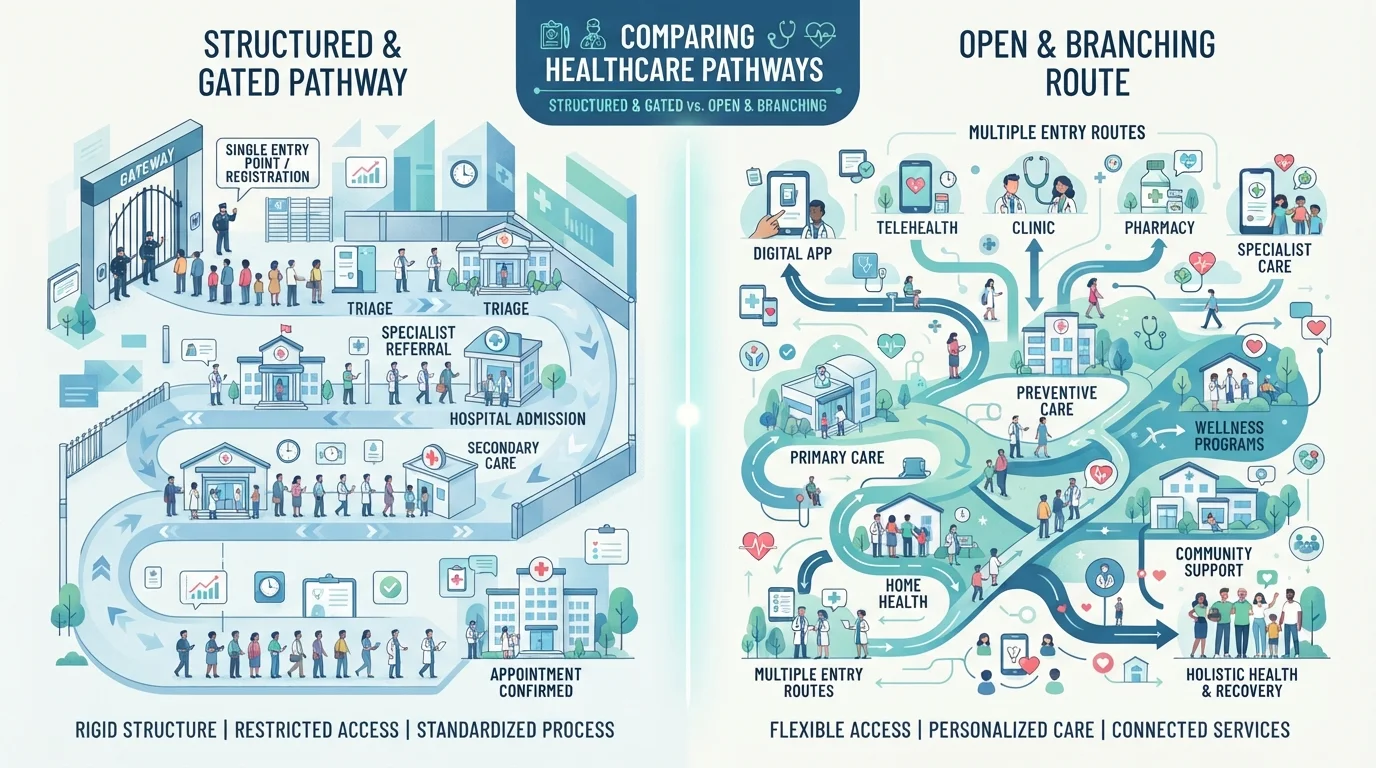
Photo: SaverSteals.com editorial
—— In This Article
Key Takeaways
- HMOs typically carry lower premiums but require you to stay in-network and get referrals for specialist care.
- PPOs allow direct specialist access and out-of-network visits, but at noticeably higher cost.
- Your primary care relationship and how often you need specialist or out-of-area care should drive your choice.
- Neither plan type guarantees coverage outcomes — always verify with your insurer and read the policy documents.
- Network size varies significantly by insurer and region, so check which local providers participate before enrolling.
What Sets These Two Network Structures Apart
When you compare health insurance plans — whether through an employer or the individual marketplace — two plan types appear most often: HMOs and PPOs. Both provide health coverage, but they operate on different rules about which providers you can see, how you access specialist care, and how costs are structured. Understanding those rules is what allows you to match a plan type to how you actually use healthcare.
An HMO builds coverage around a defined network of doctors, hospitals, and facilities that have contracted with the insurer. As an HMO member, you select a primary care physician (PCP) who acts as your first point of contact for nearly all care. If you need to see a specialist — a cardiologist, dermatologist, or orthopedist, for example — your PCP typically issues a referral first. Care received outside the HMO network is generally not covered at all, except in genuine emergencies.
A PPO works differently. You can see any licensed provider without a referral, including specialists. The insurer negotiates discounted rates with a preferred network of providers, and you pay less when you stay within that network. But unlike an HMO, a PPO will still pay a portion of costs if you go out of network — you simply pay more out of pocket for that choice. This flexibility is the defining feature of the PPO structure.
For a closer look at how network designations affect your actual bill, see how in-network vs. out-of-network billing works.
| Criterion | HMO | PPO |
|---|---|---|
| Monthly premiums | Generally lower | Generally higher |
| Requires primary care physician | Yes, typically required | No requirement |
| Specialist referrals needed | Usually required | No referral needed |
| Out-of-network coverage | Emergency only | Yes, at higher cost-share |
| Network size | More restricted | Typically broader |
| Care coordination | Centralized via PCP | Self-directed |
| Paperwork / claims | Generally less | More when out-of-network |
Cost Differences: Premiums, Referrals, and Out-of-Pocket Exposure
The cost gap between HMOs and PPOs is real, and it runs in both directions. HMOs tend to carry lower monthly premiums and lower out-of-pocket costs when you stay in-network. The trade-off is that straying outside that network — outside of emergency situations — means paying the full bill yourself. That constraint is how insurers keep HMO premiums competitive.
PPO premiums are generally higher, and you'll often face a higher deductible for out-of-network care. However, if you have providers you rely on who fall outside a typical HMO network, or if you need care while traveling, the PPO's out-of-network benefit has real financial value. The question is whether you'll use that flexibility enough to justify the added monthly cost.
~47%
PPO enrollment among covered workers
According to KFF's annual Employer Health Benefits Survey, PPOs have consistently been the most common plan type among employer-covered workers in the United States.
~13%
HMO enrollment among covered workers
KFF survey data shows HMO enrollment among employer-covered workers has remained a smaller but stable share of the market in recent years.
One cost factor people often overlook is the referral requirement. While most referrals are routine, they add a step — and sometimes a time lag — to accessing specialist care. Some HMO plans now offer open-access variations that reduce referral friction, so it's worth reviewing what a specific plan requires before assuming the worst. PPOs eliminate this friction entirely.
If you're evaluating an HMO alongside a high-deductible plan, the HDHP and HSA structure offers a third cost model worth understanding before you decide.
Which Structure Fits Your Healthcare Habits
The right plan type depends heavily on how you use healthcare, not just how much you want to spend. Consider these practical scenarios:
- You rarely see a doctor beyond annual checkups: An HMO's lower premiums and in-network preventive care focus may be a natural fit.
- You have an established specialist you don't want to leave: Check whether that provider participates in the HMO network. If not, a PPO preserves that relationship at a cost-sharing level rather than full price.
- You live or work in a rural area with fewer providers: HMO networks can be thinner in less-populated regions. Verify network coverage before enrolling — a narrow network with few participating local providers can limit access in ways that matter day-to-day.
- You're managing a complex or ongoing condition: PPOs give you more direct control over which specialists you consult and allow you to seek second opinions without routing through a gatekeeper.
It's also worth thinking about how your plan type interacts with your enrollment situation. If you receive coverage through an employer, the available plan types may be limited to what your employer offers. Employer-sponsored and individual plans share the same HMO and PPO labels but can differ in network depth and premium contribution structures.
When it's time to formally compare plans, a structured approach to open enrollment helps you evaluate more than just the plan type label. See how to compare health plans during open enrollment for a practical framework covering networks, formularies, and total annual cost exposure.
Plan Type Labels Don't Tell the Whole Story
Two HMOs or two PPOs from different insurers can vary widely in network size, referral processes, and cost-sharing details. The plan type is a starting framework, not a guarantee of what you'll experience. Before enrolling, use the insurer's provider directory to confirm your doctors participate, and review the Summary of Benefits and Coverage (SBC) document for specifics on deductibles, copays, and out-of-pocket maximums.
This article is for general informational purposes only and does not constitute personalized insurance, financial, or medical advice. Coverage terms, network availability, premiums, and plan rules vary by insurer, plan, and state. Always review the actual plan documents and consult a licensed insurance professional before making enrollment decisions.

Insurance Editorial Team
Insurance Editorial Team is the collective byline for our editorial team and contributor network. Articles published under this byline or an editorial pen name are researched, written, and reviewed according to our editorial standards for clarity, consistency, and independence before publication.
View author profile