
In-Network vs. Out-of-Network Care: Why the Distinction Changes Your Bill
Going out of network can cost far more than expected. Understand how networks are defined, billed, and why providers sometimes switch.
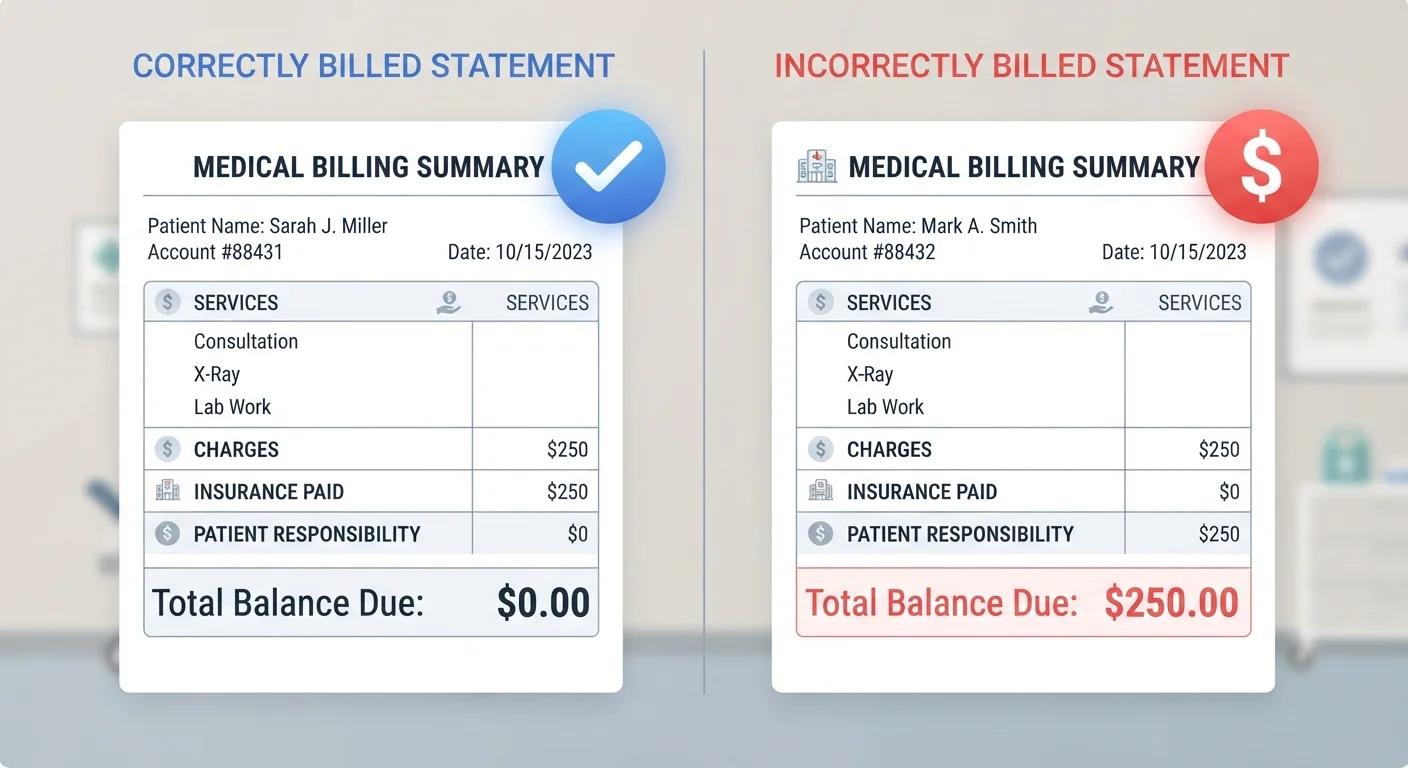
Photo: SaverSteals.com editorial
—— In This Article
Key Takeaways
- In-network providers have contracted rates with your insurer, making your share of costs substantially lower.
- Out-of-network care can leave you responsible for the difference between billed charges and what your insurer pays.
- Some plan types, like HMOs, may pay nothing for out-of-network care except in emergencies.
- Providers can leave a network mid-year, potentially turning covered care into a costly surprise.
- Always verify a provider's network status directly with your insurer before a scheduled appointment.
- Federal surprise billing protections now limit certain unexpected out-of-network charges in emergency settings.
What 'Network' Actually Means in Health Insurance
A provider network is a group of doctors, hospitals, labs, and other healthcare providers that have signed a contract with a specific health insurer. That contract sets negotiated rates — predetermined prices for services that are lower than what the provider would typically bill. When you use an in-network provider, your insurer pays its share based on these negotiated rates, and you pay your portion (copay, coinsurance, or deductible) based on the same discounted amount.
Out-of-network providers have no such agreement with your insurer. They can bill at their full, undiscounted rates. Your insurer may pay a portion — or nothing at all, depending on your plan type — and you may be billed for whatever remains. That gap is called balance billing, and it can be substantial.
Understanding how these networks function is foundational to reading your Explanation of Benefits (EOB) and anticipating your real costs. For a deeper look at how cost-sharing components work alongside network status, see how deductibles, copays, and coinsurance interact.
| Criterion | In-Network Care | Out-of-Network Care |
|---|---|---|
| Provider contract | Negotiated rate agreement in place | No agreement; full billed rates apply |
| Your cost-sharing | Lower copays, deductibles, coinsurance | Higher deductibles and coinsurance rates |
| Balance billing risk | Not permitted under contract | Possible unless covered by surprise billing law |
| Counts toward out-of-pocket max | Yes, in most plans | Often a separate, higher out-of-pocket max |
| HMO coverage | Fully covered (subject to cost-sharing) | Not covered except emergencies |
| PPO coverage | Covered at preferred benefit level | Covered at reduced benefit level |
| Provider stability | Status can change; verify before visits | No network relationship to lose |
How Plan Type Determines Out-of-Network Exposure
Not all plans treat out-of-network care the same way. Your plan structure is one of the biggest factors in how much exposure you carry.
- HMO (Health Maintenance Organization): Typically pays nothing for out-of-network care, except in a medical emergency. Staying in-network is not optional — it is required for coverage.
- PPO (Preferred Provider Organization): Covers both in-network and out-of-network care, but at different benefit levels. Out-of-network deductibles and coinsurance are usually significantly higher.
- EPO (Exclusive Provider Organization): Similar to an HMO in that out-of-network care is generally not covered, but without a referral requirement for specialists.
- POS (Point of Service): A hybrid that allows out-of-network use with a referral, though at higher cost-sharing.
Choosing a plan with a larger network can reduce the likelihood you'll encounter out-of-network situations. Comparing HMO and PPO network structures can help you weigh these trade-offs before enrollment.
~$2,000+
Typical out-of-network deductible premium over in-network
PPO plans commonly set out-of-network deductibles hundreds to thousands of dollars higher than in-network thresholds, according to KFF health benefits surveys.
1 in 5
Emergency visits involving an out-of-network charge
Research published in JAMA found roughly one in five emergency visits resulted in at least one out-of-network charge before federal surprise billing rules took effect.
57%
Insured adults unaware of network status before care
A Kaiser Family Foundation survey found the majority of insured adults did not check whether their provider was in-network before receiving care.
Why Your Provider's Network Status Can Change
One of the most misunderstood aspects of provider networks is that they are not permanent. Contracts between insurers and providers are renegotiated periodically, and a doctor or hospital that was in-network when you enrolled may leave the network during your plan year.
This creates a common and frustrating scenario: a patient begins a course of treatment with an in-network provider, only to find mid-treatment that the provider has gone out of network. Some plans include continuity of care provisions that allow members to continue seeing a recently out-of-network provider at in-network rates for a transitional period, particularly for ongoing conditions — but these protections vary by plan and state.
When Providers Leave Networks Mid-Treatment
If your provider leaves your insurer's network while you are undergoing active treatment, ask your insurer immediately about continuity of care protections. Some states require insurers to honor in-network rates for a transition period — often 90 days — for ongoing courses of treatment. Requirements vary significantly by state and plan type, so confirm the specific terms in your plan documents.
The practical takeaway: verify network status directly with your insurer — not just the provider's office — before every scheduled appointment, especially for specialist visits or planned procedures. Insurer provider directories are updated more frequently than printed materials and should be your primary reference.
Also be aware that even within a hospital, individual physicians may have separate network contracts. A facility can be in-network while an anesthesiologist or radiologist working there is not — a situation federal surprise billing rules now address in certain contexts.
Federal Surprise Billing Protections: What They Cover
The No Surprises Act, which took effect in January 2022, provides meaningful protections against unexpected out-of-network charges in specific circumstances. Under this federal law:
- Emergency services at out-of-network facilities must be billed at in-network cost-sharing rates.
- Non-emergency services at in-network facilities from out-of-network providers require advance notice and written consent before higher charges can apply.
- Air ambulance services from out-of-network providers are subject to similar protections.
These rules do not eliminate all out-of-network costs. They apply to specific scenarios and do not cover ground ambulance services or situations where you voluntarily choose an out-of-network provider for non-emergency care without the required disclosures. Understanding what these protections cover — and where they stop — helps you know when to dispute a bill and when a higher charge may be legitimate.
For context on how out-of-pocket costs fit into your overall health plan budget, understanding total plan costs beyond your premium is a useful companion read.
This article provides general information about health insurance concepts and is not personalized insurance, financial, or legal advice. Coverage terms, network rules, and regulations vary by plan and state. Always review your plan documents and consult a licensed insurance professional for guidance specific to your situation.

Insurance Editorial Team
Insurance Editorial Team is the collective byline for our editorial team and contributor network. Articles published under this byline or an editorial pen name are researched, written, and reviewed according to our editorial standards for clarity, consistency, and independence before publication.
View author profile